![Top 10+ Easiest Cell Phone for Seniors to Use [Latest Guide]](https://sengov.com/articles/tagmobile/2025/11/easiest-cell-phone-for-seniors-to-use.jpg)

On This Page
Many seniors find modern phones hard to use. The easiest cell phone for seniors to use should have big buttons, a loud sound, and a clear screen. A simple phone helps seniors call family, book doctor visits, and stay safe every day.
In this guide, you will see the phones that seniors trust most and learn how to get one for free or at a low cost through the Lifeline program. Keep reading to find the perfect phone that fits your lifestyle and comfort.
1. Why Seniors Should Use The Easiest Cell Phone?
The easiest cell phone for seniors to use focuses on comfort and clarity, not extra features. Seniors need phones that are simple to handle, easy to read, and loud enough to hear clearly. A good design helps them call family, text friends, and stay connected without confusion.
Key features of the easiest cell phone include:
- Large buttons and bright screens make numbers and texts easy to see.
- Simple menus or “Easy Mode” for quick navigation.
- Loud speakers and hearing-aid compatibility for clearer sound.
- Emergency or SOS buttons for fast access to help.
- Long battery life and a lightweight design for daily convenience.
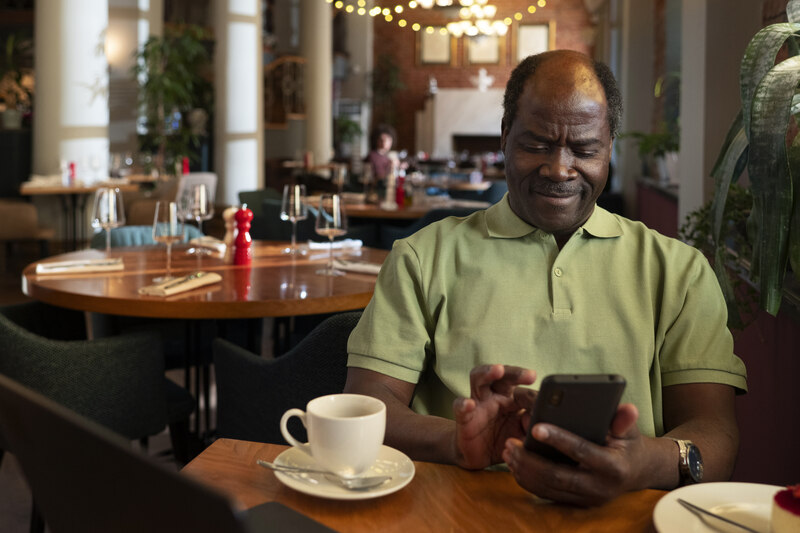
**The easiest cell phone for seniors to use helps them call family, text friends, and stay connected without confusion (Image by Freepik) **
2. Which Is Easier for Seniors: iPhone or Android?
Choosing the easiest cell phone for seniors to use often comes down to two options: iPhone or Android. Both offer simple controls, clear displays, and useful accessibility tools. The right choice depends on what you value most: comfort, price, or flexibility.
2.1. iPhone
The iPhone is known for its clean and simple layout. Seniors often like it because it looks and works the same across all models.
Key advantages include:
- Intuitive interface with large icons and easy touch response.
- Voice control (Siri) to make calls or send messages hands-free.
- Accessibility tools like magnifier, screen reader, and text size adjustments.
- Regular updates and customer support that keep the device secure and running smoothly.
The iPhone suits seniors who want a stable phone that works the same way every time.
2.2. Android
Android phones give seniors more choices at lower prices. You can find simple models or advanced smartphones that still feel easy to use.
Key benefits include:
- Wide price range and many brands like Samsung, Nokia, and Motorola.
- Customizable “Easy Mode” for large icons and simpler layouts.
- Larger screens for clearer reading and better visibility.
- Expandable storage and replaceable batteries on many models.
Android works well for seniors who want value, bigger screens, and freedom to adjust their phone settings.
2.3. Which Should You Choose?
Both iPhone and Android are good choices for seniors. The iPhone offers simplicity and consistency, while Android provides flexibility and affordability.** If possible, seniors should try both in person**. Hold each phone, open the menus, and see which one feels easier for you to use. The best phone is the one that fits your comfort and budget.
3. Easiest Cell Phone for Seniors to Use: Top 10+ Options in 2025
The Lifeline program is a federal program managed by the Federal Communications Commission (FCC). It helps low-income individuals and seniors access affordable phone and internet service.
The models below are among the easiest phones for seniors to use, and many are available for free or at heavily discounted prices:
**Note: Prices and availability may vary by region, stock, promotion and time of application.
3.1. GO FLIP 2
The GO FLIP 2 is a classic choice for seniors who prefer simple phones.
- Large tactile buttons make dialing easy.
- Bright display for clear visibility.
- Loud speaker for better call clarity.
- The dedicated emergency button connects to urgent help fast.
This model is best for seniors who mainly use their phone for calls and texts.
3.2. iPhone Series (SE – 15 Pro Max)
Apple iPhones remain some of the most user-friendly smartphones for seniors. They are simple, consistent, and easy to navigate.
| Model | Screen Size | Typical Lifeline Price (Up to 50% Off Retail) |
|---|---|---|
| iPhone SE (3rd Gen) | 4.7″ | $0-$9.99 |
| iPhone 11 Pro Max | 6.5″ | $99.99 |
| iPhone 12 Pro Max | 6.7″ | $145.99 |
| iPhone 13 Pro Max | 6.7″ | $249.99 |
| iPhone 14 Pro Max | 6.7″ | $239.99 |
| iPhone 15 | 6.1″ | $370.00 |
| iPhone 15 Plus | 6.7″ | $454.99 |
3.3. Samsung Galaxy Series
Android phones like the Samsung Galaxy line are perfect for seniors who want flexibility, affordability, and large displays. Most models offer Easy Mode, which simplifies the layout for better readability.
| Model | Screen Size | Features | Typical Lifeline Price (Up to 70% Off Retail) |
|---|---|---|---|
| Galaxy A42 5G | 6.6″ | Clear display, balanced use | FREE |
| Galaxy A14 5G | 6.6″ | Easy Mode, long battery | $59–$99 |
| Galaxy S22 5G | 6.1″ | High performance, vivid display | $300-$370 |
| Galaxy A71 5G | 6.7″ | Large screen, strong camera | $70-$90 |
| Galaxy A32 5G | 6.5″ | Big icons, solid battery life | $4.99 |
*»> Also read: *Lifeline Free Tablet: How Low-income People Get A Device At No Cost
- Fast approval: Most applications are verified in about 30 minutes.
- Free shipping: Phones are delivered within 7–10 business days.
- Free talk and text: Stay in touch with family and friends every day.
- International calls: Call more than 200 countries without extra fees.
- Up to 16 GB of high-speed data
- Free SIM or eSIM with a new plan or BYOD option
- Enhanced Tribal benefits
5. FAQs
Q2. Which is the simplest smartphone?
The iPhone SE and Samsung Galaxy A14 5G are among the simplest smartphones for seniors. Both have clean menus, clear icons, and accessibility settings that improve visibility and sound. Seniors can also turn on “Easy Mode” on Samsung phones or adjust text size and voice control on iPhones for a smoother experience.