
On This Page
Florida households using SNAP benefits often rely on regular balance checks and deposit updates to better manage grocery spending throughout the month. This guide covers important information about EBT Florida, including reload schedules, account access methods, card security tips, and support options for recipients.
1. What Is EBT Florida?
EBT Florida is the statewide electronic benefits system used to deliver SNAP food assistance and certain cash benefits to eligible residents. Monthly benefits are added to the ACCESS Florida EBT card, which can be used like a regular debit card at participating grocery stores, retailers, and approved ATMs.
The system helps recipients access benefits more securely and conveniently while reducing the need for paper-based assistance methods. Cardholders can also use their account to monitor balances, review purchases, and manage benefit activity throughout the month.
2. What Can Florida EBT Benefits Be Used For?
Florida assistance programs provide two main forms of support through the EBT card system: food assistance and cash assistance. Each program serves a different purpose and allows recipients to cover specific types of household expenses.
SNAP (Food Assistance)
SNAP benefits are intended to help households purchase groceries and food items prepared at home. Florida recipients can use their EBT card at approved grocery stores, farmers’ markets, and participating retailers that accept SNAP payments.
Eligible SNAP purchases commonly include:
- Fresh, frozen, or canned fruits and vegetables
- Meat, poultry, seafood, and dairy products
- Bread, rice, cereal, and pantry staples
- Flour, sugar, baking mixes, and cooking ingredients
- Seeds and plants that grow food at home
- Milk, bottled water, sports drinks, and 100% fruit juice
Beginning in 2026 (20th April), Florida introduced additional Healthy SNAP restrictions that limit the use of SNAP benefits for certain products such as soda, candy, energy drinks, and some highly processed desserts. These updates are intended to encourage healthier grocery purchasing choices among SNAP recipients.
Cash Assistance (TANF)
Cash assistance benefits provide more flexible spending options for qualifying low-income households. Funds can usually be withdrawn from ATMs or used at approved point-of-sale terminals, similarly to a standard debit card.
Cash assistance may commonly be used for:
- Rent, housing payments, and utility bills
- Transportation expenses such as gasoline or bus fares
- Personal hygiene and household products
- Clothing, shoes, and school supplies
- Other important everyday living expenses depend on household needs
3. How to Apply for EBT in Florida?
Applying for food assistance in Florida is usually a straightforward process when applicants prepare the required documents in advance. Understanding each step can help households avoid delays and complete the application process more smoothly.
Step 1: Gather Required Information
Before starting the application, applicants should prepare important personal and financial documents that help confirm household eligibility. Having this information ready can make the process faster and reduce delays during review.
Commonly requested documents may include:
- Proof of identity, such as a driver’s license, U.S. passport, or birth certificate
- Social Security numbers and birth dates for all household members
- Income verification, including pay stubs, tax documents, or benefit letters
- Housing and expense records, such as rent statements, utility bills, or childcare costs
Step 2: Submit Your Application
Florida residents can apply for EBT benefits online, in person, or through paper application methods, depending on personal preference and accessibility needs. Online applications are often the fastest option because supporting documents can be uploaded directly through the system.
Application methods may include:
- Online through the MyACCESS Portal
- In person at a DCF Community Partner or Family Resource Center
- By mail or fax using printed Economic Self-Sufficiency forms
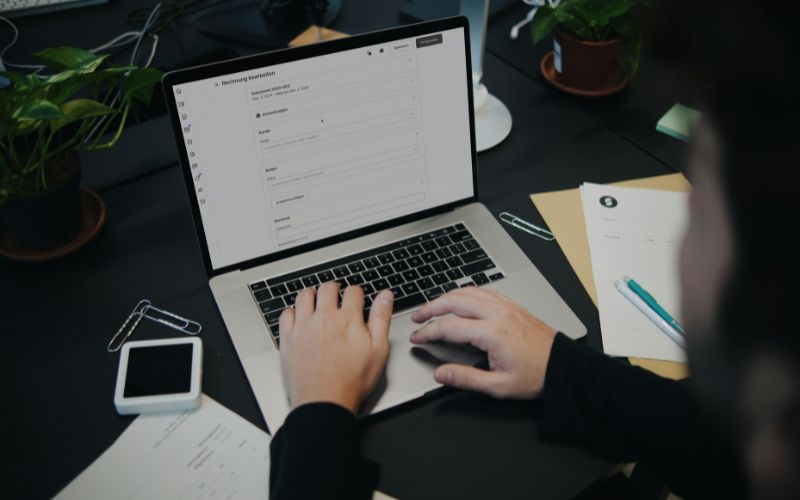
Florida residents can apply for EBT benefits online, in person, or through paper application methods (Image by Unsplash)
Step 3: Complete an Interview
After the application is submitted, a DCF eligibility worker will usually contact the applicant to schedule an interview. In many cases, this interview takes place over the phone and helps verify household information, income details, and eligibility requirements.
Most interviews typically last between 30 and 60 minutes, depending on the complexity of the application and the number of household members included in the case.
Step 4: Receive Your EBT Card
Applicants approved for benefits will receive a Florida EBT card by mail after the review process is completed. The card usually arrives within 5 to 7 business days and can then be activated for grocery purchases and approved benefit transactions.
4. How to Check EBT Balance Florida?
Regular balance updates can help households manage grocery spending more carefully throughout the month. Florida recipients can review account activity through several quick and secure methods, depending on personal preference.
By Phone
Calling the customer service number on the back of the Florida EBT card is one of the easiest ways to review available benefits without internet access. Recipients can call 1-888-356-3281, follow the automated instructions, and enter their 16-digit card number to hear current balance details, recent deposits, and basic account information securely through the phone system.
Mobile App
Mobile apps such as ebtEDGE and ConnectEBT allow recipients to manage EBT accounts directly from a smartphone or tablet. Users can securely review balances, monitor deposits, track transactions, and access account activity anytime during the day. These apps are especially useful for households that want quick access to account information while shopping or managing monthly grocery budgets.
Online
Florida recipients can also log in to the ebtEDGE Cardholder Portal using a computer, tablet, or smartphone with internet access. The online system allows users to review current balances, monitor deposits, and access up to six months of transaction history. Online account access can help households monitor spending more carefully and track recent grocery purchases more conveniently.
At the Store
Many grocery stores automatically print the remaining EBT balance near the bottom of the receipt after a transaction is completed. Recipients may also review balances at approved ATMs or point-of-sale machines by inserting the EBT card and entering their PIN. This option provides a quick way to review available funds while shopping in person.
5. Extra Benefits To Claim If You Are an EBT User
EBT eligibility may unlock access to additional support programs that help reduce everyday technology and communication costs. Reliable phone service can be useful for checking benefit updates, attending virtual appointments, contacting employers, and staying connected with schools or family members.
One of the most relevant programs is the Lifeline Program, a federal initiative that provides discounted wireless services to qualifying low-income consumers. Participation in EBT programs such as SNAP can often be used as a qualifying factor for Lifeline, depending on current eligibility guidelines.
Depending on availability, qualifying applicants may receive access to devices such as:
Device availability, pricing, and promotional offers may vary depending on location, eligibility status, inventory, and limited-time programs. Not all applicants will qualify for the same devices or pricing tiers.
For EBT users, combining food assistance benefits with connectivity programs like Lifeline can provide more consistent access to essential services while helping reduce overall monthly expenses.
6. Frequently Asked Questions About Florida EBT
Many cardholders still have questions about deposit timing, out-of-state usage, and other support programs connected to food assistance eligibility. These quick answers can help Florida households better understand how the EBT system works in everyday situations.
Can I use my Florida EBT card in another state?
Yes, the Florida EBT card can usually be used nationwide at authorized stores that accept SNAP payments. As long as the retailer supports EBT transactions and the purchase follows SNAP rules, recipients can access benefits while traveling or temporarily staying in another state.
When does EBT reload Florida?
Florida SNAP funds are generally added monthly according to specific case number schedules assigned by the state. Deposits commonly appear during overnight processing hours on the assigned payment date, although exact timing may differ slightly depending on the system.
Final Words
Learning how EBT Florida works can make grocery budgeting, balance tracking, and benefit management much easier for eligible households. Understanding deposit schedules, approved purchases, and account tools also helps recipients avoid common card issues during the month.