
On This Page
Mobile SIM technology has changed significantly over the last few years. Physical SIM cards were once the standard, then eSIM introduced digital activation without needing a removable card. Now, iSIM is emerging as the next step.
Knowing how to distinguish eSIM vs iSIM matters because both technologies remove the need for traditional plastic SIM cards, but they are built differently and serve different stages of mobile development.
In simple terms:
- eSIM is an embedded SIM chip installed inside a device. It can be programmed digitally by a carrier.
- iSIM stands for integrated SIM. Instead of being a separate chip, it is built directly into the device’s main processor or system architecture.
Today, eSIM is the technology most consumers encounter, while iSIM is still in the early growth stage. This guide explains eSIM vs iSIM, how they compare, why some users still hesitate about eSIM, and what to expect in the future.
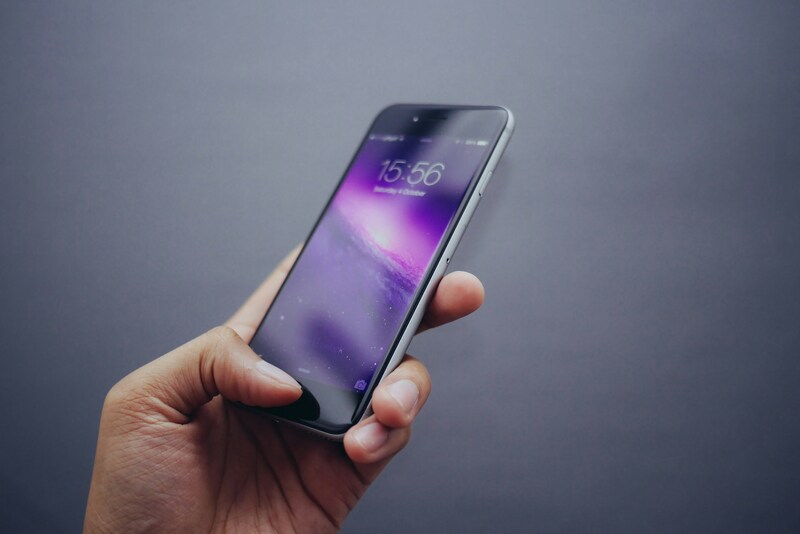
eSIM vs iSIM compares today’s widely used digital SIM with tomorrow’s integrated SIM technology. (Image by Unsplash)
1. eSIM vs iSIM – The Key Differences
What is the difference between eSIM and iSIM? When comparing eSIM vs iSIM, both technologies remove the need for a removable SIM card, but they are not identical.
The main difference is where the SIM function lives inside the device.
- eSIM uses a dedicated embedded chip inside the phone, tablet, or wearable.
- iSIM integrates SIM functionality directly into the processor hardware.
That difference can affect device size, power efficiency, manufacturing design, and long-term scalability.
| Feature | eSIM | iSIM |
|---|---|---|
| Hardware Design | Separate embedded chip | Integrated into processor |
| Physical Space Needed | Small | Even smaller |
| Activation Method | Remote digital provisioning | Remote digital provisioning |
| Current Availability | Widely available | Limited / emerging |
| Common Devices | Smartphones, tablets, watches | IoT devices, future devices |
| Carrier Support | Growing and established | Early-stage adoption |
What is the difference between eSIM and iSIM?
From a consumer perspective today, eSIM vs iSIM is mostly about present availability versus future potential.
2. Why Are People Against eSIM?
A common question in the eSIM vs iSIM discussion is: Why are people against eSIM?
The concern is usually not about the technology itself, but about convenience, control, and transition habits.
Some users hesitate because:
- They are used to swapping physical SIM cards instantly
- They worry switching carriers may be harder
- They fear losing service if setup fails
- They prefer something removable and familiar
- They are unsure whether their phone supports eSIM
For travelers, a physical SIM can feel simpler because it can be moved between devices quickly.
Others are concerned about troubleshooting. If a phone is damaged, a physical SIM can be inserted into another device immediately, while eSIM often requires account access or carrier steps.
But why is eSIM still more common today?
Despite those concerns, eSIM remains the dominant digital SIM technology because it already has real-world carrier support and broad device adoption.
Today, many smartphones, tablets, and smartwatches already support eSIM. By contrast, iSIM is still developing across chipmakers, manufacturers, and network ecosystems.
That is why the current eSIM vs iSIM landscape still favors eSIM for everyday users.
3. eSIM vs Physical SIM – Which Is Better?
Another common question connected to eSIM vs iSIM is: Is it better to use eSIM or SIM card?
The answer depends on how you use your device.
eSIM can be better for:
- Fast digital activation
- Dual-line setups on supported phones
- Less need for physical cards
- Easier remote carrier setup
Physical SIM can be better for:
- Quick device swapping
- Older phone compatibility
- Familiar setup process
- Users who prefer removable hardware
Which one wins? Neither option is universally better.
For modern devices and convenience, eSIM often has the edge. For flexibility between multiple phones, physical SIM still has value.
So when asking Is it better to use eSIM or SIM card?, the better answer depends on your habits rather than one universal winner.
4. Where iSIM Fits in the Future?
iSIM is often viewed as the next evolution after eSIM.
Because iSIM is integrated into the processor, it can help manufacturers save space inside devices. That extra room can be used for battery, sensors, or smaller form factors.
This may be especially valuable for:
- Wearables
- Smart home devices
- Connected cars
- Industrial IoT products
- Ultra-compact future phones
As hardware becomes more compact, the eSIM vs iSIM conversation may shift. eSIM dominates now, but iSIM may become more important as new categories grow.
However, broad consumer adoption still depends on:
- Carrier certification
- Device manufacturing support
- Security standards
- Market rollout timelines
While iSIM is still developing, eSIM is already practical today.
Depending on eligibility and availability, users may access:
- Monthly talk, text, and data
- eSIM activation on supported devices
- Free or low-cost smartphones
- Guided setup support
Before selecting eSIM, users can typically verify support by:
- Selecting phone brand
- Choosing exact model
- Confirming compatibility
This helps reduce activation problems and makes current eSIM technology easier to use.
While the eSIM vs iSIM future continues to evolve, eSIM is already usable today through supported networks and devices.
Final Thoughts
The discussion around eSIM vs iSIM is really about today versus tomorrow.
eSIM is already established, widely supported, and practical for everyday users. iSIM offers exciting long-term potential through deeper hardware integration and smaller device design.
For now, most consumers choosing between eSIM vs iSIM will encounter eSIM first, because it is the technology already built into many current devices.
If you need mobile service today, eSIM is the realistic option. If you are watching the future of connected devices, iSIM is worth paying attention to.