
On This Page
Finding an eye doctor DC Medicaid accepts can feel more complicated than expected. Not every vision clinic participates in every Medicaid managed care plan, and coverage rules may differ for children and adults.
Whether you need a routine eye exam, glasses, or evaluation for a medical eye condition, understanding how DC Medicaid handles vision care is essential before scheduling an appointment. In this guide, we explain what services are covered in Washington, DC, who can access vision benefits, and how to locate an eye doctor DC Medicaid recognizes under your specific plan.
1. Does Medicaid Cover Eye Care in Washington, DC?
Yes, DC Medicaid generally covers medically necessary vision services, but benefits vary depending on age and eligibility category. In Washington, DC, children typically receive more comprehensive vision coverage than adults because pediatric vision is considered an essential health benefit.
Many people ask, does DC Medicaid cover eye exams? For children under 21, regular eye exams are usually covered under the Early and Periodic Screening, Diagnostic, and Treatment (EPSDT) benefit. This often includes routine exams, diagnostic testing, and corrective lenses when medically necessary.
For adults, coverage may be more limited. DC Medicaid often covers:
- Eye exams for medical conditions such as glaucoma or diabetes-related eye disease
- Treatment for infections or injuries
- Diagnostic testing when medically necessary
Routine vision exams and eyeglasses for adults may have limitations depending on the specific Medicaid managed care plan. Confirming benefits with your assigned plan before scheduling an appointment can help avoid unexpected costs.
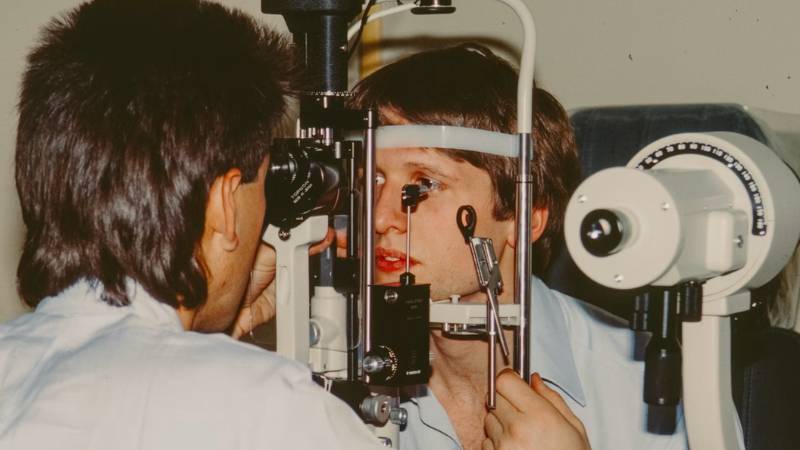
DC Medicaid generally covers medically necessary vision services, with comprehensive eye exams and corrective lenses for children under EPSDT, while adult vision benefits are more limited and depend on eligibility category. (Image by Unsplash)
2. Who Can See an Eye Doctor DC Medicaid?
Anyone enrolled in DC Medicaid can seek care from an in-network eye provider, but access depends on the type of coverage and age group.
Children and adolescents generally have broader access to preventive and corrective vision services. Adults may need to demonstrate medical necessity for certain services.
Eligibility categories that may access vision care include:
- Children enrolled in Medicaid
- Pregnant individuals
- Adults under Medicaid expansion
- Seniors enrolled in Medicaid
- Individuals with disabilities
The key factor is whether the eye doctor participates in your specific Medicaid managed care plan. Washington, DC Medicaid beneficiaries are typically enrolled in a managed care organization, and providers must be in-network to accept coverage.
Before booking an appointment, confirm:
- The clinic accepts your exact Medicaid plan
- The service you need is covered
- Any referral requirements apply
Verifying these details in advance can prevent appointment cancellations or billing surprises.
Also read: Medicaid Eligibility: Can You Get Medicaid If You Own a Home?
3. How to Find an Eye Doctor in DC That Accepts Medicaid
Finding an eye doctor DC Medicaid accepts requires more than a general online search. Because most DC Medicaid beneficiaries are enrolled in managed care plans, you must confirm that the provider participates in your specific plan.
Using DC Medicaid Provider Directories and Managed Care Plans
The first step is checking your managed care plan’s provider directory. In Washington, DC, Medicaid services are typically administered through managed care organizations, and each plan maintains its own network of participating providers.
When using the directory:
- Log in to your plan’s member portal
- Search under “optometrist” or “ophthalmologist”
- Filter by your ZIP code
- Confirm whether the provider is accepting new Medicaid patients
Directories provide a starting point, but listings may not always reflect real-time availability. After identifying a provider, contact the clinic directly to confirm participation.
Calling Eye Clinics to Confirm Medicaid Acceptance
Before scheduling, call the clinic and verify:
- They accept your specific DC Medicaid managed care plan
- They are currently accepting new patients
- The type of service you need is covered
- Whether a referral from a primary care provider is required
It is important to specify your exact plan name, not just “Medicaid.” Different managed care plans may have different networks even within DC.
Taking a few minutes to confirm these details can help avoid appointment cancellations or unexpected billing.
4. Common Issues Patients Face With DC Medicaid Vision Care
Even when coverage exists, patients may encounter challenges when seeking vision care through DC Medicaid.
Common issues include:
- Limited provider availability within certain neighborhoods
- Long wait times for routine appointments
- Confusion between routine vision exams and medically necessary eye care
- Coverage limits for adult eyeglasses
- Outdated provider directory listings
Adults may discover that routine eye exams or corrective lenses are only covered under specific conditions, while children often have broader benefits.
Another frequent issue is referral requirements. Some managed care plans require a referral from a primary care provider before scheduling specialty care. Failing to obtain the referral in advance may result in appointment rescheduling.
Understanding your plan’s specific rules and confirming details beforehand can significantly reduce delays and billing misunderstandings.
5. Why Staying Connected Matters When Managing Medicaid Vision Care
Vision care often involves more follow-up than patients expect. Eye exam results, prescription updates, referral confirmations, and managed care approvals are commonly handled by phone. If you are enrolled in DC Medicaid and managing appointments with an eye doctor DC Medicaid accepts, staying reachable helps prevent delays.
Missed calls can lead to:
- Rescheduled eye exams
- Delays in glasses orders
- Unconfirmed referrals
- Missed reminders for follow-up visits
- Gaps in coverage verification
Because communication plays such a central role in healthcare, Medicaid recipients may also qualify for additional support through the Lifeline program.
Lifeline provides a monthly discount on phone or internet service for eligible low-income households. If you are enrolled in Medicaid, you may qualify automatically based on participation.
This benefit supports:
- Appointment reminders
- Telehealth visits
- Prescription coordination
- Communication with vision clinics
- Emergency contact access
If you are already enrolled in Medicaid, you can check Lifeline eligibility directly with a participating provider and complete the application process online. Maintaining reliable communication can help ensure your Medicaid vision care continues without unnecessary disruption.
Conclusion
If you are searching for an eye doctor DC Medicaid will cover, the key is confirming your managed care network, understanding which vision services apply to your age group, and staying proactive with appointment coordination.
Coverage for medically necessary eye care is available in Washington, DC, but provider participation and benefit limits can vary. Taking a few extra steps to verify details in advance can help ensure your Medicaid vision care experience is smooth and uninterrupted.
FAQs
Do vision work take Medicaid?
Many vision clinics accept Medicaid, but participation depends on the specific managed care plan. Always confirm that the clinic accepts your exact DC Medicaid plan before scheduling.
Does DC Medicaid cover pregnancy?
Yes, DC Medicaid provides coverage for eligible pregnant individuals, including prenatal visits, delivery services, and postpartum care, subject to income and eligibility requirements.
Related SenGov Guides
- Dentist That Accepts Medicaid for Adults: How to Find Affordable Dental Care Near You
- How Long Does Medicaid Pay for Long-Term Care? Coverage Rules in 2026
- How Much Does Medicaid Pay for Adult Day Care? Costs and Coverage in 2026
- Medicaid Physical Therapy Near Me: How to Find Covered Care and Avoid Common Delays in 2026