
On This Page
Flip phones are back, but not all of them mean the same thing anymore. Some people picture classic phones with buttons, compact size, and long battery life.
Others mean premium foldable smartphones that close like a flip phone while still offering apps, cameras, and fast mobile data.
That difference matters when searching for a flip phone with eSIM, because support depends on the type of device you choose.
This guide breaks down what currently supports eSIM, which phones are worth considering, and whether a flip design still makes sense today.
1. Flip Phone With eSIM: Two Very Different Types of Flip Phones
The phrase flip phone with eSIM can describe two very different categories.
- The first is the traditional flip phone
They built mainly for calls, texting, and simplicity. These devices are often chosen by users who want fewer distractions and longer battery life.
- The second is the foldable smartphone
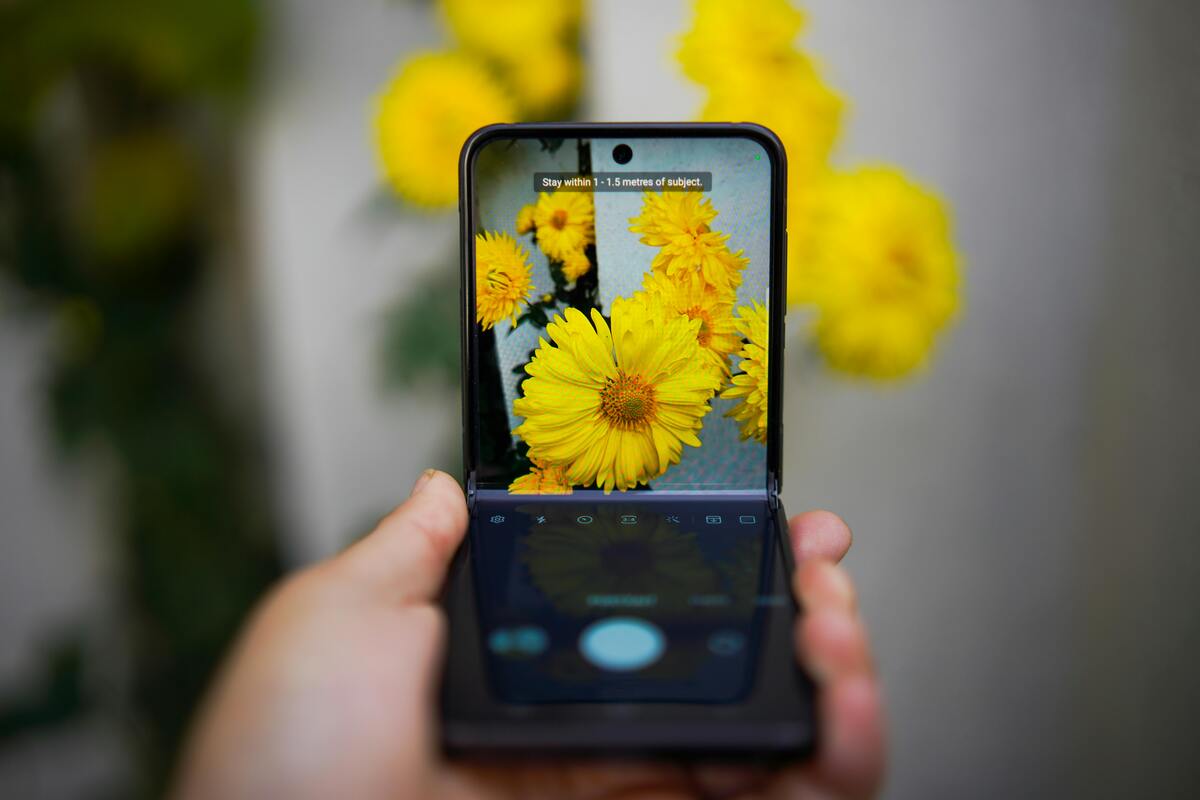
Modern touchscreen phones that fold closed, such as the Samsung Galaxy Z Flip line. These devices deliver a full smartphone experience while keeping the nostalgic flip style.
That distinction matters because eSIM support is much more common on foldable smartphones than on classic feature phones.
Can you use an eSIM with a flip phone? It depends on the model.
Older or basic flip phones usually rely on physical SIM cards. In contrast, newer foldable devices often include eSIM support along with dual-line features and digital activation tools.
So, if eSIM is a priority, checking the exact model matters far more than relying on the word “flip.”
For those wondering does the Samsung flip phone have eSIM, in many supported markets, Galaxy Z Flip models do include eSIM capability.
That makes Samsung’s foldable lineup one of the most recognizable examples of a modern flip phone with eSIM available today.
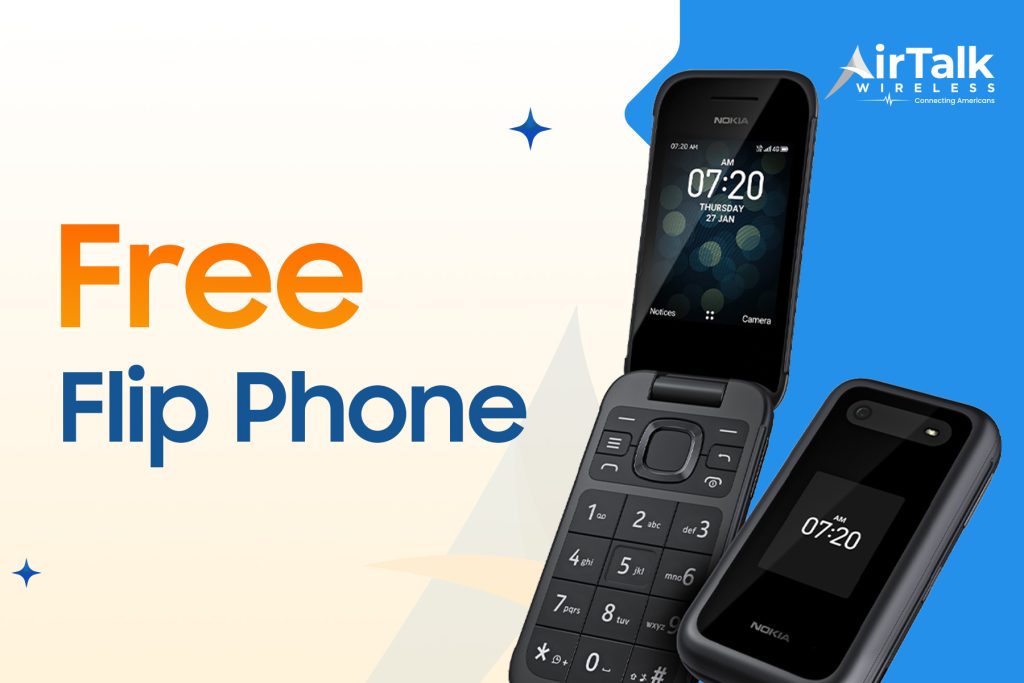
Flip phone with eSIM? compact smart devices.
2. Best Types of Phones if You Want eSIM
If eSIM matters more than the flip design itself, broadening your options can lead to better value and stronger daily performance.
Samsung Galaxy Z Flip Series
For users who want the modern version of a flip phone with eSIM, Samsung’s Galaxy Z Flip lineup remains one of the best-known choices. It combines foldable design with flagship features, modern cameras, and broad eSIM support on many models.
Google Pixel Series
A practical choice for buyers who care more about performance and simplicity than flashy design.
Pixel phones are known for smooth Android software, reliable cameras, and a clean user experience without heavy manufacturer add-ons.
iPhone 13 / 14 / 15 / 16 Series
One of the strongest all-around choices for users who want eSIM convenience with long-term value.
These iPhones are popular because they combine performance, strong resale value, and years of software support. Newer models are especially attractive for people planning to keep a phone for several years.
Samsung Galaxy S Series
Ideal for people who want premium Android features without paying foldable-phone prices.
FAQs
Why Is Gen Z Buying Dumb Phones?
Many younger users are experimenting with simpler devices to reduce screen time, limit distractions, and create healthier digital habits.
What phones have built-in eSIM?
Many newer iPhones, Google Pixel devices, Samsung Galaxy S models, and Samsung Galaxy Z Flip / Fold devices include eSIM support on compatible versions.
What are the disadvantages of using an eSIM?
Some users find transfers less familiar than swapping a physical SIM, and support can vary by carrier, region, or device model.
Final Thoughts
A flip phone with eSIM does exist, but it usually refers to foldable smartphones rather than classic button phones.
If you want nostalgia and simplicity, traditional flip phones still have appeal. If you want modern convenience, foldables and newer compact smartphones often offer far more flexibility.
For many users, the smarter choice is not chasing a trend, it is choosing the phone you will actually enjoy using every day.