
On This Page
Dental implants can improve eating, speaking, and overall comfort, but the price often shocks many seniors living on a fixed income. A full treatment plan can cost thousands of dollars, which leaves many people wondering whether Medicare offers any real help.
The challenge is that dental implant coverage under Medicare is far more limited than many expect. Still, some seniors may find lower-cost programs, dental assistance options, or situations where certain dental care expenses become partially covered.
This guide explains what seniors should know about free dental implants for seniors on Medicare, when coverage may apply, and where lower-cost treatment options may still be available.
1. Are Free Dental Implants for Seniors on Medicare Really Possible?
Completely free dental implants are difficult to find, even for seniors already enrolled in Medicare. Implant treatment often involves multiple procedures, imaging, surgery, fittings, and long-term follow-up care, which makes the total cost significantly higher than routine dental services.
That said, some seniors may still find ways to reduce costs through:
- charitable dental programs
- teaching clinics
- Medicare Advantage dental benefits
- local senior assistance programs
- financing support
- discounted treatment programs
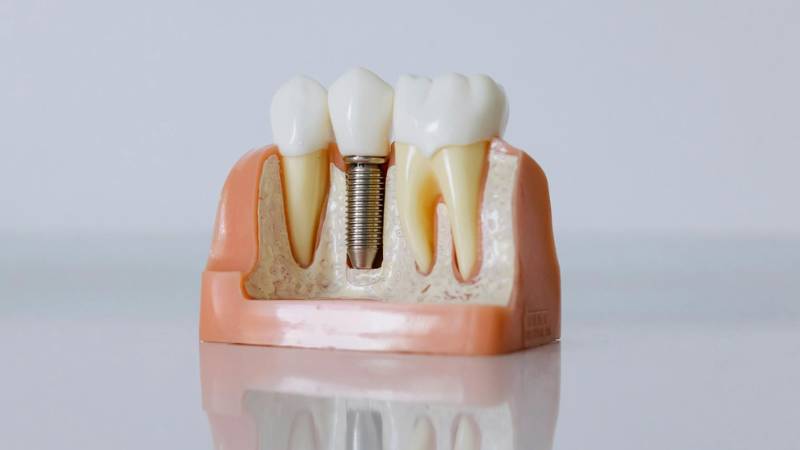
Free dental implants through Medicare are rare, but some seniors may lower costs through charitable programs, Medicare Advantage plans, teaching clinics, or local assistance options. (Image by Pexels)
Searches for free dental implants for seniors on Medicare near me have become more common as implant costs continue rising, especially for retirees living on a fixed monthly income.
In certain situations, seniors may qualify for:
- reduced-cost implant procedures
- partial insurance coverage
- lower-cost alternatives to full implants
- treatment through nonprofit organizations
- dental school programs supervised by licensed professionals
The biggest misconception is that Medicare automatically covers standard dental implant treatment after retirement. In reality, most implant-related services fall outside normal Original Medicare dental coverage rules unless specific medical circumstances apply.
Because treatment costs vary widely by location and provider, many seniors compare multiple options before committing to implant surgery.
2. Why Medicare Usually Does Not Cover Dental Implants
Many seniors are surprised to learn that Medicare coverage for dental care remains very limited compared to other medical services.
Although Medicare helps cover hospital care, doctor visits, and many medically necessary treatments, standard dental procedures are often excluded under Original Medicare.
Original Medicare Dental Coverage Limits
Original Medicare generally does not cover routine dental services, such as:
- cleanings
- fillings
- tooth extractions
- dentures
- crowns
- dental implants
This limitation exists because routine dental care is typically classified separately from covered medical treatment under Medicare rules.
As a result, many seniors must pay out of pocket for implant procedures unless they have:
- Medicare Advantage dental benefits
- supplemental dental coverage
- financial assistance programs
- access to reduced-cost treatment providers
Even diagnostic exams and imaging connected to implant treatment may not always qualify for coverage under Original Medicare.
Why Dental Implants Are Often Considered Noncovered Services
Dental implants are usually viewed as elective or routine dental restoration procedures rather than medically necessary treatment.
A standard implant process may involve:
- oral surgery
- titanium implant placement
- bone grafting
- healing periods
- artificial tooth placement
Because these procedures are generally associated with tooth replacement and long-term dental restoration, Medicare often classifies them as noncovered services.
In some situations, however, portions of dental treatment may become eligible for coverage when:
- Hospitalization is required
- The procedure is connected to another covered medical condition
- Jaw reconstruction becomes medically necessary
- Dental treatment is tied to trauma or illness
These exceptions are relatively limited, which is why many seniors explore lower-cost implant alternatives or outside financial assistance programs before starting treatment.
3. Situations Where Medicare May Help Pay for Dental Care
Most routine implant procedures remain outside standard Medicare coverage, but there are still limited situations where certain dental-related expenses may qualify for partial assistance.
This is why questions like are dental implants free for seniors on Medicare can become complicated. In most cases, implants themselves are not fully covered, but specific medical circumstances may allow portions of treatment to qualify under broader Medicare rules.
Medically Necessary Dental Procedures
Medicare may help cover certain dental procedures when they are considered medically necessary for another covered health condition or treatment.
Examples may include situations involving:
- jaw injuries
- oral infections affecting overall health
- reconstructive surgery
- cancer-related treatment
- medically necessary tooth extraction before another covered procedure
In these cases, Medicare coverage is usually tied to the medical necessity of the overall treatment rather than the dental implant itself.
Even when coverage applies, it may only include specific portions of care, such as:
- hospital services
- physician treatment
- medically required surgery
- related diagnostic imaging
Routine implant restoration and long-term dental replacement costs may still remain the patient’s responsibility.
Medicare Advantage Dental Benefits
Some Medicare Advantage plans include additional dental benefits that Original Medicare does not provide.
Depending on the plan, coverage may help reduce costs for:
- routine dental care
- dentures
- oral exams
- extractions
- crowns
- certain implant-related procedures
Coverage levels vary widely between plans. Some Advantage plans may only offer preventive dental care, while others include annual allowances or partial implant benefits.
Because of these differences, many seniors review:
- yearly coverage limits
- waiting periods
- provider networks
- implant exclusions
- copayment requirements
before beginning treatment.
Hospital-Related Dental Treatment Exceptions
Medicare may also help cover dental-related treatment when hospitalization becomes medically necessary.
For example, coverage may apply when:
- A patient requires inpatient surgery
- Severe infection creates medical complications
- Oral trauma requires hospital care
- Another covered medical condition makes hospitalization necessary
In these situations, Medicare may help pay for hospital-related services connected to the procedure itself.
However, the actual implant placement or routine dental restoration work may still fall outside standard Medicare coverage rules.
4. Where Seniors May Find Free or Low-Cost Dental Implants
Although fully free implant treatment is uncommon, some seniors may still find lower-cost programs that significantly reduce expenses compared to private dental clinics.
Availability often depends on:
- location
- income eligibility
- treatment complexity
- provider participation
- program funding
Because implant costs can become overwhelming on a fixed income, many seniors compare multiple assistance options before moving forward with treatment.
Dental Schools and Teaching Clinics
Dental schools sometimes provide lower-cost treatment through supervised teaching clinics.
Students perform procedures under the guidance of licensed dental professionals, which can reduce overall treatment costs compared to private practices.
These programs may offer:
- discounted implants
- lower-cost imaging
- reduced surgical fees
- payment plan options
Appointments may take longer because of the educational setting, but some seniors find the savings worthwhile.
Nonprofit and Charitable Dental Programs
Some nonprofit organizations and charitable programs provide limited dental assistance for seniors with financial need.
These programs may help with:
- emergency dental care
- oral surgery
- dentures
- partial implant support
- low-cost referrals
Funding and availability often vary by state and local community resources.
Because assistance programs can have waiting lists or limited enrollment periods, some seniors contact multiple organizations while exploring treatment options.
State or Local Senior Assistance Programs
Certain states, counties, or local aging agencies may offer programs that help older adults access lower-cost dental services.
Depending on the area, support may include:
- reduced-fee clinics
- transportation assistance
- senior dental vouchers
- community health partnerships
- referrals to participating providers
Some programs focus specifically on low-income seniors who may not otherwise afford major dental treatment.
Local aging offices and community health organizations may provide information about programs available nearby.
Clinical Trials and Research Programs
In some situations, universities or research organizations conduct clinical studies involving dental implant procedures or oral health treatment.
Eligible participants may receive:
- discounted treatment
- free evaluations
- reduced implant costs
- access to newer dental technologies
Clinical trials usually have strict qualification requirements based on:
- health status
- treatment needs
- age
- research goals
Participation may not guarantee completely free treatment, but some programs can significantly reduce total implant expenses for qualifying seniors.
5. Lower-Cost Alternatives to Full Dental Implants
Full dental implants can become very expensive, especially when multiple teeth require treatment. Because of this, many seniors explore lower-cost alternatives before committing to full implant procedures.
Implant-Supported Dentures
Implant-supported dentures use fewer implants than full-mouth restoration while still providing stronger support than traditional removable dentures.
For some seniors, this option may offer:
- improved stability
- easier eating
- lower overall costs
- fewer implants required
Traditional Dentures
Traditional dentures remain one of the most affordable tooth replacement options for seniors.
Although they do not function the same way as implants, dentures may still help improve:
- speaking
- chewing
- appearance
- daily comfort
Many seniors choose dentures when implant treatment falls outside their budget.
Dental Discount Plans
Some dental discount programs offer reduced pricing through participating providers.
These plans may help lower costs for:
- exams
- extractions
- dentures
- implant consultations
- certain dental procedures
Discount plans are not insurance, but they may reduce out-of-pocket expenses for some seniors.
6. What Seniors Should Ask Before Starting Implant Treatment
Dental implant treatment often involves multiple appointments, procedures, and long-term care. Before beginning treatment, seniors may benefit from reviewing the full financial and medical picture with the provider.
Total Treatment Costs
The initial quote may not include every expense connected to implant treatment.
Patients may want to ask about:
- imaging fees
- surgery costs
- bone grafting
- anesthesia
- crown placement
- future replacement costs
Follow-Up Care and Maintenance
Dental implants usually require ongoing monitoring and maintenance after placement.
Before treatment begins, seniors may ask:
- How often follow-up visits are needed
- What long-term care involves
- Whether future repairs may be necessary
Insurance and Financing Questions
Coverage rules and payment options vary widely between providers and insurance plans.
Important questions may include:
- What insurance actually covers
- Whether payment plans are available
- If financing includes interest charges
- What costs must be paid upfront
7. Managing Health Appointments and Daily Support on a Fixed Income
For many seniors, dental care is only one part of a much larger health care budget. Transportation costs, prescription refills, follow-up appointments, and monthly phone bills can quickly add pressure to a fixed income.
Reliable phone access often becomes important for:
- scheduling dental appointments
- contacting specialists and pharmacies
- receiving appointment reminders
- accessing telehealth services
- staying connected with caregivers and family members
The federal Lifeline program helps eligible low-income households reduce monthly phone service costs. Seniors who participate in programs such as Medicaid, SNAP, or SSI may also qualify for Lifeline benefits through participating providers.
- free monthly talk
- unlimited text
- mobile data
- free or discounted smartphones in eligible areas
- Bring Your Own Device support for compatible phones

For seniors already managing ongoing medical and dental expenses, lowering everyday communication costs can help make routine care and appointment coordination more manageable.
Conclusion
Finding completely free dental implants for seniors on Medicare can be difficult, especially because Original Medicare usually does not cover routine implant procedures.
Still, some seniors may reduce costs through Medicare Advantage plans, charitable dental programs, teaching clinics, local assistance programs, or lower-cost alternatives such as dentures and implant-supported options.
Comparing treatment costs carefully, reviewing available financial assistance, and exploring local resources can help seniors make more realistic decisions before starting long-term dental treatment.