
On This Page
Finding support for baby supplies can feel overwhelming, so learning how free diapers with Medicaid work can make things easier for parents. Many households rely on Medicaid for healthcare needs, and while the program helps in important ways, diaper coverage is different.
1. Free Diapers With Medicaid: What Families Should Expect
Parents often hope Medicaid will help pay for diapers, but diaper coverage is limited. Medicaid generally supports medical needs, not daily baby supplies.
The exception occurs when a child has a document about free diapers with Medicaid conditions such as severe incontinence where diapers are considered medically necessary.
In these cases, a doctor’s note and Medicaid approval may allow coverage. For most families, however, diapers must come from outside support programs. Still, knowing where to look can help ease the cost.
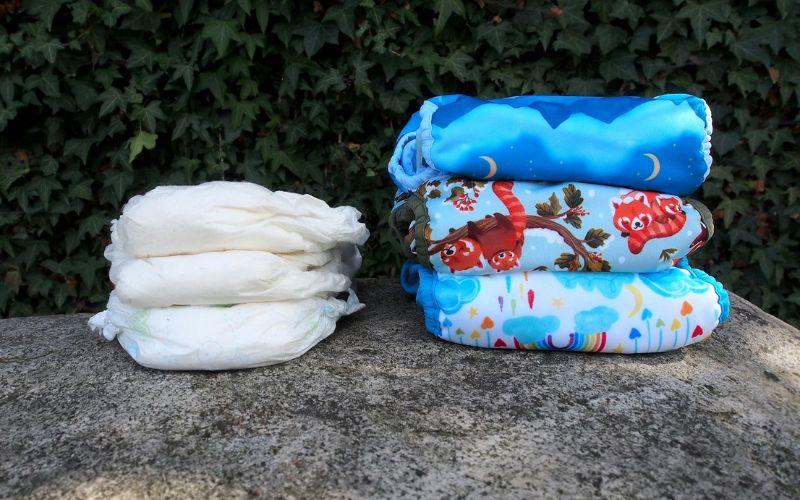
Many parents explore free diapers with Medicaid (Image by Unsplash)
2. How to Get a Free Pack of Diapers if Medicaid Doesn’t Cover Them
2.1 Diaper Banks and Local Aid Groups
Diaper banks are one of the most dependable options. Many communities have nonprofits that give out free diapers with medicaid on a regular schedule. They work with food pantries, community centers, hospitals, and churches to reach parents who need help.
2.2 State or Community Programs That Help With Baby Needs
Some states fund programs that assist low-income families with baby supplies. These may offer free diapers with medicaid, wipes, formula, and other essentials.
You can also ask your local social services office or WIC clinic for a referral. These programs vary by region, so checking your state’s resources is always worthwhile.
2.3 What to Do if Your Request Is Denied
If a diaper request is denied, don’t give up. Many organizations restock throughout the month. Calling more than one diaper bank, checking community Facebook groups, and asking local churches often leads to help sooner than expected.
3. Do You Know Medicaid Recipients Can Also Get Free Phone Services?
3.1 Medicaid as an Automatic Eligibility Path for a Free Phone Through Lifeline
- Hotpepper Verde
- Galaxy S6
- iPhone 6 Plus
- iPhone 7 Plus
- Unimax U693CL
- Galaxy S7 Edge
- BLU View 3
3.2 What a Free Phone With Medicaid Looks Like
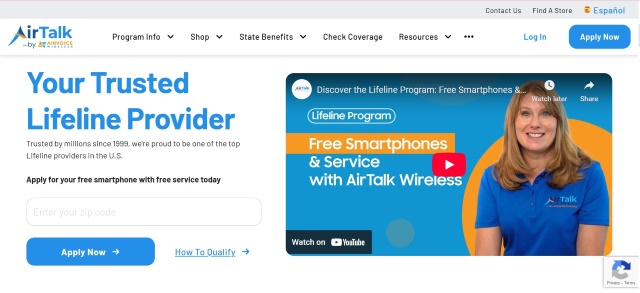
4. How to Apply for a Free Phone With Medicaid Through Lifeline
Type in your ZIP code to confirm service in your region. This step is important because phone models and plan details vary by state. Once entered, the system will show what options are open to Medicaid users.
Step 3: Pick a Lifeline Plan
Select the plan that fits your household needs. Most Lifeline programs include free calls, texts, and monthly data. If you want a device included, pick a plan that offers a phone rather than a BYOD option.
Step 5: Upload Your Medicaid Papers
You must show proof that you are enrolled in Medicaid. Upload a clear image of your Medicaid card or another accepted document. You will also need:
- A government ID
- A paper showing your current address
- Make sure your photos are bright and readable to avoid delays.
Step 6: Submit Your Application
After your papers are uploaded, send the form for review. Your details are checked through the National Verifier, a federal system used to confirm eligibility. Most applicants receive updates by email or text during the review.
Most families receive their device within a few business days and can begin using their Lifeline service right away.

6. Frequently Asked Questions
6.1 How to Get a Free Pack of Diapers?
You can contact diaper banks, churches, community aid groups, or state-funded programs. Many parents receive free diapers with Medicaid through local referral services or non-profit partners.
6.2 Are Diapers Covered Under Medicare?
No. Medicare does not cover free diapers with Medicaid for infants. Adult incontinence products may be covered in some cases, but baby diapers are not included.
6.3 What Will Medicaid Not Pay For?
Medicaid does not pay for everyday baby supplies such as free diapers with Medicaid, wipes, formula (unless medically required), toys, or clothing. It also does not cover items outside medical care unless linked to a documented condition.