
On This Page
Homeless individuals in the U.S. can qualify for a free government phone through the Lifeline program. You do not need a permanent address; you can use a shelter or social service center to apply. The free phone helps the homeless connect to emergency services, shelters, healthcare, and job opportunities.
Keep reading to see how the program works, who qualifies, and where you can apply today.
1. Why Phones Matter for the Homeless Population
A free government phone for homeless individuals is more than just a device. For many, it is the only way to stay connected with services that can change their situation. Phones help people without stable housing in practical ways:
- **Emergency services: **Call 911 or connect with outreach workers in dangerous situations.
- Job opportunities: Apply for work, receive interview calls, and follow up with employers.
- Shelters and housing support: Check bed availability, schedule appointments, and get updates from local programs.
- **Healthcare access: **Keep in touch with doctors, clinics, or mental health providers.
How many people are homeless in America?
According to HUD’s 2023 report, more than 650,000 Americans experience homelessness each year. For them, phones are not luxuries. They are survival tools that provide safety, connection, and a path to rebuilding independence.
2. Which Government Program Has the Best Free Phones?
The Lifeline Program is the main federal program that offers free or discounted phones to eligible low-income users. It provides both a device and an ongoing service, making it the most reliable option compared to temporary giveaways or promotions.
When the homeless qualify for Lifeline, they can receive **telecommunication benefits **through the Lifeline program and approved provider, including:
- **Monthly subsidies for phone services:**Up to $9.25 for most households, and up to $34.25 for those living on Tribal lands. The subsidy applies automatically to your monthly bill once your application is approved
- **Free telecom services: **Unlimited talk, text, and data. Some providers also support SIM Card or eSIM with a new device or BYOD, and international calling to many countries.
- **Device options: **Depending on stock, you may receive a free Lifeline smartphone or access discounted 5G upgrade devices like Samsung or iPhone.
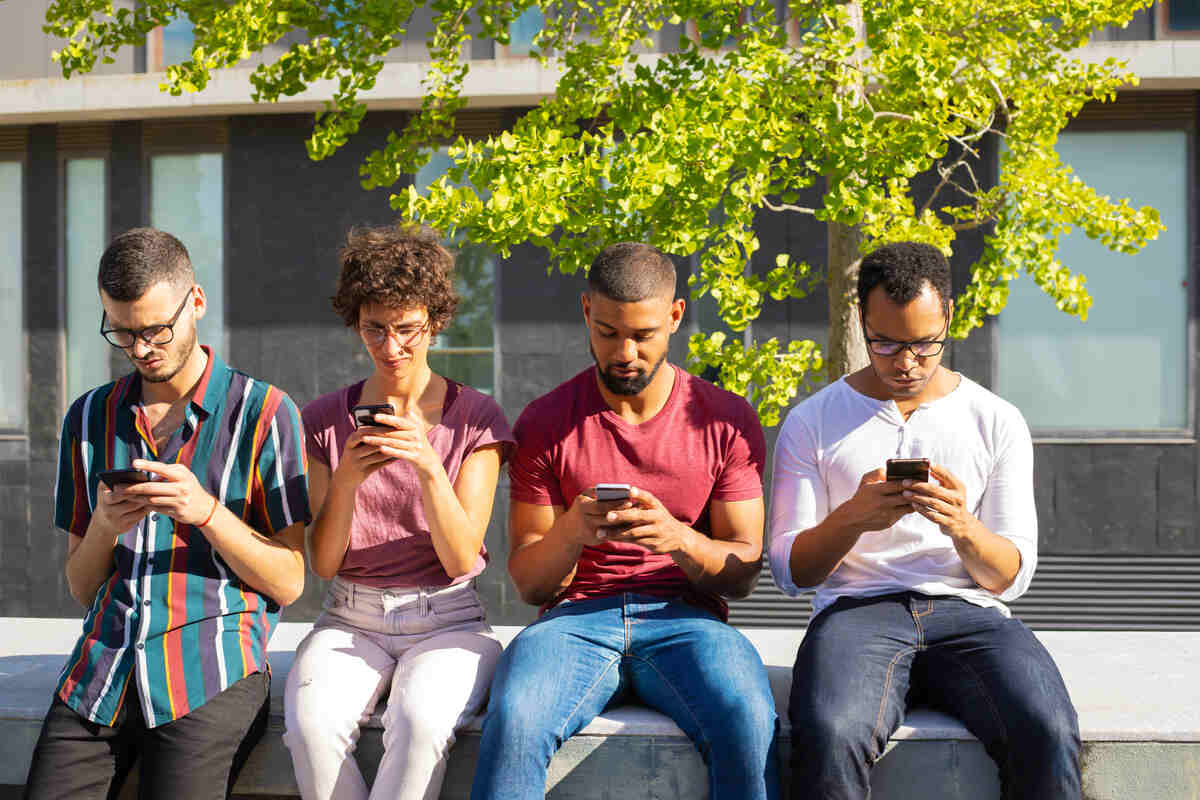
The Lifeline program provides both a device and an ongoing service (Image by Freepik)
3. Eligibility Rules for Homeless Individuals
Qualifying for a free government phone for homeless through the Lifeline program is very easy. You should meet one of the Lifeline requirements below:
- Income-based eligibility: You qualify if your household income is at or below 135% of the Federal Poverty Guidelines.
- **Program-based eligibility: **Enrollment in programs such as Medicaid, SNAP/EBT, SSI, Section 8 Housing Assistance, or Veterans Pension automatically qualifies you.
- **Tribal program: **Tribal residents qualify when enrolled in Tribal TANF, BIA, and FDPIR
***Note:***No permanent address? You can use the address of a shelter, halfway house, or social service center when filling out your application. This ensures you can still receive mail and important documents.
These rules make it possible for homeless individuals to apply even without a stable home. So it ensures access to a homeless free phone service for safety and daily needs.
4. Best Providers Offer Free Government Phone for Homeless
For homeless applicants, getting a free government phone can be more challenging than it sounds. When applying to some providers, many may face challenges such as:
- Missing documents or ID: Not everyone has access to current identification or paperwork.
- **Limited device variety: **Some providers only offer very basic models, making it harder to stay connected.
- Long approval times: Applications can take weeks, leaving people without service during urgent situations.
- Unlimited talk and text every month.
- Up to 16 GB of monthly high-speed data.
- **Free international calling **to more than 200 countries.
- Free SIM card/eSIM with a new device for BYOD (Bring Your Own Device).
- Enhanced subsidies for tribal residents.
- **Fast approvals: **Many applications are reviewed in under 30 minutes.
- Free shipping: Devices are delivered in 7–10 business days.
- Device options: From simple flip phones to Androids and iPhones, you can pick what works for you.
- Responsive support: Customer service is available to help people in shelters or transitional housing complete their applications.
5. How to Get a Cell Phone for Free Without Paying? Step-by-Step Guide
Step 2: Select Your Plan
Review the plans and choose the option that best fits your needs. Click “SELECT NOW” to continue.
Step 3: Pick Your Device
Choose from free basic models or select a discounted upgrade, such as Android smartphones or iPhones, if available in your ZIP code.
Step 4: Upload Documents (If required)
Provide proof of eligibility. This may include:
- Government-issued ID
- EBT card or Medicaid card
- Shelter certification (if you are homeless)
- Proof of income (if applying by income rules)
Step 5: Submit Your Application
Most applications are auto-approved within 30 minutes. Manual reviews may take 2–3 business days.
Step 6: Receive Your Phone
Once approved, your device is shipped free of charge. Delivery typically takes 7–10 business days, and you’ll receive activation instructions in the package.
With this process, you can secure a cell phone for free without paying and stay connected for work, healthcare, and emergencies.
FAQs
1. Can homeless people really get free phones?
Yes. Homeless individuals can qualify for a free government phone for homeless through the Lifeline program. A phone is considered a basic need because it helps with emergencies, housing support, and job applications.
2. Do I need a permanent address to apply?
No. You can use the address of a shelter, halfway house, or social service center. Lifeline accepts these addresses for applicants without permanent housing.
3. Can I apply if I live in a shelter or transitional housing program?
Yes. Many Lifeline providers allow applications from people living in shelters or transitional housing. Some providers may also accept a certification letter from the shelter as proof of residence.
Final Words
A free government phone for homeless users through the Lifeline program in the US is very practical. The Lifeline program gives you access to talk, text, and data with no monthly bills, plus a free or discounted device. Even without an address, you can qualify if you meet the income or program rules.