
On This Page
Finding safe and engaging indoor spaces for children becomes essential when outdoor play is not always practical. Many parents search for a free indoor playground near me to keep kids active, social, and entertained without extra expenses.
1. What Is a Free Indoor Playground?
A free indoor playground is a safe, enclosed space designed for children to play, explore, and stay active without requiring an entry fee. These areas are often found in places like shopping malls, community centers, libraries, or family-friendly venues, offering soft play structures, slides, climbing zones, and interactive features.
Many parents wonder what are those indoor playgrounds called and they are commonly referred to as indoor play areas, soft play zones, or kids’ play spaces. Unlike paid play centers, these locations focus on accessibility, allowing families to enjoy a secure environment for children year-round, regardless of weather conditions.
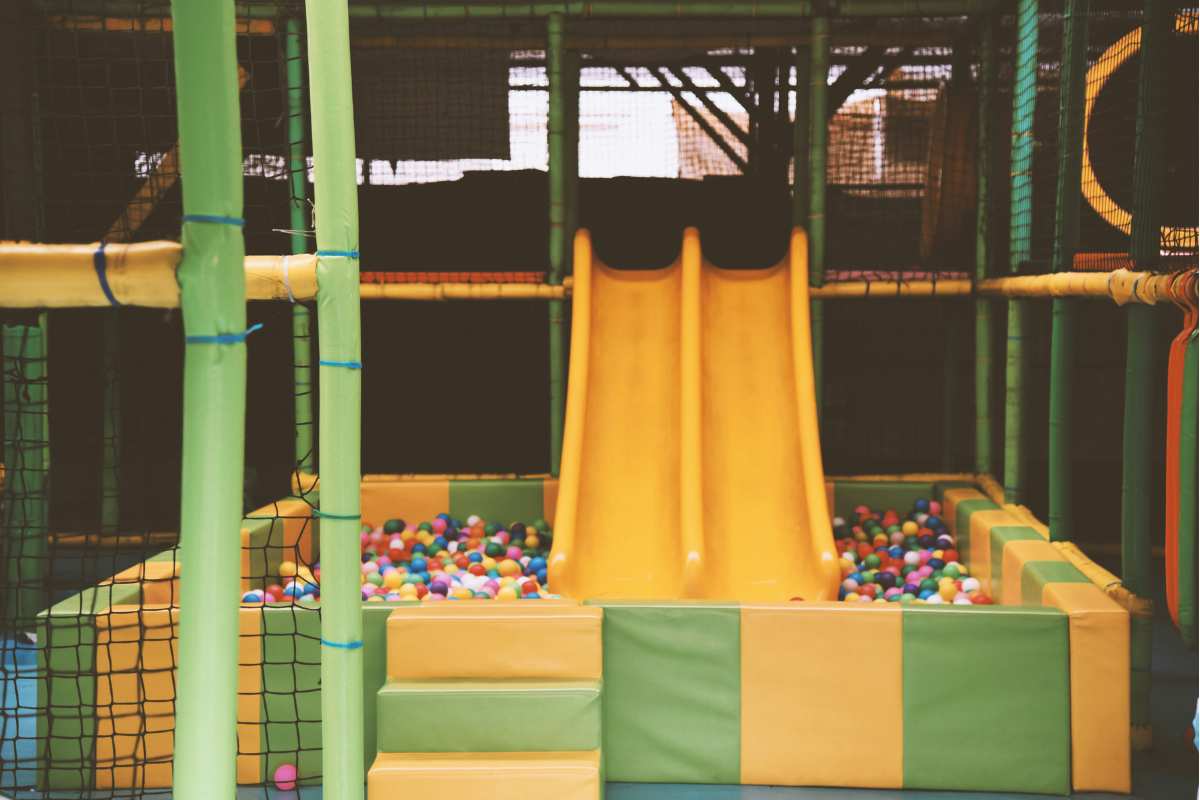
Some options for a free indoor playground near me. (Image by Unsplash)
2. Best Places to Find Free Indoor Playgrounds for Kids
Finding free indoor play spaces for kids becomes easier when you know where to look. Many everyday locations offer safe, engaging environments that help children stay active and socialize.
Shopping Malls with Play Areas
Shopping malls are one of the most accessible places for indoor play, especially in larger cities where family-friendly amenities are common. Many malls feature soft play zones designed with padded flooring, climbing structures, and interactive elements that are safe for younger children.
When searching for a free indoor playground near me for kids, malls often appear as top results because of their convenience and availability. Families can combine errands with playtime, making visits more efficient. Additional amenities such as restrooms, seating areas, and dining options also help create a comfortable environment for longer stays.
Fast Food Restaurants with PlayPlaces
Fast food restaurants with PlayPlaces offer a quick and convenient indoor activity option for children. These spaces usually include slides, tunnels, and climbing frames made from soft, durable materials designed to reduce injury risks.
While not every location offers a play area, larger or family-focused branches often maintain these indoor setups. They are particularly useful for short visits when children need to release energy in a safe environment.
These play areas are typically free to use, although many families choose to purchase a meal during their visit. The combination of food and play makes it an easy choice for busy parents looking for a simple outing.
Community Centers & Recreation Centers
These spaces may include open play rooms, soft mats, climbing equipment, and multi-use areas that encourage movement and interaction.
One of the biggest advantages of these locations is accessibility. Many community centers offer free entry or very low-cost programs, making them ideal for families on a budget. In addition to play spaces, they may host events, classes, and group activities that promote social development.
Libraries with Kids’ Play Zones
Libraries have evolved into multifunctional spaces that support both education and play. Many now include dedicated children’s areas with toys, puzzles, sensory activities, and reading corners. For younger children, this balance of play and quiet activity can be especially beneficial.
Beyond physical play areas, libraries often provide free programs such as storytime, group activities, and interactive learning sessions. These offerings make libraries a valuable option for families seeking both entertainment and educational benefits.
Churches & Nonprofit Family Centers
These areas may include playrooms, activity halls, or small playground setups designed for children. Access is usually free during scheduled events, open play sessions, or community gatherings. These spaces are often less crowded, offering a more relaxed environment for families.
In addition to play areas, these centers frequently offer family-focused programs, childcare support, and social events.
3. Top Free Games at the Children’s Outdoor Playground
Outdoor playground games are a great way to keep kids active while building teamwork, coordination, and confidence. Many simple activities can turn any playground into an exciting space for movement and creativity.
Red Light, Green Light
One child controls movement by calling “green light” to move and “red light” to stop. Players must freeze instantly or return to the start. This game improves listening skills, body control, and focus while keeping children active and engaged in a fun challenge.
Duck, Duck, Goose
Players sit in a circle while one child taps others until choosing a “goose,” who must chase them. This game builds quick reactions and social interaction. Its simple rules and energetic pace make it a favorite for younger children during group outdoor play.
Hopscotch
Hopscotch involves hopping through numbered squares drawn on the ground while avoiding lines. It helps improve balance, coordination, and counting skills. This game is easy to set up and encourages both physical movement and basic learning at the same time.
Treasure Hunt
Children search for hidden objects placed around the playground, either individually or in teams. This game encourages problem-solving, observation, and teamwork. It adds excitement and creativity, making outdoor play more interactive and engaging for all ages.
Relay Races
Relay races involve teams taking turns running or completing tasks before passing to the next player. This activity builds teamwork, coordination, and endurance. The competitive element keeps kids motivated while encouraging cooperation and group participation.
Obstacle Course
An obstacle course combines running, jumping, crawling, and climbing challenges into one activity. Children move through different stations that improve agility and strength. This game encourages creativity, as obstacles can be arranged in many fun and varied ways.
Ball Toss Game
Players throw and catch a ball in pairs or groups, sometimes adding challenges like clapping before catching. This activity improves hand-eye coordination and timing. It also teaches cooperation and communication when played as a team-based game.
Capture the Flag
Two teams compete to capture the opponent’s flag while protecting their own. Players must plan strategies, move quickly, and avoid being tagged. This game builds teamwork, communication, and problem-solving skills in a highly active outdoor setting.
Freeze Dance
Music plays while children dance freely, but they must freeze when it stops. Anyone who moves is out or must perform a fun action. Many parents wonder, “why are indoor playgrounds so expensive”, but simple games like this show kids can have fun anywhere without extra cost.
4. Not Only Free Playgrounds: Saving on Everyday Family Costs
Finding free indoor playgrounds is just one way families are cutting costs, especially when daily expenses continue to rise.
Beyond activities for kids, many parents are now paying closer attention to recurring bills that impact their monthly budget. Communication costs, in particular, can add up quickly, making it important to explore smarter, more affordable alternatives that still meet everyday needs.
The Lifeline Program is a federal assistance program that helps eligible low-income households access affordable phone services.
*Prices may vary depending on availability, location, and time of application.
5. Final Thoughts
Exploring a free indoor playground near me is a simple way to keep kids active while managing family expenses more effectively. With so many accessible options, parents can plan fun outings without adding extra costs to their budget.