
On This Page
1. Are There Really Free Laptops and Tablets for Students?
When individuals search for a free tablet or laptop for students, they often expect a program specifically dedicated to enrollment status. However, it is important to clarify the reality of federal assistance.
1.1. Understanding Federal Assistance and the Lifeline Program
The primary way to obtain a free or low-cost device in the United States is through providers of the Lifeline Program. It is critical to understand that this program does not qualify individuals simply because they are “students.” Instead, it is a needs-based initiative designed to support low-income households.
This program provides a monthly subsidy for wireless service, while many providers independently offer free or discounted devices as part of their promotional plans for eligible subscribers.
1.2. Modern Mobile Hardware Subsidies
Device availability depends largely on individual Lifeline providers. Many providers offer smartphones or tablets as part of their promotional enrollment packages, and in rare cases, some may also include laptops. Device options vary by provider, location, and current inventory.
These devices are popular because they’re portable and practical for everyday use. For students, a tablet or laptop can be especially helpful for reading textbooks, taking notes, joining online classes, and watching video lectures – all from a single device.
It’s also important to note that while some devices may be offered for free, others, especially tablets or laptops, may require a small co-payment. Even so, these prices are typically much lower than standard retail costs, making them a more affordable option for eligible households.
1.3. Addressing the Accessibility Gap in Digital Education
The goal of these subsidies is to ensure that no student is left behind due to a lack of technology. By providing a free tablet or laptop for students through their household’s eligibility, the government helps level the playing field.
This allows students from all economic backgrounds to have a dedicated portal for their studies, ensuring they can keep up with their peers in an increasingly digital academic environment.
»> Also read: Free Android Tablet: How Low-Income Americans Can Get One
2. How Can a Student Get a Laptop for Free?
To secure a device from Lifeline providers, a student or their guardian must meet the standards established by the Federal Communications Commission (FCC). There are two primary paths to establish eligibility for these benefits.
2.1. Path 1: Federal Assistance Programs
The most common way for a student to qualify is through their family’s participation in existing aid programs. If anyone in the household is enrolled in SNAP (Food Stamps), Medicaid, Supplemental Security Income (SSI), or Federal Public Housing Assistance, the entire household is eligible for Lifeline.
Additionally, students who receive a Federal Pell Grant during the current award year may be eligible for specific device programs. Participation in these programs acts as a “fast track” for verification.
2.2. Path 2: Household Income
If the household does not participate in the programs mentioned above, it can still qualify based on its total annual income. To be eligible, the gross household income must be at or below 135% of the Federal Poverty Guidelines. For a family of four in 2026, this threshold allows many working-class families to access the benefit.
3. What Devices Are Typically Available for Students?

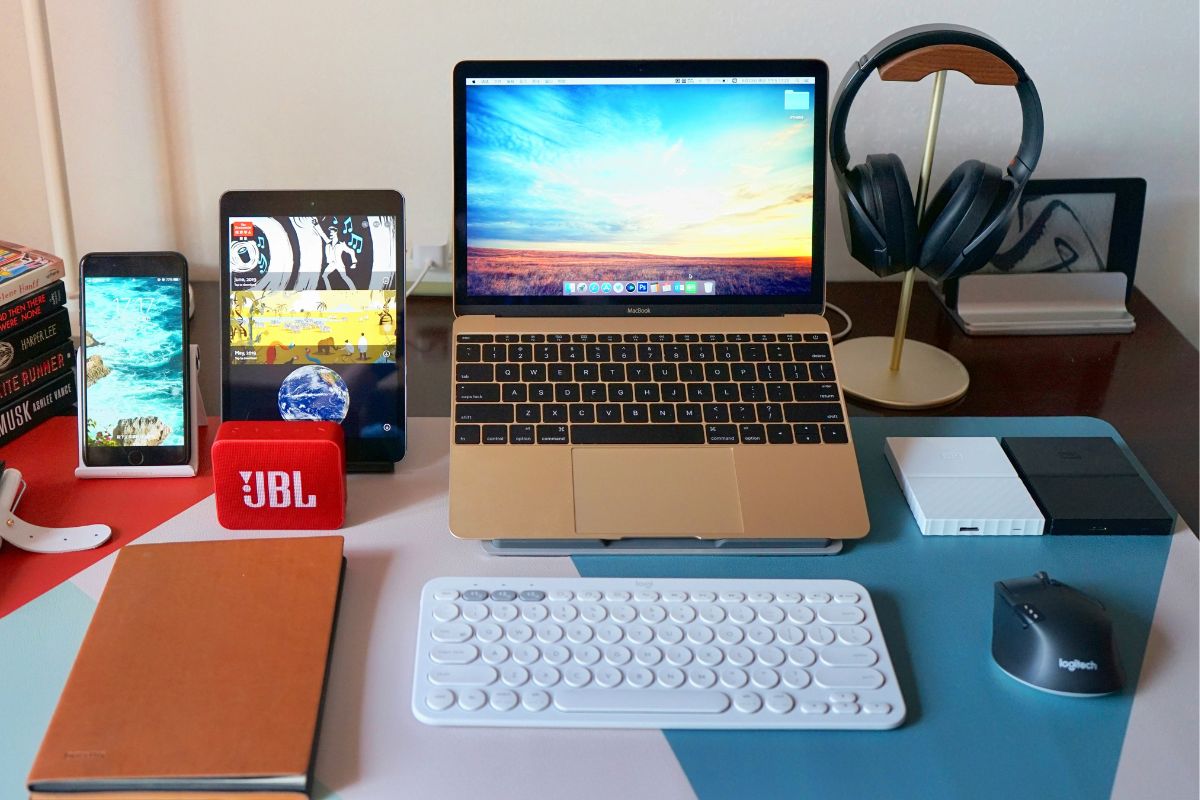
Device availability depends largely on individual Lifeline providers. (Image by Unsplash)
When considering “which is better for a student, tablet or laptop?”, it often comes down to the specific academic tasks required. While laptops are traditional for heavy word processing, tablets have become highly competitive due to their versatility and ease of use.
**3.2. List of Free/Discounted Tablets **
If the Samsung Chromebook 4 is unavailable or out of stock, you might want to explore alternative tablets. Tablets remain a dependable option for students for studying and working.
*Price and availability may vary depending on your location, current promotions, and device stock.
The application process has been designed to be entirely digital, allowing families to apply from home without visiting a physical location.
**Step 1: Verify Your Eligibility **
Before starting the formal application, you must determine if you meet the federal requirements as discussed above and prepare the necessary documents.
Then, you will be required to fill out a simple form with your basic information and upload any required documents to verify your eligibility. Accuracy is vital here to ensure your data matches the records held by the federal National Verifier.
Final Words
Gather your documents, verify your eligibility, and take the final step toward a more connected academic experience today.