
On This Page
Access to reliable internet and mobile devices can help households manage school, work, healthcare appointments, and everyday communication more efficiently. Eligible residents searching for a free tablet with EBT Georgia may qualify for discounted device programs and affordable wireless services through participating providers.
1. Can You Get a Free Tablet With EBT in Georgia?
**Yes. Eligible households in Georgia may qualify for discounted communication services and device offers through participating wireless providers in the Lifeline Program. **
Residents receiving SNAP benefits through EBT may also qualify for Lifeline, depending on current program guidelines and state availability. Lifeline benefits and a free tablet with EBT Georgia can help reduce communication costs for school, healthcare access, online services, and everyday connectivity needs.
2. How Georgia Families Commonly Use Tablets Today
Tablets are becoming part of everyday life for households managing school, work, communication, and online services. Portable devices with larger screens may also help families complete daily tasks more comfortably and efficiently.
- Online classes and schoolwork: Students may use tablets for virtual learning, homework assignments, educational apps, and school communication throughout the week.
- Telehealth and healthcare access: Families often use tablets for video appointments, health portals, prescription management, and online medical information.
- Job searches and remote tasks: Tablets may help users apply for jobs, send emails, attend interviews, and manage work-related activities online.
- Managing benefits and bills: Many households use tablets to check EBT balances, review account updates, pay bills, and access assistance programs.
- Entertainment and communication: Tablets are also commonly used for streaming videos, reading, social media, messaging, and staying connected with family members.

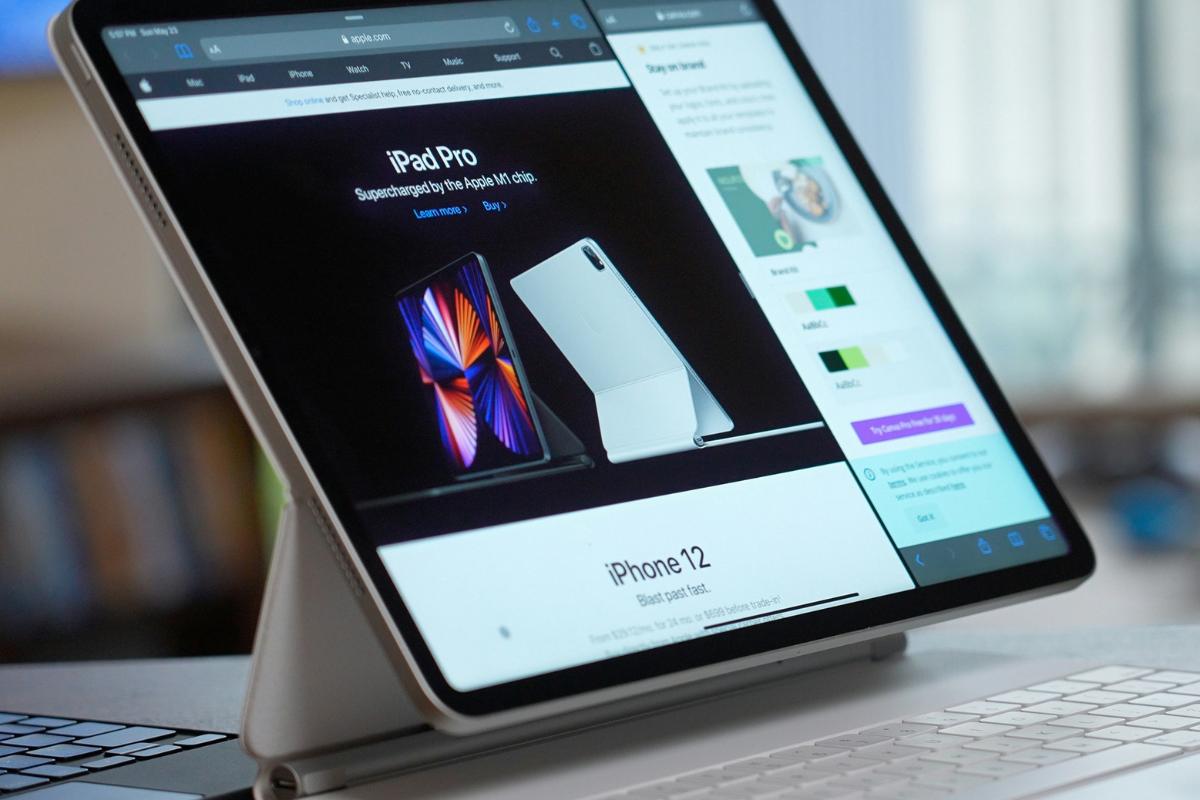
Tablets are becoming part of everyday life for households managing school, work, communication, and online services. (Image by Unsplash)
Step 1: Check Program Eligibility
If you already have an EBT card, it typically means you’re enrolled in the Supplemental Nutrition Assistance Program. Because SNAP is one of the qualifying programs for Lifeline, this may allow you to automatically meet the eligibility requirements for Lifeline-supported offers, such as free or discounted tablets, without needing to verify income separately.
If you do not currently receive SNAP/EBT benefits, you may still qualify through other approved programs like Medicaid or Supplemental Security Income. In some cases, households can also qualify based on income level, depending on state guidelines and provider requirements in Georgia.
Checking your eligibility in advance can help avoid delays during the application process. It’s also important to confirm that service is available in your ZIP code before moving forward with enrollment online.
Step 2: Prepare Your Documents
Most applications require basic verification documents before approval can be completed successfully. Common requirements may include proof of participation in a qualifying program or documents showing household income eligibility.
Preparing these documents ahead of time may help speed up online verification and reduce processing interruptions later. Clear uploads and accurate personal information can also help prevent unnecessary application delays.
Once available options are displayed, you can choose a plan that fits your communication needs. If you qualify, you may also have the option to select a tablet or device as part of the offer.
Device availability and pricing can vary based on your location, eligibility status, promotional periods, and current inventory. In some cases, tablets may be offered at a reduced cost rather than completely free.
Some examples of tablets that may be available (depending on availability) include:
- iPad Mini 4
- FOXXD C10 Pro
Step 4: Enter Personal Information and Upload Documents if Required
You can usually continue the online application by entering personal details such as full name, date of birth, residential address, and contact information. The enrollment process is generally designed to be simple and may only take several minutes, depending on eligibility review requirements.
In some cases, the system may automatically verify eligibility through connected government databases after the information is submitted. If verification cannot be completed automatically, applicants may be asked to upload supporting documents such as proof of SNAP participation or another qualifying assistance program, together with a valid government-issued ID.
Before submitting the application, applicants should carefully review all entered information and uploaded documents to help avoid delays during processing. After submission, the provider reviews eligibility details and verification documents before making a final approval decision.
If approved, the carrier typically sends shipping updates, activation instructions, and device information directly to the applicant. Delivery timelines may vary depending on provider inventory, verification status, and service area eligibility, although some approved applications may receive devices within approximately 7-10 business days.
4. Common Mistakes Applicants Make When Searching for Free Tablets
Searching for tablet assistance programs may feel overwhelming because eligibility rules, device offers, and provider requirements can differ by location. Learning about common application mistakes in advance may help households complete the process more accurately and avoid unnecessary approval delays.
Applying through Unofficial Websites
Some people accidentally submit personal information through unofficial websites that are not connected to approved wireless providers or government-supported programs. Searches related to free tablet with EBT Georgia may sometimes lead users to misleading promotions or websites requesting sensitive information without proper verification protections.
Checking provider details carefully before sharing documents may help households avoid scams or misleading promotions. Using trusted provider platforms can also reduce account verification problems and protect personal information more securely.
Uploading Incomplete Documents
Missing paperwork or unclear document uploads may delay application reviews and approval decisions. Common problems include blurry identification photos, incomplete proof of eligibility, or outdated supporting documents that cannot be verified properly.
Checking all uploaded files before submission may help reduce processing interruptions and avoid requests for additional verification later. Accurate information can often make the approval process faster and smoother.
Ignoring Provider Eligibility Requirements
Not every applicant automatically qualifies for device offers or Lifeline-supported communication services. Eligibility requirements may vary depending on income guidelines, participation in approved assistance programs, and provider availability within the service area.
Reviewing eligibility rules carefully before applying may help households understand what documents are required and whether services are currently available in their location. This may also reduce confusion during account verification.
Assuming Every Offer Includes Free Internet Service
Some applicants believe every tablet offer automatically includes unlimited internet access or free monthly data service. In reality, device promotions, service plans, and internet benefits may vary depending on provider rules and available program support.
Reading plan details carefully before enrollment may help households better understand what services are included with the approved device. Some offers may provide limited data plans, while others may require separate service activation or eligibility verification.
Final Words
Eligible households may benefit from affordable device programs that support online learning, healthcare access, work tasks, and everyday communication needs. Understanding application requirements, document preparation, and provider eligibility rules may help reduce delays during the approval process.