
On This Page
Access to reliable mobility support can make a major difference in daily life, especially for those managing limited budgets or essential travel needs. Many people are now looking into free transportation programs that help cover trips for medical care, work, or community services.
1. Is Free Transportation Available in the U.S.?
Yes, access to free public transit does exist in the United States, although it is not available everywhere.
Instead of a nationwide system, these programs are typically introduced at the city or regional level to support local communities. Several cities have adopted zero-fare policies, allowing residents to use buses or streetcars without paying, making daily travel more accessible.
Examples include Kansas City, which offers fare-free buses and streetcars, as well as Tucson and Richmond. Certain areas in Washington also provide similar programs. While many of these systems are relatively small, some larger cities like Boston have introduced fare-free bus routes, showing a growing effort to expand access to transportation.
2. Types of Free Transportation Programs Available
Transportation support in the U.S. comes in several forms depending on age, income level, health conditions, or local government policies. While availability varies by location, these programs are designed to improve access to essential travel without creating additional financial pressure.
Free Public Transportation Programs
Several cities across the United States have introduced fare-free transit systems to improve access to daily travel and reduce commuting costs for residents. Instead of paying for every ride, passengers in certain locations can use buses, streetcars, or local transit routes without purchasing tickets, making transportation more accessible for work, school, and everyday errands.
Cities such as Kansas City, Tucson, and Richmond are among the places that have implemented zero-fare public transit programs. Some areas in Washington and selected routes in Boston also provide similar services. Although many programs operate locally, they reflect a growing effort to expand affordable mobility options across different communities.
Free Transportation for Medical Appointments
Access to reliable transportation plays an important role in ensuring patients can attend medical visits without delays or missed care.
Many states offer support through Medicaid non-emergency medical transportation programs, which provide rides to doctor appointments, pharmacies, and treatment centers for eligible individuals. These services may include scheduled vans, public transit passes, or mileage reimbursement, depending on local availability.
Many people also ask, “Is there free transportation for Medicare patients**?**” While Original Medicare typically does not cover routine rides, some Medicare Advantage plans may include transportation benefits for approved healthcare visits.
Coverage varies by provider and location, so checking plan details is essential. These options help reduce barriers to care and make it easier for patients to manage their health consistently.
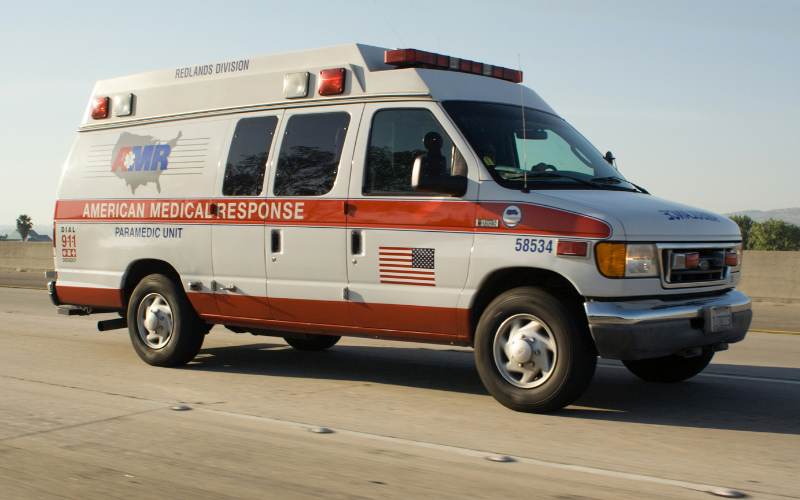
Some eligible people can qualify for free transportation. (Image by Unsplash)
Free Transportation for Senior Citizens
Many localities in the United States have implemented transport services that cater specifically to elderly individuals who may not be driving cars anymore or require further help in terms of transport facilities. Such initiatives can take the form of free shuttle services, discounts for public transportation cards, or even door-to-door transportation services for visits to hospitals, grocery shopping, and social events.
Transit services for seniors are usually run by either local transit authorities, non-profit organizations, or even senior centers and aim at making sure that elderly individuals remain physically active and maintain their independence within society.
3. Who Qualifies for Free Transportation?
Eligibility for transportation assistance depends on personal circumstances such as age, income, or health needs. Many programs are designed to support individuals who face challenges accessing reliable travel for essential daily activities.
Seniors
Older adults are one of the primary groups supported by transportation programs across the U.S. Many local transit systems offer reduced fares or free rides for seniors, especially those living on fixed incomes. Community-based services may also provide scheduled shuttles or door-to-door rides for errands, social activities, and healthcare visits.
Availability often depends on local funding and age requirements, typically starting at 60 or 65. These programs aim to help seniors maintain independence, stay socially connected, and access important services without relying on personal vehicles or costly alternatives.
Medicaid recipients
Medicaid provides transportation support for eligible individuals who need help getting to healthcare services but do not have another reliable way to travel. This benefit is known as Non-Emergency Medical Transportation (NEMT) and is designed to ensure patients can attend necessary appointments without transportation becoming a barrier.
Covered trips typically include visits to doctors, hospitals, pharmacies, and other Medicaid-approved providers. Depending on the state, services may involve arranged rides, public transit options, or reimbursement for travel costs. This support plays an important role in helping patients stay consistent with treatment and access essential medical care.
Veterans
Transportation support is available for eligible veterans who need assistance reaching healthcare services. Many programs are designed to reduce travel barriers and ensure consistent access to medical care, especially for those living far from VA facilities or managing ongoing health conditions.
Many people look for free transportation for Veterans to medical appointments, and the Department of Veterans Affairs provides several options. The Beneficiary Travel program may reimburse mileage or approved travel costs, while services like Veterans Transportation Service (VTS) and the Disabled American Veterans (DAV) network offer pre-arranged rides. These programs help veterans attend appointments reliably without added financial strain.
Individuals with disabilities
Transportation programs for individuals with disabilities are designed to improve accessibility and support daily independence. Many cities offer specialized services for those who cannot use standard public transit due to physical or medical limitations. These programs often include door-to-door rides, wheelchair-accessible vehicles, and flexible scheduling for essential trips such as medical visits or work.
Eligibility usually requires an application and verification process based on mobility needs. Once approved, users can access paratransit services or community-based transportation options. These solutions help reduce barriers, making it easier to attend appointments, complete daily tasks, and stay connected with the community.
4. Saving Money Beyond Transportation with A FREE Phone
Cutting transportation costs is a great start, but it’s not the only way to ease your monthly expenses. Phone and internet bills can also add up quickly, especially when you rely on them for work, navigation, or finding daily deals. Reducing this cost can give you more flexibility to manage essentials like fuel and commuting.
- Free talk
- Free text
- Free international calling
If you’re looking to apply, here’s a simple way to begin:
- Check eligibility based on income or participation in programs like Medicaid, SNAP, or SSI
- Prepare documents only if verification is required during the application process
- Choose a suitable plan and review device options if offered
- Complete the application by entering your personal information and uploading documents if needed
- Submit your application and wait for approval; delivery typically takes 7-10 business days with activation instructions included
Final Words
Access to free transportation can make daily life more manageable, especially when it helps reduce the cost of essential travel like medical visits, work, or community activities. With a variety of programs available, understanding your eligibility and using the right options can significantly ease financial pressure over time.