
On This Page
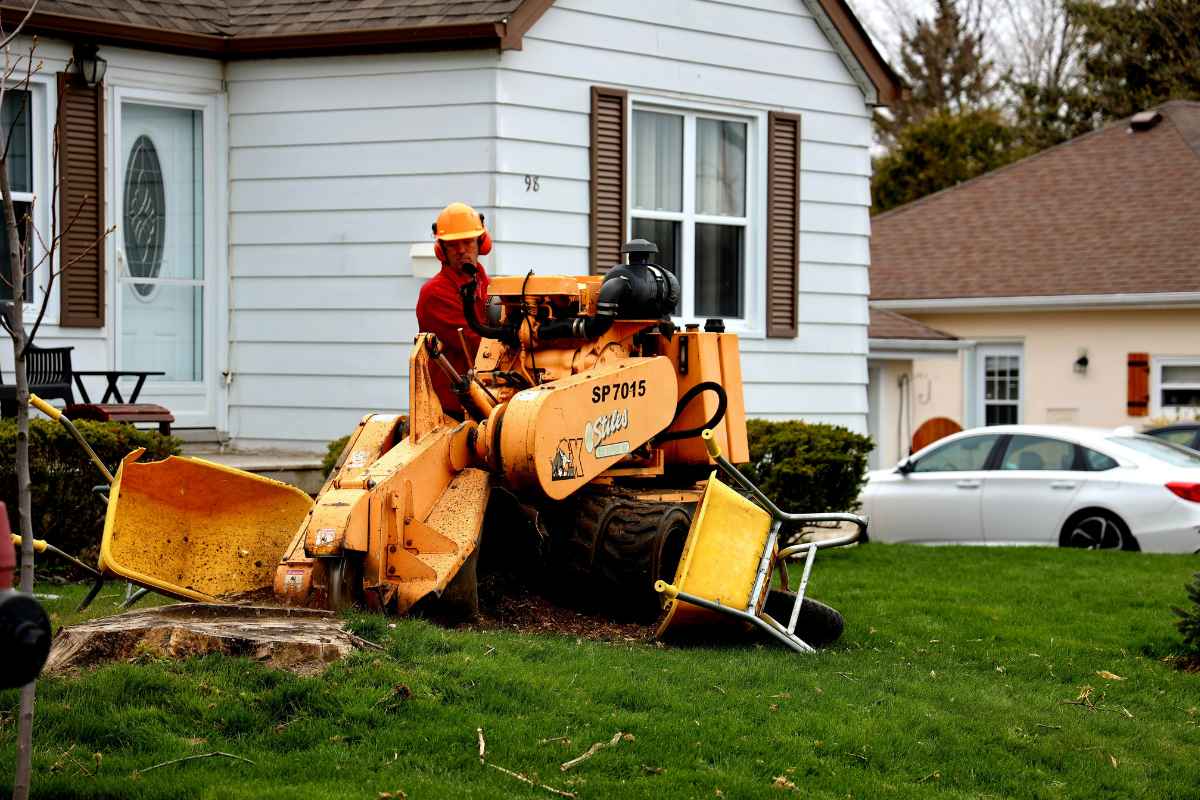
Searching for free tree removal options can be a smart way to handle hazardous or damaged trees without taking on major expenses. In some cases, local governments, utility companies, or community assistance programs may help cover removal costs when trees create safety risks or interfere with public services.
1. Can You Get Free Tree Removal?
In some situations, homeowners may qualify for free tree removal assistance when a tree becomes dangerous, unstable, or creates risks to nearby property and public infrastructure. Local governments and utility companies sometimes handle removals if falling branches threaten roads, sidewalks, or electrical lines, particularly after storms or severe weather events.
Cost-free removal may also be available through nonprofit support programs, senior assistance services, or community cleanup initiatives designed for low-income households.
Certain tree companies, woodworkers, or logging professionals may agree to remove trees without charging labor costs if the wood can be reused, sold, or processed for commercial value.
2. Free Tree Removal Programs That May Help Homeowners
Tree removal costs can become overwhelming when damage, safety risks, or severe weather create urgent problems around a property. Fortunately, some local programs and public services may help eligible homeowners reduce or completely avoid these expenses.
City & County Tree Removal Programs
Many cities and counties provide tree removal assistance when damaged or unstable trees create safety concerns near homes, roads, sidewalks, or public spaces.
These programs are often managed through local forestry departments, public works offices, or neighborhood improvement services focused on reducing environmental and structural hazards.
Support may be available after storms, during emergency situations, or for homeowners facing financial hardship. Some local governments also offer seasonal cleanup initiatives that help residents remove dangerous trees before they cause property damage or interfere with surrounding infrastructure.
Utility Company Tree Services
Utility companies may remove or trim trees that interfere with electrical lines, utility poles, or service equipment to reduce the risk of outages and fire hazards. These services are generally focused on public safety and infrastructure protection rather than cosmetic landscaping or routine yard maintenance.
Homeowners searching for free tree removal near me sometimes qualify for inspections when large branches grow too close to active power lines.
In some areas, assistance programs connected to local utility providers or community partnerships may also help older residents looking for free tree removal for seniors when hazardous trees create serious safety concerns around the property.
Disaster Cleanup Programs
Severe storms, hurricanes, floods, and strong winds can leave behind fallen or damaged trees that create immediate safety risks for homeowners. In these situations, disaster cleanup programs may provide temporary assistance to help remove hazardous trees blocking driveways, damaging homes, or threatening nearby structures.
Support is often coordinated through local emergency agencies, nonprofit organizations, volunteer groups, or disaster recovery programs activated after major weather events.
Because assistance is usually limited and prioritized based on urgency, documenting damage quickly and contacting local recovery services early can improve the chances of receiving help.
3. How to Know if a Tree Qualifies for Free Removal
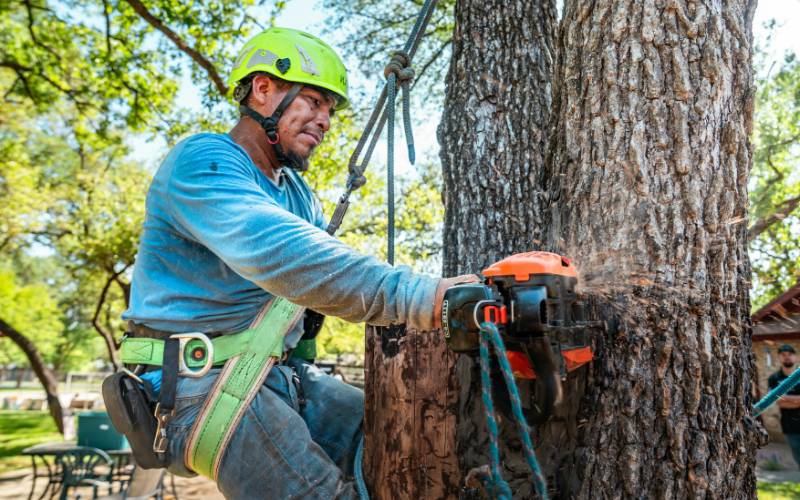
Some signals show that a tree can be removed. (Image by Unsplash)
Some trees are more likely to qualify for free removal if they create safety risks or threaten nearby property and utilities. Local programs and utility companies often prioritize hazardous situations that require urgent attention.
- Dead trees: Trees with severe decay, peeling bark, or no healthy leaves may be considered dangerous and qualify for assistance.
- Leaning trees: A tree leaning heavily after storms or soil movement may indicate instability and a higher risk of falling.
- Trees touching power lines: Trees near electrical lines are a major safety concern and are often handled by utility companies.
- Storm-damaged trees: Cracked trunks, broken limbs, or partially fallen trees after severe weather may qualify for emergency removal support.
4. Many Assistance Programs Are Easier to Find Online
Many local assistance programs, emergency cleanup services, and utility company resources now share updates primarily through websites and online application systems.
Having internet access makes it easier to compare eligibility requirements, check availability in your area, submit requests quickly, and contact support services without visiting multiple offices in person.
Programs like the Lifeline Program can help eligible users maintain reliable mobile access during stressful situations by reducing the cost of phone and internet services.
- Check eligibility based on income or participation in qualifying programs such as Medicaid, SNAP, or SSI
- Prepare proof of income or program participation
- Choose an available plan and review device options offered in your area
- Complete the application and upload documents if additional verification is requested
- Submit the application and wait for approval and delivery, which typically takes 7-10 business days
5. FAQs about Free Tree Removal
Tree removal assistance programs often come with different rules depending on location, safety concerns, and property conditions. Understanding how these services work can help homeowners make better decisions and avoid unnecessary costs.
Where can I find free tree removal near me?
Local governments, nonprofit organizations, utility companies, and disaster recovery programs are common places to check for tree removal assistance. Searching city websites, public works departments, or community support programs online can help you identify services available in your area more quickly.
What trees qualify as hazardous?
Trees are generally considered hazardous when they are dead, severely damaged, leaning dangerously, or at risk of falling onto homes, roads, sidewalks, or power lines. Large cracked branches, root damage, and storm-related instability are also common warning signs that may qualify a tree for emergency removal assistance.
Will utility companies remove trees for free?
Utility companies may remove or trim trees if they interfere with active power lines or create electrical safety risks. In most cases, the company determines whether the tree qualifies for free service based on location, accessibility, and the level of danger to public infrastructure.
6. Final Words
Handling dangerous or damaged trees can become expensive without the right support. Exploring local programs and emergency assistance options may help reduce the cost of free tree removal for eligible homeowners.