

On This Page
Currently, many smartphones are capable of using dual SIM technology, which enables a smartphone to handle two different mobile numbers or carrier plans simultaneously. Due to this flexibility, many people look for information on how does a dual SIM phone works when looking for a smartphone to use for travel, business, or personal purposes.
1. What Is a Dual SIM Phone?
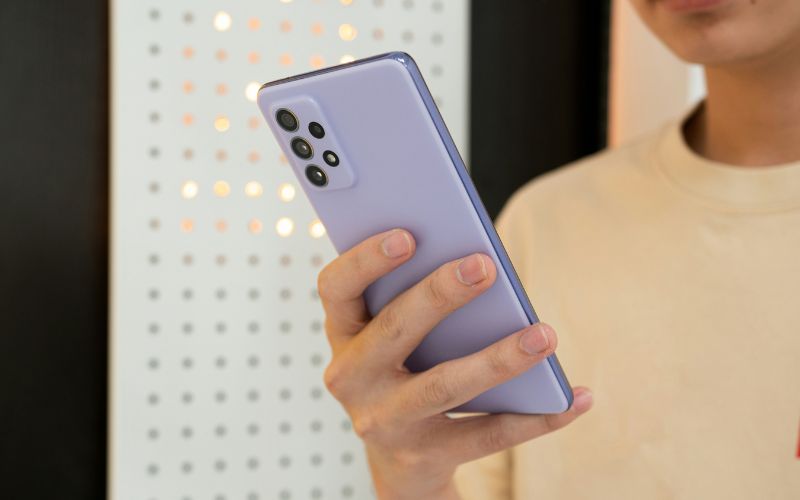
A dual SIM phone is a smartphone designed to support two SIM profiles on a single device. Depending on the model, the phone may use **two physical SIM cards or a combination of a nano-SIM and **an eSIM.
This technology allows the device to connect to two different mobile networks at the same time, making it possible to manage two phone numbers, carriers, or service plans without carrying multiple phones.
Dual SIM functionality provides several advantages for everyday phone use. Many users choose this feature to improve flexibility when managing mobile communication and connectivity.
- Separate work and personal numbers on one device
- Use two different carriers for better network coverage
- Save money by combining different mobile plans
- Add a local SIM while traveling without removing your main number
- Switch between data plans depending on signal strength or cost
2. How Does a Dual SIM Phone Work?
Dual SIM phones allow one device to manage two mobile connections at the same time. This feature provides flexibility for users who want to handle multiple numbers, carriers, or service plans without carrying two phones.
Two SIM Cards, One Device
A dual SIM phone contains two SIM profiles that can operate within the same device. In most models, both SIM cards remain active in standby mode, meaning each number can receive calls or messages while the phone is idle. When one SIM is being used for a call, the other may temporarily pause until the call ends.
Switching Between SIM Cards
Users can choose which SIM card to use for different communication tasks. When making a call, sending a message, or using mobile data, the phone usually provides an option to select the preferred SIM. This flexibility helps explain how does a dual SIM phone work, since the device allows users to switch between two mobile numbers depending on their needs.
Network Connection Management
Dual SIM phones also manage network connections intelligently. In many cases, one SIM card is set as the primary data connection, while both SIM cards remain available to receive calls and messages. This setup allows users to take advantage of different carrier plans while maintaining reliable connectivity on a single device.
3. How to Set Up Dual SIM on a Smartphone
Four main steps to set up dual SIM on a smartphone. (Image by Unsplash)
Setting up dual SIM on a smartphone usually takes only a few minutes and can greatly improve flexibility in managing mobile connections. Once the SIM profiles are configured correctly, the phone can handle two numbers, two carriers, or a mix of SIM and eSIM services.
Step 1: Insert the SIM Cards or Activate eSIM
Start by inserting the two SIM cards into the phone’s SIM tray or activating an eSIM profile if the device supports it. Some phones use two physical nano-SIM cards, while others allow a combination of one nano-SIM and one eSIM. This setup is the foundation of how does a dual sim phone work, because it enables the device to connect to two separate mobile networks.
Step 2: Open Cellular or SIM Settings
After installing the SIM cards, open the phone’s Cellular, Network, or SIM management settings. This section allows the device to detect both SIM profiles and display information such as carrier names, signal strength, and connection status.
Step 3: Assign SIM Labels
Most smartphones allow users to rename each SIM card to make identification easier. For example, one SIM can be labeled “Work” while the other may be labeled “Personal” or by the carrier name. Clear labels help prevent confusion when selecting which number to use for calls or messages.
Step 4: Choose Default SIM for Data and Calls
Finally, select the preferred SIM card for mobile data, voice calls, and text messages. Many phones allow users to set one SIM as the default for data while still providing the option to switch when making calls. This configuration helps the device manage both networks efficiently while maintaining stable connectivity.
4. Dual SIM Phones Are Great, But the Right Plan Matters Too
Many people explore dual SIM phones because they want more flexibility with their mobile service. While the device allows you to manage two numbers or carriers, choosing the right mobile plan is equally important to ensure reliable connectivity, affordable service, and sufficient data for everyday use.
In the United States, some households may qualify for more affordable wireless service through the Lifeline Program, a federal assistance program supported by the FCC.
Lifeline was created to help eligible low-income consumers stay connected by providing a monthly discount on phone or internet service through participating wireless providers.
- Unlimited talk and text every month
- Up to about 16 GB of high-speed data, depending on plan and location
- Free SIM card or digital eSIM activation for compatible devices
- Discounted or free smartphone offers for eligible customers
*Prices may vary depending on availability, location, and time of application.
5. Final Words
Dual SIM technology allows smartphone owners to have more flexibility in their communication. By knowing how does a dual SIM phone work, you can easily manage two numbers, switch between networks, and choose which network to use for calls and data, all in one smartphone. This feature is very helpful for work, travel, or even for personal and business use.