
On This Page
Planning a trip abroad often involves complex logistics, but staying connected shouldn’t be one of them. Many travelers find themselves wondering how does a SIM card work for international travel.
Understanding this technology is key to avoiding expensive roaming fees and ensuring reliable access to maps and translation apps. By swapping your domestic chip for a travel-ready version, you can enjoy local rates and seamless data.
This guide breaks down everything from network switching to maintaining your favorite messaging apps while overseas.
1. How Does a SIM Card Work for International Travel?
By switching to a local or roaming-enabled chip, you avoid high costs while accessing foreign networks. Here’s what to know if you want to know how does a SIM card work for international travel.
What is a SIM Card and How Does It Function Internationally?
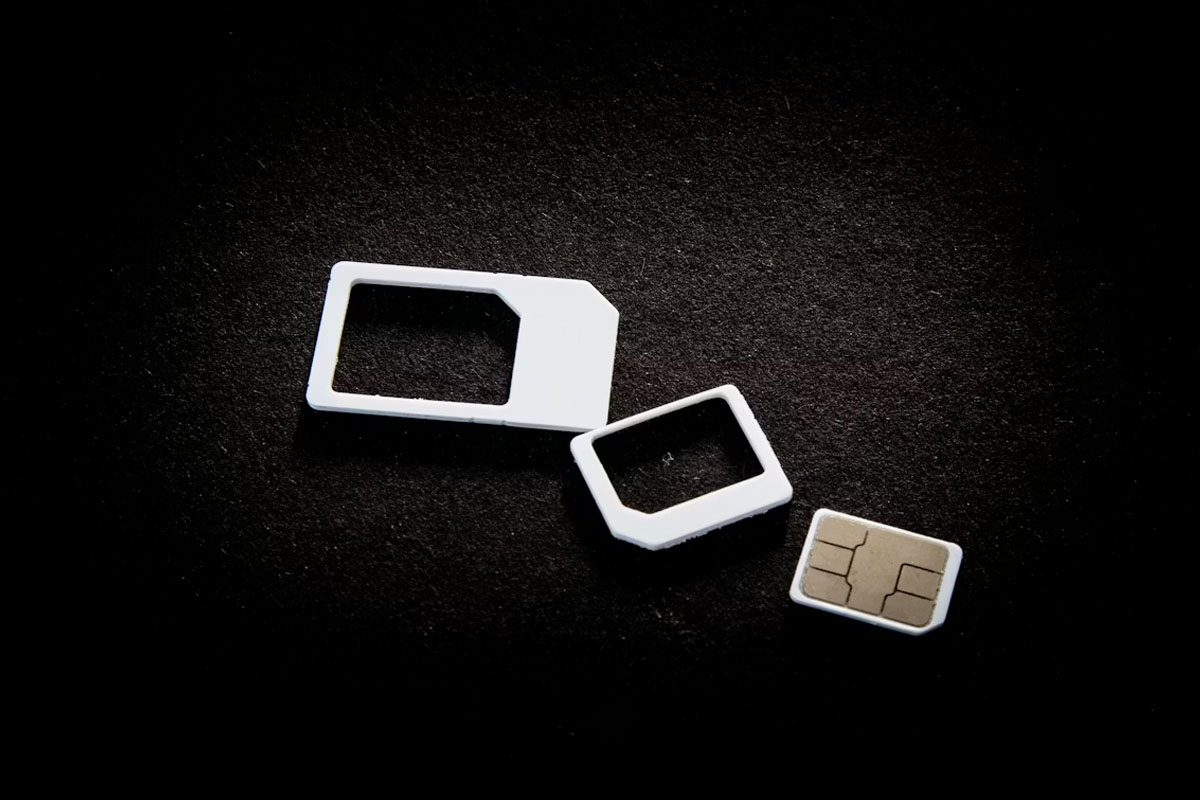
A SIM (Subscriber Identity Module) card is a tiny chip that stores your international mobile subscriber identity (IMSI) and authenticates your device on a cellular network.
A compatible SIM allows your phone to connect to local towers abroad through roaming agreements or local carriers. This process ensures you can make calls, send texts, and use mobile data just like you do at home.
Benefits of specialized travel SIMs
Specialized travel SIMs offer a cost-effective alternative to standard roaming, providing significantly lower data rates and local calling plans across multiple countries.
These cards are designed for global compatibility, often allowing travelers to maintain one phone number while hopping between borders. They eliminate the “bill shock” of unexpected roaming fees and provide the convenience of immediate connectivity the moment you land, without the hassle of searching for a local vendor in every new city.
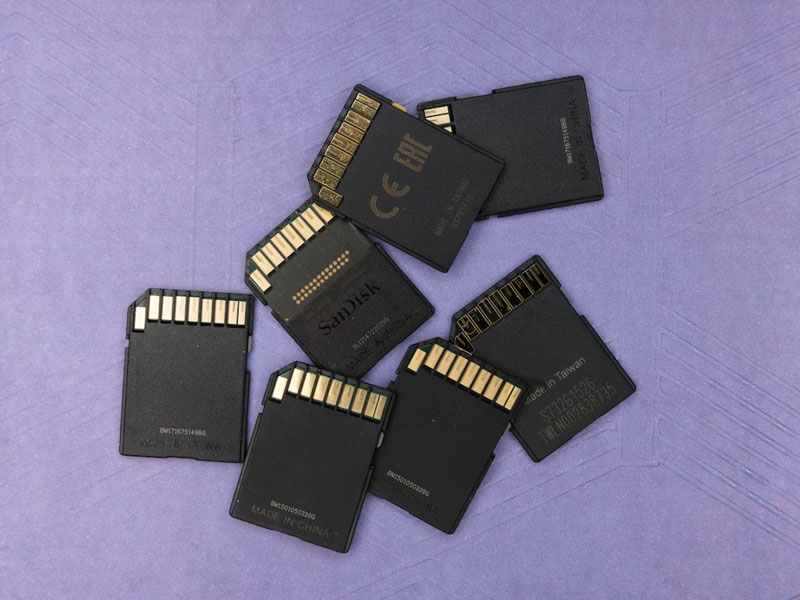
How does a SIM card work for international travel? (Image by Unsplash)
2. What Happens When You Put an International SIM Card in Your Phone?
Knowing how a SIM card works for international travel is key to staying connected. When you swap in a compatible SIM, your phone connects to local cellular towers, giving you access to that region’s network and often helping you avoid expensive roaming fees.
Automatic network switching
Once inserted, the SIM identifies your device to the local or regional mobile provider. The network then grants you access to its voice and mobile data services, usually without the high charges associated with home‑carrier roaming.
Access to local rates
Using an international‑travel SIM or a local SIM replaces your home‑carrier service with the foreign provider’s pricing. This means you typically pay local or region‑specific rates for calls, texts, and data, which are usually more affordable than roaming.
Maintaining your connectivity
Your phone continues to function normally, though you may receive a new temporary number (depending on the SIM). You can still use internet-based apps like WhatsApp or Maps, keeping you navigate-ready and in touch with home while abroad.
3. Does an International SIM Card Change Your Phone Number?
When you swap your physical SIM, your phone number changes to the one assigned by the local or international provider. However, your device’s apps and settings generally stay the same.
A SIM card for international travel allows your phone to connect to foreign mobile networks so you can make calls, use data, and send messages while abroad.
New local number assignment
Inserting an international SIM replaces your primary number with a new regional one. This allows you to make local calls and texts at domestic rates, though your regular contacts won’t reach you via your old number.
Fortunately, apps like WhatsApp and iMessage are often tied to your original phone number and may prompt you to confirm whether you want to keep using that identity. This means you can still chat with friends using your usual account, even while browsing over the new SIM’s data connection.
Dual SIM and eSIM flexibility
If your phone supports dual‑SIM or eSIM, you can keep your home SIM active alongside your international one. This allows you to receive important security texts or calls on your main number while using travel data.
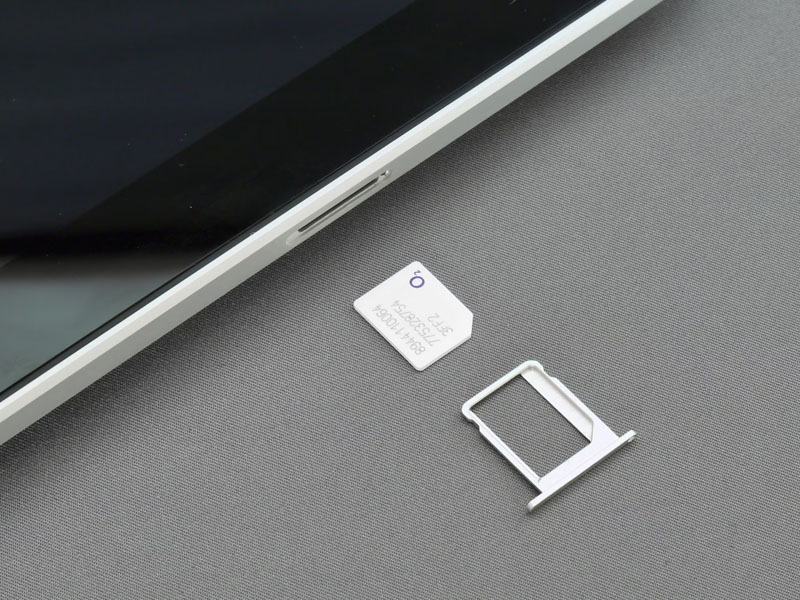
You can keep your home SIM active alongside your international one if your phone supports eSIM (Image by Unsplash)
Lifeline is a government assistance program that helps eligible low-income consumers access affordable phone and internet services. Through the Lifeline initiative, qualified households can receive discounted or free wireless service, with one benefit per household.
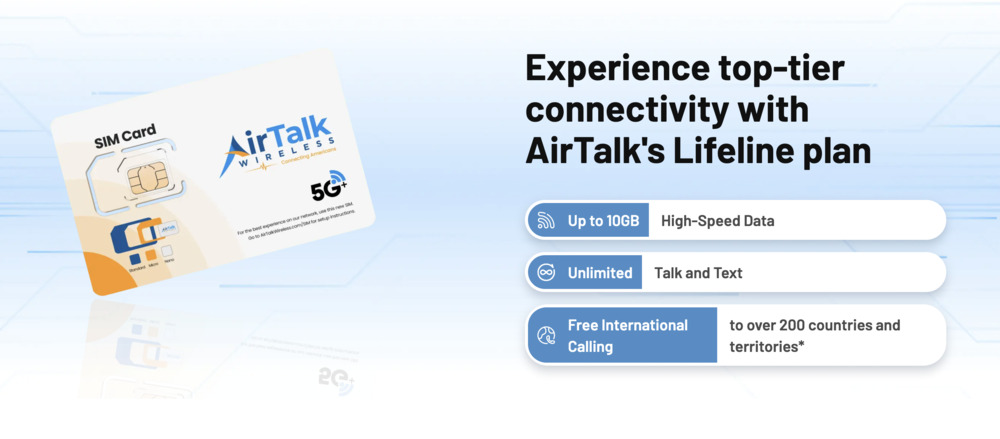
**Step 2: **Choose your plan that suits your needs. Every plan includes free international calling.
Alternatively, if you prefer to keep your current phone, you can opt into the Bring Your Own Device (BYOD) program and receive a free SIM card with service.
**Step 3: **Complete the online form with your personal details and upload your proof of eligibility.
5. Top Tips for Using an International SIM Card Safely
Using an international SIM card or eSIM is a great way to stay connected while abroad. However, it also requires basic security precautions to protect your data and device while traveling.
- **Enable a SIM PIN: **Protect your SIM card by setting a four-digit PIN through your phone’s security settings. This prevents anyone from using your SIM card for calls or data in another device if your phone is lost or stolen.
- **Store Your Home SIM Securely: **If you remove your original SIM card, store it in a dedicated SIM card case, a small envelope, or taped to a backup card inside your wallet. Avoid losing it, as it is often linked to your bank and two-factor authentication (2FA) accounts.
- **Use a VPN on Mobile Networks: **Even when using a local SIM, your data travels over foreign infrastructure that may be less secure. Use a Virtual Private Network (VPN) to encrypt your internet traffic and protect sensitive transactions from interception.
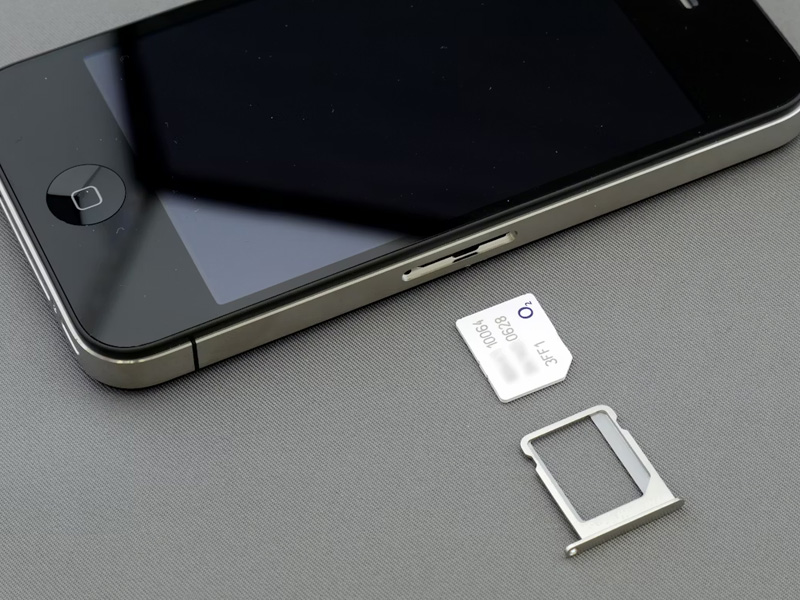
Tips for using an international SIM card safely (Image by Unsplash)
6. Frequently Asked Questions
What happens when you put an international SIM card in your phone?
When you insert an international SIM, your phone disconnects from your home carrier and searches for local cellular towers. It identifies your device as a guest or local user on a partner network, granting you access to local data, text, and voice rates instead of expensive international roaming charges.
Does an international SIM card change your phone number?
Yes, a physical international SIM card comes with its own unique phone number assigned by the local or global provider. While this means your primary number won’t receive direct calls or SMS, your apps (like WhatsApp) can usually keep your original identity.
Can I keep my original number for security texts while traveling?
If your phone supports Dual SIM or eSIM technology, you can keep your home SIM active to receive 2FA security codes while using an international SIM for your primary data needs.
Is it better to use a local SIM or a specialized travel SIM?
A local SIM often provides the cheapest rates but requires finding a vendor in each country. A specialized travel SIM is more convenient for multi-country trips, as it works across various borders with a single setup.
Final Words
Navigating foreign networks becomes simple once you understand** “how does a SIM card work for international travel**?”. Whether you choose a physical local chip or a specialized travel SIM, the right setup ensures you stay connected without “bill shock.”
By following basic security tips like enabling a SIM PIN, you can travel with confidence and keep your digital life secure across every border.