
On This Page
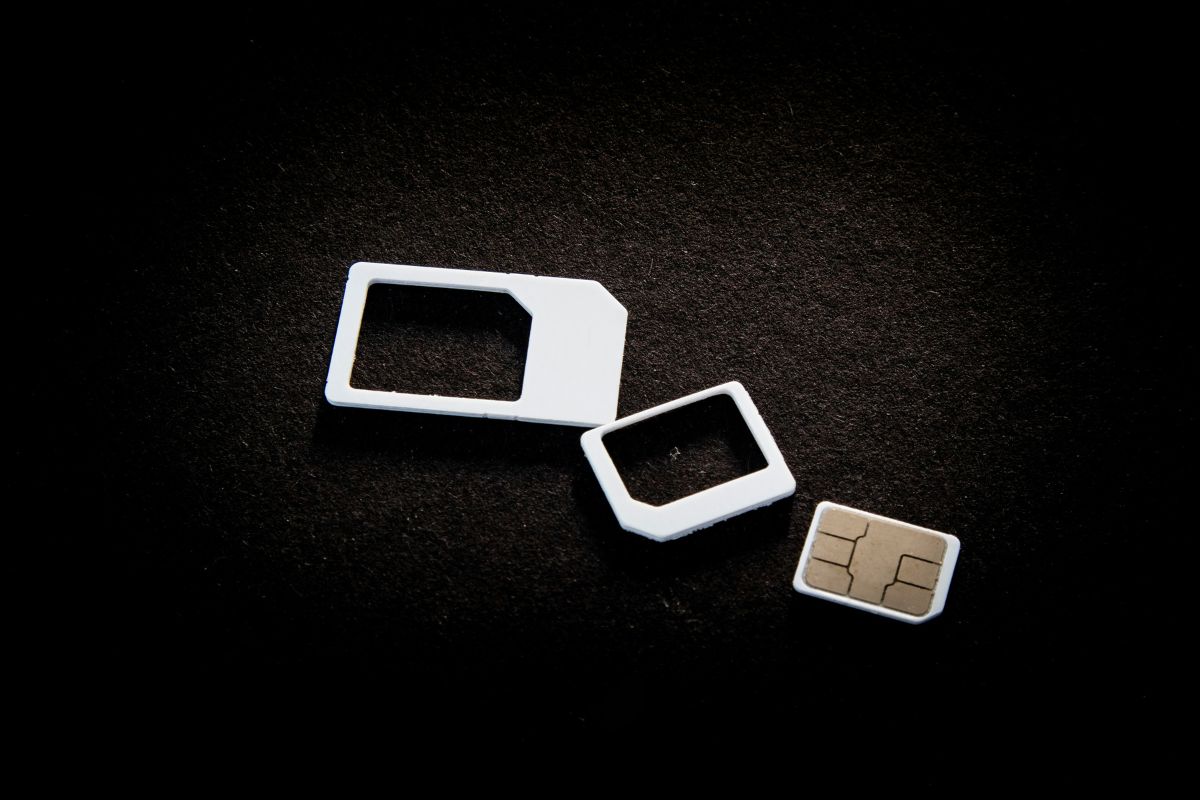
A SIM card (Subscriber Identity Module) is a small chip inside a phone that connects the device to a mobile carrier’s network. It stores information such as your phone number and carrier credentials, allowing the phone to make calls, send texts, and access mobile data.
1. How Does a SIM Card Work for International Travel?
When traveling abroad, your phone still needs a way to connect to a cellular network in the destination country. SIM cards and eSIM technology allow your device to communicate with foreign carrier networks so you can continue making calls, sending messages, and accessing mobile data.
International Roaming
International roaming allows your U.S. carrier to connect your phone to a partner network in another country.
When roaming is enabled, your SIM card authenticates with the foreign network through agreements between carriers. This lets you keep using your existing phone number for calls, texts, and data while traveling, although roaming fees may apply depending on your carrier’s plan.
Switching to a Local SIM Card
Another option is to insert a SIM card from a local carrier in the country you are visiting.
After replacing your U.S. SIM with the local SIM, your phone connects directly to that carrier’s network and uses the number assigned to the new card. Many travelers choose this option because local SIM cards often offer lower data costs and better coverage within the destination country.
Using eSIM for International Travel
Many modern smartphones support eSIM, which allows travelers to activate a temporary international data plan digitally. Instead of physically swapping SIM cards, the phone downloads a carrier profile by scanning a QR code or installing a plan through an app.
This option can be especially convenient because travelers can keep their original SIM active while using an additional eSIM for international data.
2. How to Prepare Your Phone for International Travel
Preparing your phone before traveling internationally can help avoid connectivity issues and unexpected charges. By checking a few important settings and service options in advance, you can ensure that your device stays connected while abroad.
Step 1: Check if Your Phone Is Unlocked
Before traveling, you should confirm that your phone is unlocked and not restricted to a single carrier. An unlocked phone can accept SIM cards or eSIM profiles from other mobile providers around the world. If the device is locked, contacting your carrier to request unlocking may be necessary before using another SIM internationally.
Step 2: Confirm Network Compatibility
Travelers should also verify that their phone supports the network bands and technologies used in the destination country. Different regions may use different cellular frequencies, and not all phones support every network. Checking compatibility helps ensure the device can connect to local networks once you arrive.
Step 3: Compare International Data Options
Before leaving, it is helpful to compare different connectivity options such as international roaming, local SIM cards, or eSIM plans.
Understanding how does a SIM card work for international travel can help travelers decide whether to keep their home carrier plan or switch to a temporary option abroad.
Step 4: Back Up Important Information
Finally, backing up important information on your phone is a good precaution before traveling. Saving contacts, photos, and documents to a cloud service or external backup ensures that important data remains safe even if the phone is lost, damaged, or reset during the trip.
3. How To Claim a Free SIM with International Calling Included
Step 1: Verify Your Eligibility First
The first step is to confirm whether you qualify for the Lifeline assistance program. This eligibility check can be done through the official Lifeline eligibility system or through a participating provider’s application process.
Many applicants qualify through programs such as Medicaid, SNAP, SSI, Federal Public Housing Assistance, while others may qualify based on household income. Preparing documents such as a benefits letter, income statement, or identification in advance can make the process faster.
Step 2: Apply Online With a Trusted Lifeline Provider
Depending on eligibility and availability, applicants may be able to select a mobile plan, choose a free device, and receive a SIM card or eSIM activation.
Step 3: Choose a Plan With International Calling
During the application process, applicants can review the available mobile plans offered by the provider.
Step 4: Enter Personal Information And Documents
Next, the application will ask for basic personal information to verify identity and eligibility. Applicants typically provide details such as full name, home address, date of birth, and the last four digits of their Social Security number.
If the system cannot automatically verify eligibility, the applicant may be asked to upload supporting documents, such as proof of program participation or proof of household income.
Step 5: Complete the Application and Wait for Delivery
After filling out all required fields, applicants should review the information carefully and submit the application for approval. Once approved, the provider will prepare the device and SIM activation package.
4. FAQs About SIM Cards for International Travel
Common FAQs about SIM cards for international travel. (Image by Unsplash)
When preparing a phone for international travel, many people have questions about how SIM cards and mobile networks work abroad. The answers below explain several common concerns and can help travelers choose the best connectivity option for their trip.
Can I use my U.S. SIM card in another country?
Yes, many U.S. SIM cards can work internationally through roaming services offered by the carrier. When roaming is enabled, the phone connects to partner networks in the destination country so you can continue making calls, sending texts, and using data. However, roaming charges can sometimes be expensive, so some travelers prefer using a local SIM card or eSIM plan.
Do I need to unlock my phone for international SIM cards?
In most cases, a phone must be unlocked to use SIM cards from different carriers in other countries. If the phone is locked to a specific carrier, it may only work with that provider’s network and roaming partners. Contacting the carrier before traveling can help confirm whether the device is unlocked.
Is eSIM better than a physical SIM for travel?
eSIM can be more convenient for international travel because it allows users to activate a mobile plan digitally without swapping physical SIM cards. Travelers can download a new carrier profile by scanning a QR code or installing a plan through an app. However, physical SIM cards are still widely used and may be easier to purchase locally in some destinations.
Will my phone number change when I use a local SIM?
Yes, when you insert a local SIM card, the phone typically uses the number assigned to that SIM. This means your original phone number may not receive calls or texts while the local SIM is active. Some travelers keep their primary number available by using dual SIM or eSIM features on compatible smartphones.
5. Final Words
Planning ahead can make international connectivity much easier. When you understand how does a SIM card work for international travel, it becomes simpler to decide whether to use roaming, switch to a local SIM, or activate an eSIM before your trip. Each option can help you stay connected for navigation, communication, and online services while abroad. Choosing the right mobile provider also matters for reliable coverage.