
On This Page
If you rely on breathing treatments, you may be asking, how often will Medicaid pay for a nebulizer? Coverage is not unlimited, and replacement rules vary depending on whether you need the machine itself or just supplies such as tubing and masks.
**Medicaid may cover a nebulizer when it is medically necessary and prescribed by a qualified provider. **However, the frequency of replacement depends on state-specific durable medical equipment policies and documented medical need. In this guide, we explain when Medicaid pays for a nebulizer, how often replacement is allowed, and what you should know before requesting a new device or supplies.
1. Can Medicaid Pay for a Nebulizer?
Yes, **Medicaid can pay for a nebulizer in many cases, but only when it is medically necessary and prescribed by a qualified healthcare provider. **A nebulizer is typically classified as durable medical equipment, which means it must meet state Medicaid criteria for coverage.
For Medicaid to approve a nebulizer, the device must be required to treat a diagnosed respiratory condition such as asthma, chronic obstructive pulmonary disease, or other lung disorders. A provider must document that nebulized medication is necessary and that alternative treatments, such as inhalers, are not sufficient.
Coverage rules vary by state, and some states may require prior authorization before approving the machine. Medicaid will usually only cover the nebulizer if it is obtained through an enrolled supplier. Purchasing one independently without prior approval may result in denial of reimbursement.
2. How Often Will Medicaid Pay for a Nebulizer?
Medicaid does not replace nebulizers on demand. Replacement is typically based on medical necessity and standard useful lifetime guidelines established under state DME policies.
In many states, the standard useful lifetime for a nebulizer machine is approximately five years. This means Medicaid will generally not approve a new machine unless:
- The existing device is no longer functioning
- The device is beyond its reasonable repair life
- A provider documents that replacement is medically necessary
If the machine breaks before the expected lifetime, Medicaid may first require evaluation and possible repair rather than automatic replacement. Documentation from the supplier and prescribing provider is often required.
Because Medicaid is administered by each state, exact replacement intervals may vary slightly, but the five-year useful lifetime rule is common across many programs.
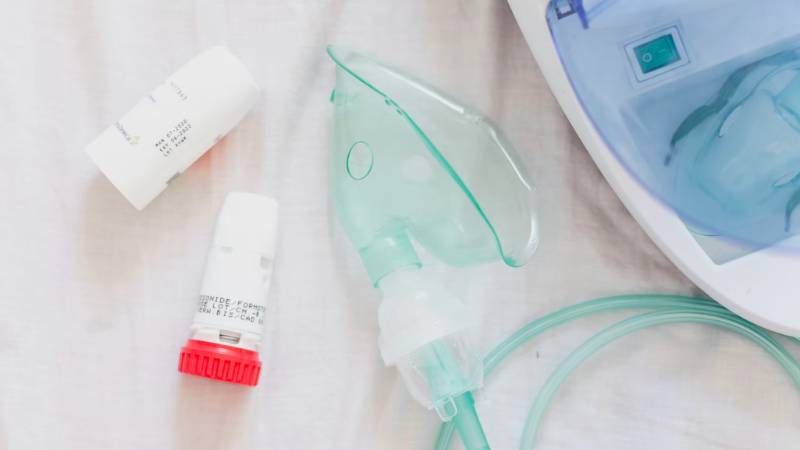
How often will Medicaid pay for a nebulizer? (Image by Unsplash)
»> Also read: Does Medicaid Cover TB Test Costs? Coverage Rules, Exceptions, and Pricing Explained
3. Who Qualifies for a Medicaid-Covered Nebulizer?
Eligibility for a Medicaid-covered nebulizer depends on both Medicaid enrollment and medical necessity.
To qualify, an individual generally must:
- Be actively enrolled in Medicaid
- Have a diagnosed respiratory condition requiring nebulized medication
- Receive a prescription from a Medicaid-approved provider
- Obtain the device through a Medicaid-enrolled durable medical equipment supplier
Children and adults may both qualify if clinical documentation supports the need. In some cases, especially for long-term respiratory conditions, providers may need to submit additional medical records explaining why the nebulizer is essential for ongoing treatment.
Approval is not based solely on diagnosis. Medicaid must determine that the nebulizer is necessary for effective treatment and meets durable medical equipment standards under state policy.
4. Nebulizer Machine vs Supplies: Replacement Timelines Explained
Understanding how often will Medicaid pay for a nebulizer requires separating two things: the nebulizer machine itself and the disposable supplies used with it. Medicaid treats these differently under durable medical equipment rules.
How Often Medicaid Pays for the Machine Itself
For the nebulizer machine itself, Medicaid usually covers:
- One base unit within the useful lifetime period
- Repairs when cost-effective
- Replacement only if repair is not practical or the unit exceeds its lifespan
If you request a new machine before the allowed replacement period, Medicaid will typically deny coverage unless there is documented damage, malfunction, or significant medical change.
Prior authorization may be required for replacement requests.
How Often Medicaid Pays for Tubing, Masks, and Medication Cups
Supplies are handled differently from the machine. Tubing, masks, and medication cups are considered consumable items and must be replaced more frequently for hygiene and safety reasons.
Many state Medicaid programs follow schedules similar to:
- Tubing and connectors: every 1–3 months
- Masks or mouthpieces: every 3–6 months
- Medication cups: monthly or as medically necessary
These timelines may vary by state policy and supplier guidelines, but supply replacement cycles are typically much shorter than machine replacement intervals.
Why Supply Replacement Cycles Are Shorter
Nebulizer supplies are exposed to moisture and medication residue. Over time, buildup can reduce treatment effectiveness and increase infection risk.
For this reason, Medicaid generally allows more frequent replacement of disposable components than the main device. Providers may also adjust replacement frequency if a patient has increased medical needs or documented complications.
Following the approved replacement schedule helps ensure effective treatment while remaining within Medicaid coverage rules.
4. Explore Extra Benefits with Medicaid
When people think about Medicaid, they often focus only on doctor visits, prescriptions, or medical equipment like nebulizers. However, Medicaid enrollment can also connect you to additional support programs that help stabilize daily life, especially if you manage a chronic condition.
One important connection is the Lifeline program. Medicaid participation is one of the recognized eligibility pathways for Lifeline, which provides a monthly discount on phone or internet service for qualifying low-income households. You do not need to apply separately based on income again if you can verify active Medicaid enrollment.
- A free phone, depending on available models and state inventory
- Free monthly talk and text
- Free monthly data
- Upgrade options at discounted pricing

For individuals who rely on breathing treatments, reliable phone access can be critical. You may need to coordinate with your doctor about prescription refills, confirm DME supply shipments, respond to prior authorization requests, or contact your Medicaid managed care plan. Missed calls can delay medication access or equipment replacement.
While these communication benefits do not change how often Medicaid will pay for a nebulizer, they can make it easier to manage ongoing care and avoid treatment interruptions.
Conclusion
The answer to “how often will Medicaid pay for a nebulizer” depends on two separate factors: the useful lifetime of the machine and the replacement schedule for disposable supplies. In many states, the nebulizer unit itself is covered once within a multi-year period unless it becomes irreparable, while tubing, masks, and medication cups are replaced more frequently due to hygiene and safety standards.
Because coverage rules vary by state and may require prior authorization, confirming your Medicaid DME policy before requesting replacement is the most reliable way to prevent delays and out-of-pocket costs.
Related SenGov Guides
- Does Medicaid Cover Genetic Testing While Pregnant? Critical Coverage Rules Every Expecting Mom Should Know 2026
- Can You Charge a Medicaid Patient a No Show Fee? Critical Federal and State Rules Explained in 2026
- Does Medicaid Cover Couples Therapy and Family Counseling 2026: Rules You Should Know
- Pregnancy Medicaid Explained: Income Limits, Coverage Rules, and Postpartum Benefits You Should Know 2026