
On This Page
Applying for SNAP benefits can feel confusing at first, especially for people using the program for the first time. Knowing how to apply for EBT card services may help eligible households access food assistance more smoothly and avoid common application delays.
1. Who Can Apply for an EBT Card?
SNAP benefits are designed to support households struggling with food costs and limited financial resources. Eligibility is usually based on income, household size, and available assets, although exact rules may vary slightly by state.
Low-Income Families
Many low-income families may qualify for SNAP if their gross monthly income falls within federal limits based on household size.
For example, a family of three in fiscal year 2026 generally must remain near or below 130% of the Federal Poverty Guideline to qualify for assistance.
If you want to know how to get an EBT card, you should also be aware that net income after approved deductions is reviewed during the application process. Housing costs, childcare expenses, and certain utility deductions may help lower countable income in some situations.
Individuals With Limited Financial Resources
SNAP programs also review household assets such as savings, cash, or certain financial accounts before approval. In many cases, households without an older adult or disabled member must stay below standard resource limits established by federal guidelines.
Households that include someone aged 60 or older or a person with a disability may qualify under slightly higher asset limits. Certain resources, including a primary residence and some retirement accounts, are often excluded from eligibility calculations.
Older Adults and People With Disabilities
Older adults and individuals living with disabilities may receive additional consideration during SNAP eligibility reviews because of healthcare expenses and limited income sources. Medical deductions may also reduce countable income and improve the likelihood of approval for some applicants.
Many states offer extra support services alongside SNAP for people managing disabilities or long-term medical conditions. These programs may help improve food access, reduce financial pressure, and support more stable daily living needs.
2. Documents Commonly Needed for EBT Applications
Preparing documents before starting the SNAP application process may help reduce delays and improve approval speed.
Applicants searching for how to apply for EBT card benefits are often required to verify identity, income, residency, and household information during the review process.
- Valid identification: Government-issued identification, such as a driver’s license, state ID card, passport, or another approved photo ID, may be required to verify identity.
- Social Security Number: Applicants usually need to provide a valid Social Security Number for themselves and household members applying for SNAP benefits.
- Proof of residency: Documents such as utility bills, lease agreements, mortgage statements, or official mail may help confirm the current home address.
- Proof of income: SNAP offices commonly request pay stubs, benefit letters, unemployment records, or other proof showing both earned and unearned income sources.
- Proof of resources: Some households may need to provide bank statements or financial account information to verify available assets and resources.
- Citizenship or immigration documents: Non-citizens may need to provide approved immigration paperwork or legal residency documentation during the application process.
- Proof of student status: College students applying for SNAP may be asked to provide enrollment records, class schedules, or student status verification documents.
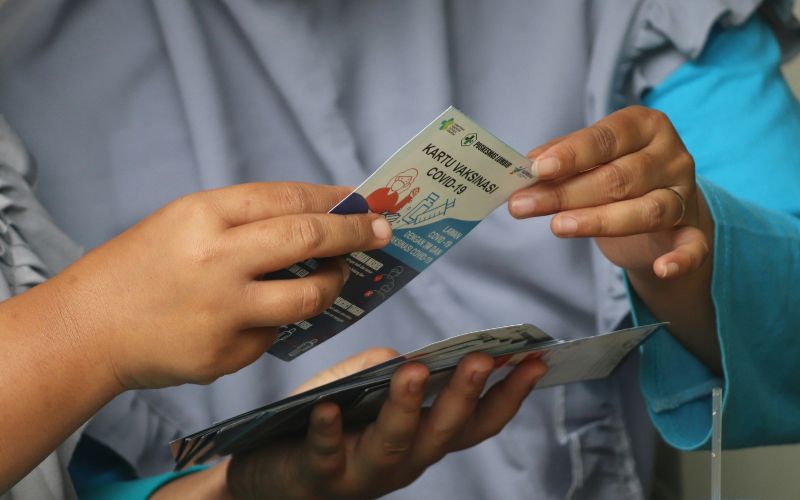
Essential documents you should prepare for the EBT application process. (Image by Unsplash)
3. How to Apply for EBT Card Online? 3 Ways
SNAP applications can usually be completed through several methods, depending on state resources and personal preference.
Understanding the different application options may help eligible households choose the most convenient and efficient process for receiving food assistance benefits.
Online
Many states allow residents to submit SNAP applications through official state assistance websites or benefits portals. Online systems often let users upload verification documents, monitor application progress, and receive interview updates digitally without visiting an office in person.
People researching how to apply for EBT card services often choose online applications because they are accessible from phones, tablets, or computers at any time.
Digital applications may also reduce paperwork delays and make communication with local SNAP offices more efficient during the approval process.
In Person
Applying directly at a local social services office may help applicants receive face-to-face guidance during the SNAP enrollment process. Staff members can explain eligibility rules, review required documents, and answer questions related to interviews or missing paperwork.
Where can I pick up my EBT card near me after approval? For applicants who visit local offices, certain counties may provide in-person pickup or replacement services depending on local office procedures and available equipment.
By Mail
Some states continue to accept paper SNAP applications mailed directly to the local benefits office for processing. This option may work well for households with limited internet access or individuals who prefer handling printed forms instead of online applications.
Applicants usually need to include copies of supporting documents, such as identification, proof of income, and residency verification, with the mailed packet. Processing timelines may sometimes take longer because mailed forms require additional delivery and manual review time.
4. When Will I Receive My EBT Card After Being Approved?
After SNAP approval, EBT cards usually arrive by mail within about 5 to 10 business days, depending on state processing times and local delivery procedures. Mailed delivery remains the most common method for sending new EBT cards to approved applicants.
Some counties may provide local pickup options or faster distribution services in certain situations. Applicants generally receive instructions for card activation and PIN setup after the card arrives, although delays may happen if verification documents or mailing details are incomplete.
5. Many SNAP Applicants Also Explore Other Assistance Programs
SNAP is one of the qualifying government assistance programs that may help eligible households enroll in the federal Lifeline Program.
Reliable phone access can make it easier to manage SNAP accounts, receive approval updates, contact local offices, and stay connected during emergencies or everyday activities. Many eligible users also explore Lifeline-supported mobile plans to reduce communication costs while maintaining essential service access.
So, after you receive your valid documents that prove you are a SNAP recipient, you can go on to get more benefits from Lifeline program.
Apart from SNAP, you may also qualify if you join certain assistance programs like SSI, Veterans Pension, or if you have a low annual income that does not exceed 135% of the Federal Poverty Guidelines.
- Unlimited talk and text on eligible plans
- Monthly high-speed data allowances
- Wi-Fi calling support
- Nationwide 5G+ coverage access
- International calling to select countries
- Caller ID, voicemail, call waiting, and 3-way calling features
- Access to 911 emergency services
- Customer support assistance
- Roaming support in select countries (charges may apply)
Final Words
Applying for SNAP benefits may feel easier when documents and eligibility information are prepared in advance. People researching how to apply for EBT card services can often reduce delays by completing forms carefully and responding quickly to verification requests.