
On This Page
Boiling an egg sounds simple, yet it is one of the easiest foods to overcook. Leave it too long and the yolk turns dry. Pull it too early and the center may be underdone. Even peeling can become frustrating when the method is off.
The good news is that learning how to boil an egg does not require special equipment or advanced cooking skills. A few minutes of attention and the right timing can give you soft, jammy, medium, or fully hard-boiled eggs whenever you want.
This guide covers the best method, timing by texture, common mistakes, storage tips, and easy ways to use them after cooking.
1. How to Boil an Egg the Right Way From the Start
The most reliable way to learn how to boil an egg is to follow a consistent process instead of guessing each time.
- Place eggs in a saucepan in a single layer.
- Add cold water until the eggs are covered by about one inch.
- Bring the water to a boil over medium-high heat.
- Once boiling, lower the heat slightly and begin timing.
- Remove eggs when they reach your preferred doneness.
- Transfer immediately to ice water or very cold water.
That last step matters more than many people realize. Eggs continue cooking after leaving the pot, so cooling them quickly helps preserve the texture you wanted.
If you are serious about improving how to boil an egg, consistency is everything. Use the same pot, similar egg size, and a timer.
Quick Tips for Better Results:
- Slightly older eggs are often easier to peel.
- Avoid overcrowding the pot.
- Use enough water so eggs stay submerged.
- Keep the boil steady, not violent.
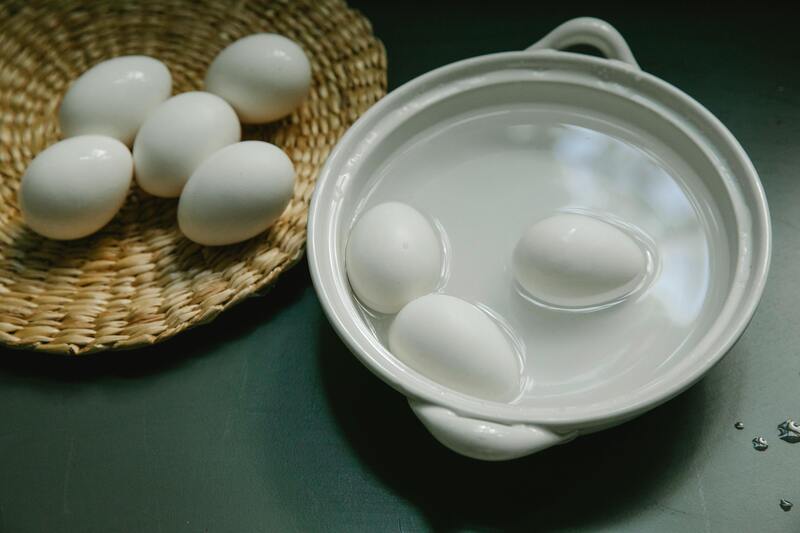
Simple egg boiling guide for better breakfasts, snacks, and meal prep. (Image by Pexels)
2. The Biggest Mistake Most People Make When Boiling Eggs
The biggest mistake is** overcooking**. Too much time in hot water creates dry yolks, rubbery whites, and the gray-green ring that sometimes appears around the center. While harmless, it usually means the egg stayed hot too long.
Another common issue is skipping the cooling step. Residual heat keeps cooking the egg even after it leaves the stove.
Some home cooks also boil on maximum heat the entire time, which can crack shells and lead to uneven results.
If you are asking how long does it take to boil an egg, timing depends on the texture you want.
Use this guide once water reaches a boil:
- 6 minutes: soft, runny center
- 7 to 8 minutes: creamy or jammy yolk
- 9 to 10 minutes: medium yolk
- 11 to 12 minutes: fully hard-boiled
Egg size, starting temperature, and altitude may shift results slightly. For the best long-term results with how to boil an egg, test a timing you like and repeat it.
3. How Long to Soft Boil an Egg for Different Yolks?
Soft-boiled eggs need more precision than hard-boiled eggs. Even 30 seconds can noticeably change the center.
If you are learning how to soft boil an egg, focus on the yolk texture you prefer.
- 6 minutes: loose flowing yolk
- 6½ minutes: rich creamy center
- 7 minutes: jammy texture
- 8 minutes: mostly set with slight softness
For many people asking how long to soft boil an egg, 6½ to 7 minutes is the sweet spot.
Soft-boiled eggs pair especially well with:
- Toast
- Ramen
- Rice bowls
- Fresh salads
- Breakfast plates
Once you understand how to soft boil an egg, simple meals feel far more satisfying.
4. Cold Start vs Hot Start: Which Method Works Better?
There are two popular ways to approach how to boil an egg, and both can work well.
- Cold start
Eggs begin in cold water and heat gradually with the pot. This method is simple and can reduce shell cracking.
- Hot start
Water boils first, then eggs are lowered in carefully. This method gives tighter control over timing, which is useful for soft-boiled eggs.
So, which should you use? If convenience matters most, cold start is often easier. If you want repeatable jammy or runny centers, hot start usually offers better precision.
When deciding how to boil an egg, the best method is the one you can repeat confidently.
5. Best Ways to Use Boiled Eggs After Cooking
Once you know how to boil an egg, you have one of the most versatile foods in the kitchen.
Hard-boiled eggs are excellent for meal prep because they store well and travel easily. Soft-boiled eggs are best enjoyed warm and fresh.
Popular uses include:
- Breakfast with toast
- Chopped into salads
- Egg salad sandwiches
- Protein snack
- Deviled eggs
- Added to noodle bowls
- Sliced over grain bowls
A batch of boiled eggs can save time throughout a busy week.
6. How to Store Boiled Eggs Safely?
Good storage makes boiled eggs more practical and helps reduce waste.
USDA food safety guidance recommends refrigerating cooked eggs within two hours after cooking or cooling. Unpeeled eggs usually hold quality better because the shell helps protect moisture and flavor.
Best storage practices
- Refrigerate in a covered container
- Use within one week for best quality
- Keep peeled eggs sealed to prevent drying out
- Label the date if meal prepping several at once
Reheating note: If reheating in a microwave, slice first. Whole eggs can build steam pressure and burst.
Knowing how to boil an egg is useful. Knowing how to store them properly makes it even better.
Final Thoughts
Boiling** **an egg is one of the simplest kitchen skills with the biggest everyday payoff.
With proper timing and quick cooling, you can choose exactly the texture you enjoy, from soft and rich to firm and sliceable. Once you stop guessing, boiled eggs become faster, easier, and more consistent.Whether for breakfast, meal prep, or a healthy snack, mastering how to boil an egg is a skill you will use again and again.