
On This Page
Cooking eggs may seem simple, but timing and preparation can greatly affect texture, flavor, and peeling results. Learning how to boil an egg correctly can help create soft, medium, or hard-boiled eggs that work well for breakfast, salads, snacks, and meal preparation.
1. Step-by-Step: How to Boil an Egg Perfectly
Perfect boiled eggs often depend on simple details such as water temperature, cooking time, and cooling methods after boiling. Small adjustments during preparation can help improve texture, make peeling easier, and create more consistent cooking results for different recipes and meals.
Add Eggs to a Saucepan
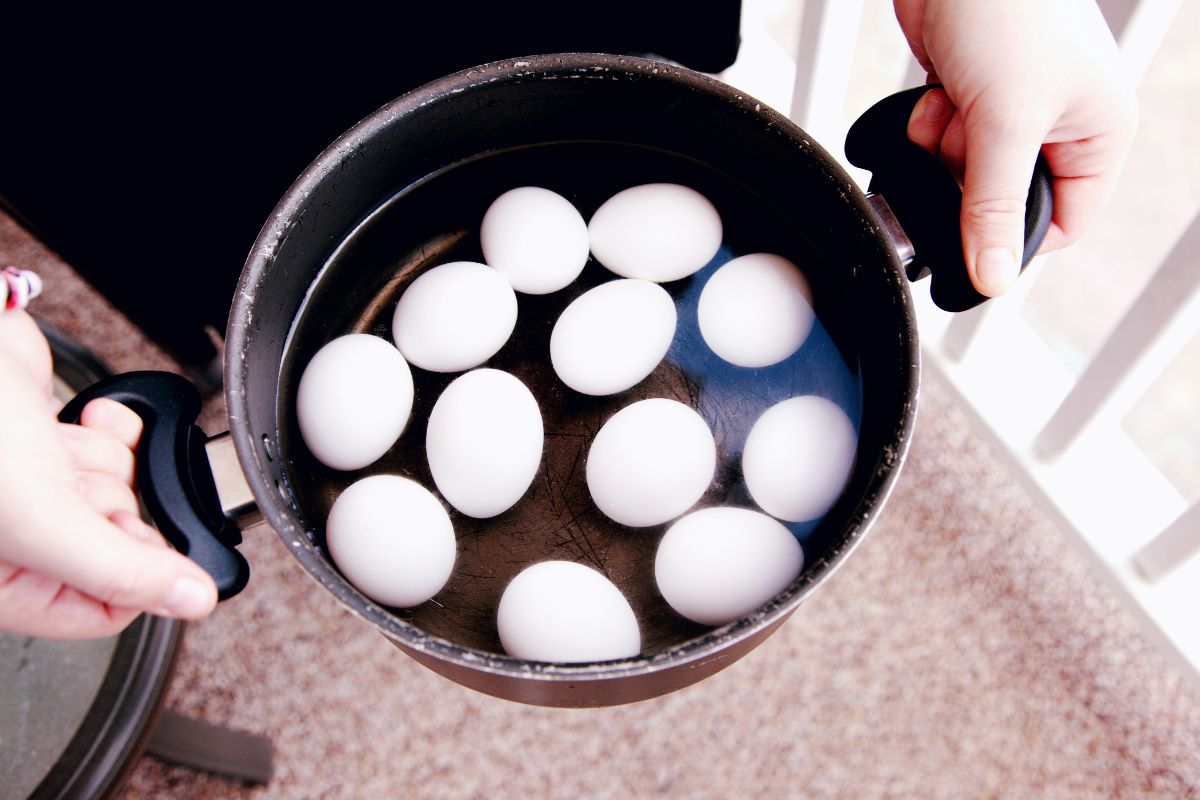
Place the eggs gently into a saucepan large enough to keep them in a single layer without stacking. Proper spacing allows heat to circulate more evenly around each egg and helps reduce the chance of cracking while the water heats on the stove.
Room-temperature eggs are often less likely to crack compared to very cold eggs placed directly into hot conditions. Using a saucepan with enough space can also create more consistent cooking results, especially when preparing several eggs at the same time for breakfast, meal prep, or salads.
Cover with Water
Fill the saucepan with cold water until the eggs are covered by about one inch above the surface. Proper water coverage helps distribute heat evenly during cooking and supports a more balanced texture throughout the egg from the outer white to the center yolk.
Starting with cold water instead of hot water allows the eggs to heat gradually while reducing sudden temperature shock. Gradual heating may help minimize shell cracking and create smoother cooking results during the boiling process for both soft- and hard-boiled eggs.
Heat Until Boiling
Place the saucepan over medium or medium-high heatand allow the water to slowly reach a rolling boil. Controlled heating creates more stable cooking conditions and helps prevent eggs from bouncing aggressively inside the pan while the temperature rises.
Extremely high heat can sometimes crack shells because of strong water movement and rapid temperature changes. Watching the pot carefully as bubbles begin forming may help maintain better control over timing before reducing the heat for simmering.
Simmer Based on Desired Texture
Once the water reaches a boil, reduce the heat slightly and let the eggs simmer according to the preferred texture. Shorter cooking times usually create softer centers, while longer simmering produces firmer yolks better suited for sandwiches, salads, and meal preparation.
People learning how to soft boil an egg often simmer eggs for only a few minutes to keep the yolk smooth and slightly runny. Adjusting simmering time carefully can help create soft, medium, or fully hard-boiled eggs more consistently at home.
Cool Eggs in Ice Water
Transfer the eggs into a bowl of ice water immediately after cooking to stop the internal heat from continuing the cooking process. Rapid cooling helps maintain the desired texture while preventing the yolks from becoming overly dry or developing gray edges.
Ice water can also make peeling easier because cooling helps separate the cooked egg from the shell membrane more effectively. Allowing the eggs to rest in cold water for several minutes may improve their appearance and reduce damage while peeling later.
2. How Long Does It Take to Boil an Egg?
Egg texture mainly depends on cooking time after the water reaches a steady boil. Small timing adjustments can create softer yolks, creamier centers, or firmer textures, depending on personal preference and different meal preparations.
Many people ask how long to soft boil an egg when trying to achieve a smooth yolk without overcooking the egg whites. Following a simple timing chart can help create more consistent results for breakfast, salads, ramen, sandwiches, and snacks.
| Egg Style | Cooking Time |
|---|---|
| Soft-boiled | 6-7 minutes |
| Medium-boiled | 8-9 minutes |
| Hard-boiled | 10-12 minutes |
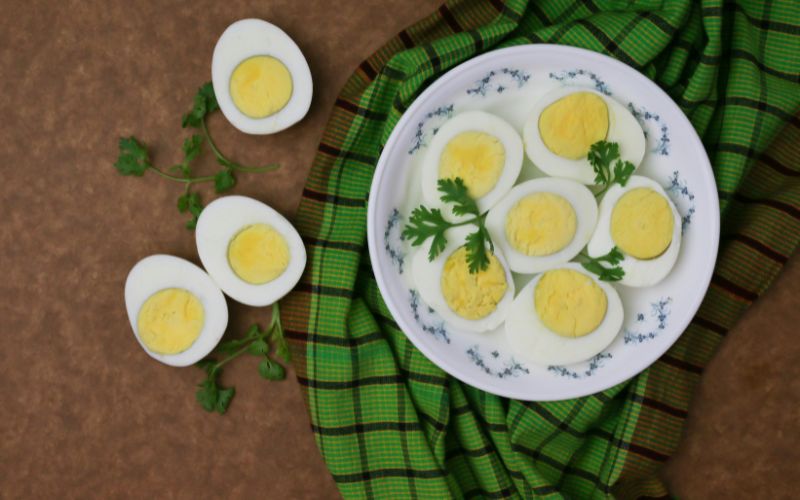
How to boil an egg? The estimated time for perfect eggs. (Image by Unsplash)
3. Common Egg Boiling Mistakes to Avoid
Small cooking mistakes can affect egg texture, shell appearance, and peeling results more than many people expect. Paying attention to water temperature, cooking space, and heating methods can help create smoother, more consistent boiled eggs at home.
Water Boiling Too Aggressively
Rapid boiling can cause eggs to bounce against the saucepan and crack during cooking. Strong water movement may also create uneven cooking temperatures that affect both the egg whites and the yolk texture inside the shell.
Gentler simmering often creates more stable cooking conditions and improves consistency during preparation. People learning how to boil an egg usually achieve better results by reducing the heat slightly after the water first reaches a boil.
Cold Eggs Were Added Too Quickly
Very cold eggs placed directly into rapidly heating water may crack because of sudden temperature changes. Fast temperature shock can weaken the shell surface and sometimes cause egg whites to leak into the water during cooking.
Allowing eggs to sit at room temperature briefly before boiling may help reduce cracking problems. Gradual heating can also create more even cooking throughout the egg and improve overall texture after peeling.
Overcrowded Pots
Placing too many eggs into a small saucepan can make boiling less consistent and increase the chance of shells cracking during cooking. Limited space inside the pot may also prevent heat and water from circulating evenly around each egg.
Keeping eggs in a single layer with enough surrounding room usually helps create more balanced texture and appearance after cooking. Larger saucepans can also support steadier heat distribution, making it easier to prepare soft, medium, or hard-boiled eggs more evenly at home.
4. Tips for Peeling Boiled Eggs More Easily
Peeling boiled eggs can sometimes become frustrating when shells stick tightly to the egg surface after cooking. Small preparation and cooling techniques may help reduce damage, improve texture, and make peeling much faster during meal preparation.
Placing cooked eggs into ice water right after boiling helps stop residual heat and may loosen the shell membrane more effectively. Rapid cooling can also help maintain smoother eggshells during peeling.
Fresh eggs often have tighter membranes that stick more strongly to the shell after boiling. Eggs that have been refrigerated for several days are usually easier to peel cleanly.
Lightly tapping the egg across multiple areas can create smaller shell fragments that peel away more smoothly. Starting near the wider end may also make peeling easier because air pockets are often located there.
Peel eggs under running water. Running water can help loosen tiny shell pieces while reducing sticking between the membrane and egg surface. Water pressure may also help remove smaller shell fragments more quickly.
Excessive boiling may create a rubbery texture and darker yolk edges while making peeling less smooth. People learning how to boil an egg often achieve cleaner peeling results by following accurate cooking times carefully.
Rolling the egg softly after cracking the shell can loosen larger sections more evenly around the surface. This method may help remove shells in bigger pieces instead of small fragments.
Eggs that are still very hot may tear more easily during peeling because the surface remains delicate. Allowing enough cooling time can help create firmer texture and cleaner peeling results overall.
5. Smartphones Have Become Everyday Learning Tools
Smartphones now support much more than basic calling and texting in everyday life. Many households rely on mobile devices to watch tutorials, access school platforms, manage schedules, browse recipes, communicate with family, and find useful online information throughout busy daily routines.
Affordable mobile connectivity has also become increasingly important for education, communication, and internet access. To help address these costs, the Lifeline Program provides eligible consumers with monthly discounts on essential wireless or internet services.
- Check eligibility through household income guidelines or qualifying programs such as SNAP, Medicaid, or SSI
- Prepare proof of program participation or income documentation if verification is required
- Complete the online application with your personal and contact information
- Upload documents only if additional verification is requested during the review process
- Receive the device with activation instructions after approval, typically within 7-10 business days
Final Words
Learning how to boil an egg properly can help create better texture, easier peeling, and more consistent results for breakfasts, snacks, salads, and meal preparation. Small details such as cooking time, water temperature, and cooling methods often make a noticeable difference during preparation.