
On This Page
Learning how to check tire pressure can help improve driving safety, fuel efficiency, and tire lifespan. Many drivers use simple pressure gauges or built-in monitoring systems to check PSI levels regularly, especially before long trips or weather changes.
1. What Does Tire Pressure Mean?
Tire pressure refers to the amount of air stored inside a vehicle’s tires, usually measured in PSI (pounds per square inch). Proper pressure helps tires maintain the correct shape, support vehicle weight, and stay in stable contact with the road during driving.
Tires with too little or too much air may affect braking, steering control, fuel efficiency, and tire wear over time. Vehicle manufacturers typically recommend specific PSI levels based on tire size and driving conditions.
Regular pressure checks can help improve driving safety, reduce uneven wear, and support better overall vehicle performance during daily travel.
2. How to Check Tire Pressure At Home
Checking tire pressure at home can help improve vehicle safety, fuel efficiency, and tire lifespan without requiring professional equipment. Simple pressure checks also make it easier to identify air loss early, before it affects handling or creates uneven tire wear during daily driving. Learning how to check tire pressure properly can also help drivers maintain more consistent vehicle performance over time.
- Check the recommended PSI first
Look for the recommended tire pressure inside the driver-side door frame, owner’s manual, or fuel door sticker. The correct PSI level may differ between front and rear tires depending on the vehicle design.
- Test tires when they are cold
Tire pressure should usually be checked before driving or after the car has been parked for several hours. Heat from driving may temporarily increase pressure readings and make results less accurate.
- Remove the valve cap carefully
Unscrew the tire valve cap and place it somewhere safe to avoid losing it. Dirt or moisture entering the valve area may affect long-term tire performance.
- Press the tire gauge onto the valve stem
Firmly press a tire pressure gauge onto the valve stem until the reading appears. Digital and manual gauges can both help provide accurate PSI measurements during home tire checks.
- Compare the reading with the recommended PSI
If the pressure is too low, add air slowly and recheck the tire. If the PSI is too high, release a small amount of air before testing again.
- Inspect the tire visually as well
People researching how to check tire pressure without gauge sometimes look for visual signs such as flattened tire edges, uneven shape, or soft sidewalls. Visual inspection alone is not fully accurate, but it may help identify obvious underinflation before using proper measuring tools.
- Replace the valve cap securely
Screw the valve cap back onto the tire after checking pressure. This small cap helps protect the valve stem from dust, moisture, and damage over time.
3. How to Check Tire Pressure at a Gas Station
Gas station air pumps and tire gauges can make pressure checks easier during regular vehicle maintenance or before long trips. Learning proper tire pressure steps may also help drivers avoid uneven tire wear, lower fuel efficiency, and unsafe driving conditions.
- Ensure tires are cool
Check tire pressure before driving long distances or after the vehicle has been parked for several hours. Warm tires may produce higher PSI readings that are less accurate during pressure checks.
- Remove the valve cap
Unscrew the valve cap carefully and keep it in a safe place nearby. Small valve caps help protect tire valves from dirt, moisture, and damage during everyday driving.
- Attach the gauge firmly
Press the tire gauge or gas station air hose securely onto the valve stem until the PSI reading appears clearly. People learning how to check tire pressure on Honda Civic models should also compare readings with the PSI recommendations listed inside the driver-side doorframe.
- Read PSI number
Check whether the displayed PSI matches the recommended tire pressure for the vehicle. Front and rear tires may sometimes require different PSI levels depending on the car model.
- Adjust air pressure if needed
Add air slowly if the PSI is too low, or release a small amount if the tire is overinflated. Recheck the reading afterward to make sure the pressure matches the recommended level before replacing the valve cap securely.
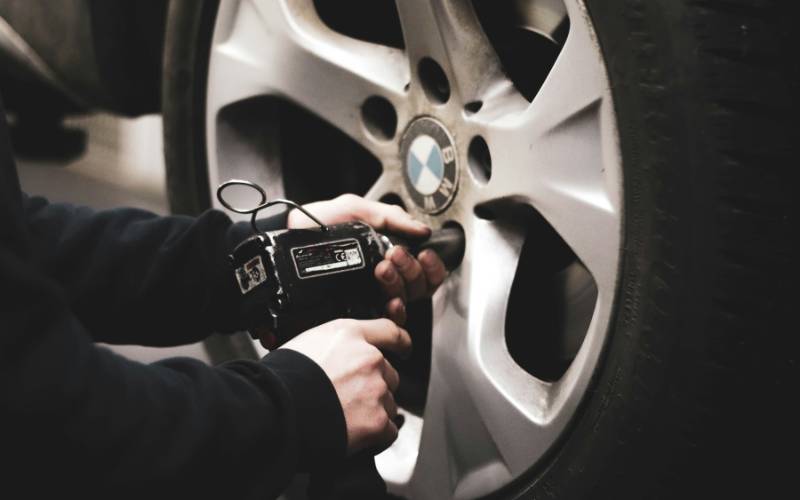
The reason why suitable tire pressure saves money is that it reduces fuel consumption. (Image by Unsplash)
4. Why Proper Tire Pressure Saves Money
Proper tire pressure can help reduce fuel costs because correctly inflated tires create less rolling resistance on the road. Vehicles with underinflated tires often require more energy to move, which may increase fuel consumption over time.
Maintaining recommended PSI levels can also support smoother driving performance and better vehicle handling.
Correct tire pressure may additionally help extend tire lifespan by reducing uneven tread wear and lowering the risk of premature damage. Balanced tire inflation can also decrease the chance of blowouts or costly tire replacements caused by excessive heat and pressure imbalance.
Regular pressure checks are a simple maintenance habit that may help drivers avoid unnecessary repair expenses later.
5. You Can Save Even More Money with a FREE Phone
Reducing monthly phone costs can help drivers manage everyday expenses more comfortably, especially when balancing fuel, tire maintenance, repairs, and insurance payments.
Smartphone access can also make it easier to check navigation apps, roadside assistance, tire pressure guides, fuel prices, and vehicle maintenance reminders while traveling.
In case you haven’t known, the Lifeline Program is a government assistance program that helps eligible households lower the cost of essential communication services.
Qualification is commonly based on:
- Household income at or below 135% of the Federal Poverty Guidelines, based on household size and applicable state Lifeline rules.
- Participation in qualifying programs such as Medicaid, SNAP, SSI, or others
- Step 1: **Check eligibility **through income guidelines or qualifying assistance programs
- Step 3: Choose an available plan and review smartphone offers in your area
- Step 4: Complete the online application with your personal information
- Step 5: **Upload proof documents **only if additional verification is requested
- Step 6: **Submit the application **and wait for approval confirmation
- Step 7: Approved devices are typically delivered within 7-14 business days, with activation instructions included
6. Final Words
Learning how to check tire pressure regularly can help improve driving safety, support better fuel efficiency, and reduce uneven tire wear over time. Simple pressure checks at home or gas stations may also help drivers avoid costly tire damage and unexpected maintenance problems.