
On This Page
A mattress can affect far more than just comfort. The right choice can improve sleep quality, reduce pressure points, support proper spinal alignment, and help you wake up feeling more rested. The wrong mattress, on the other hand, may contribute to discomfort, poor sleep, and frequent tossing and turning.
If you’re wondering how to choose a mattress, the process starts with understanding your individual needs rather than focusing solely on brand names or marketing claims. Factors such as sleeping position, body weight, preferred firmness, and available space all play a role in determining which mattress will feel best over the long term.
This guide explains how to choose a mattress step by step, compares the most common mattress types, and highlights the key features to consider before making a purchase. It also covers common buying mistakes and what to look for in a sleep trial so you can shop with more confidence.
1. What to Consider Before Choosing a Mattress
Before deciding on a specific mattress model, it helps to evaluate the factors that have the greatest impact on comfort and support. If you’re researching how to choose a mattress, focusing on your personal sleep habits and physical needs is often more important than comparing brands alone.
Your Sleeping Position
Your preferred sleeping position plays a major role in determining the type of support you need.
- Side sleepers generally benefit from softer comfort layers that cushion the shoulders and hips while reducing pressure points.
- Back sleepers often prefer medium to medium-firm mattresses that support the natural curve of the spine without excessive sinking.
- Stomach sleepers typically need a firmer surface to help prevent the hips from sinking too deeply, which can place stress on the lower back.
People who frequently change positions during the night often find medium-firm mattresses offer the best balance between comfort and support.
Your Body Type
Body weight affects how a mattress feels and performs over time.
- Lighter individuals may experience firm mattresses as uncomfortably hard because they do not compress the materials as much.
- Average-weight sleepers often have the widest range of suitable options and can choose based on comfort preferences.
- Heavier sleepers generally benefit from thicker support layers, higher-density materials, and firmer constructions that resist excessive sinking and maintain spinal alignment.
Considering body type can help prevent choosing a mattress that feels comfortable in a showroom but performs poorly during long-term use.
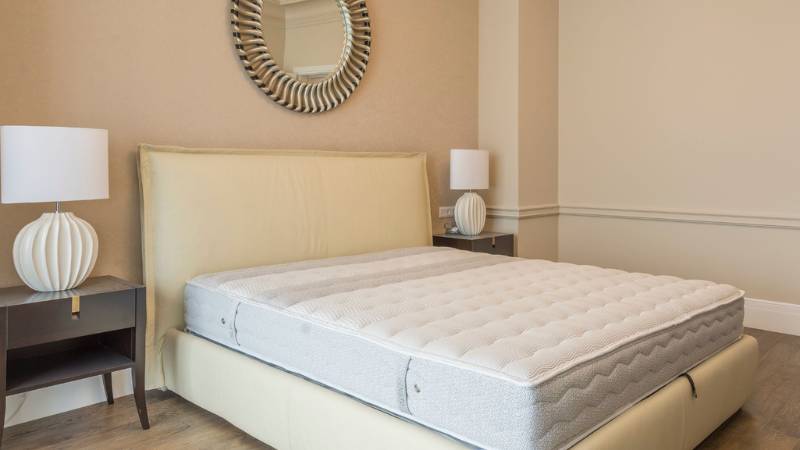
Choosing the right mattress starts with understanding your sleep position, body type, and budget so you can find the best balance of comfort, support, and long-term value. (Image by Pexels)
Your Budget Range
Mattresses are available across a wide range of price points, from budget-friendly models to luxury options.
While a higher price does not automatically guarantee better sleep, extremely inexpensive mattresses may use lower-quality materials that wear out more quickly.
As a general guideline:
| Budget Range | What to Expect |
|---|---|
| Budget | Basic foam or innerspring construction |
| Mid-Range | Better materials, improved durability, more comfort options |
| Premium | Advanced support systems, higher-quality foams, luxury features |
Setting a realistic budget before shopping can help narrow your options and make comparisons more manageable.
2. Types of Mattresses Explained
Understanding the major mattress categories can make the buying process much easier. Each type offers a different balance of support, pressure relief, responsiveness, and durability.
Memory Foam
Memory foam mattresses are known for contouring closely to the body.
Advantages include:
- Excellent pressure relief
- Strong motion isolation
- Good support for side sleepers
- Reduced partner disturbance
Potential drawbacks include heat retention and a slower response when changing positions, although many newer foam mattresses are designed to improve airflow.
Innerspring
Innerspring mattresses use a coil-based support system and remain one of the most traditional mattress types.
Benefits include:
- Strong responsiveness
- Good airflow
- Easier movement across the surface
- Often lower purchase price
However, innerspring models may transfer more motion and provide less pressure relief than foam-based alternatives.
Hybrid
Hybrid mattresses combine foam comfort layers with a coil support core. This design aims to balance the strengths of multiple mattress types.
Advantages often include:
- Pressure relief from foam layers
- Support from coils
- Better airflow than all-foam mattresses
- Good balance of comfort and responsiveness
Because of their versatility, hybrid mattresses have become one of the most popular options for a wide variety of sleepers.
Latex
Latex mattresses use natural or synthetic latex foam to create a responsive and supportive sleeping surface.
Common benefits include:
- Excellent durability
- Natural responsiveness
- Good temperature regulation
- Strong support without excessive sinking
Many buyers interested in eco-friendly materials also consider latex mattresses because natural latex can be sourced from renewable materials.
The primary drawback is that latex mattresses often cost more than comparable foam or innerspring models.
3. How to Choose a Mattress Firmness That’s Right for You
Firmness is one of the most important factors when deciding how to choose a mattress because it directly affects comfort, support, and spinal alignment.
A mattress that is too soft may allow the body to sink excessively, while a mattress that is too firm can create pressure points and discomfort.
Most mattresses fall into the following categories:
| Firmness Level | Best For |
|---|---|
| Soft | Side sleepers, lighter individuals |
| Medium-Soft | Side and combination sleepers |
| Medium-Firm | Back sleepers, combination sleepers, most adults |
| Firm | Stomach sleepers, heavier individuals |
| Extra Firm | Specific support preferences and some heavier sleepers |
While personal preference always matters, sleeping position often provides the best starting point.
Many sleep experts consider medium-firm mattresses the safest choice for the widest range of sleepers because they offer a balance of cushioning and support.
If possible, take advantage of in-home sleep trials rather than relying solely on a few minutes of testing in a showroom. A mattress can feel very different after several nights of actual use, and trial periods provide a better opportunity to determine whether the firmness level is truly right for you.
4. Mattress Sizes and Which One Fits Your Space
Choosing the right mattress size is just as important as selecting the right materials and firmness level. A mattress that is too small can limit comfort, while one that is too large may make a bedroom feel cramped.
Before purchasing, measure your room and consider how much space you want to leave for walking areas, furniture, and storage.
Here are the most common mattress sizes:
| Mattress Size | Best For |
|---|---|
| Twin | Children, small bedrooms, guest rooms |
| Twin XL | Taller children, teenagers, dorm rooms |
| Full | Single adults, smaller bedrooms |
| Queen | Couples, primary bedrooms |
| King | Couples who want extra sleeping space |
| California King | Taller sleepers who need additional length |
For couples, a queen mattress is often the most practical balance between comfort and room size. Larger bedrooms can typically accommodate king-size options without making the space feel crowded.
If you’re shopping for a replacement bed and wondering how to choose a new mattress, size should be one of the first decisions you make before comparing specific models.
5. Where to Buy and What to Look for in a Trial Period
Today’s mattress shoppers can choose between buying online and purchasing from a physical store. Both options offer advantages depending on your preferences.
Online retailers often provide:
- Larger product selection
- Competitive pricing
- Convenient home delivery
- Extended sleep trial periods
Physical stores allow you to:
- Test mattresses before buying
- Compare firmness levels in person
- Speak directly with sales representatives
- Arrange delivery and setup services
Regardless of where you shop, pay close attention to the trial period.
A quality mattress trial should ideally offer:
- At least 90 nights of testing
- Clear return policies
- Minimal return fees
- Full or partial refunds if the mattress is not suitable
Because comfort preferences can take weeks to evaluate, a generous trial period often provides more value than a small upfront discount.
6. Common Mattress Shopping Mistakes
Many mattress purchases are based on quick showroom impressions rather than long-term comfort needs. As a result, buyers often overlook important factors that directly affect sleep quality over time. By understanding the following common mistakes, you can make a more informed and confident decision.
Choosing Based on Price Alone
While it may be tempting to go for the lowest price, the cheapest mattress is not always the best value. In many cases, lower-quality materials wear out faster, which can lead to reduced support, discomfort, and ultimately higher replacement costs.
Ignoring Sleeping Position
In addition, your sleeping position plays a critical role in determining the right mattress. A model that feels comfortable for one person may not provide proper support for another, so it’s important to choose based on your specific sleep habits rather than general recommendations.
Focusing Too Much on Brand Names
Although well-known brands can offer reliable options, brand recognition alone does not guarantee comfort or performance. Instead, you should pay closer attention to factors such as construction, materials, firmness level, and warranty coverage.
Skipping the Trial Period
Another common mistake is overlooking the trial period. Even highly rated mattresses may not suit your individual preferences, so choosing one with a sleep trial allows you to test it at home and reduce the risk of an expensive mistake.
Replacing the Mattress Too Late
Finally, many people continue using a mattress long after it has lost its support. Over time, signs such as visible sagging, reduced comfort, and persistent aches can indicate that it’s time for a replacement. Ignoring these signals may negatively impact both sleep quality and overall health.
7. FAQs
How do I choose a mattress for a child?
When considering how to choose a mattress for a child, prioritize support, durability, and safety. Medium-firm mattresses are often recommended because they provide proper spinal support while remaining comfortable as children grow.
It’s also helpful to choose materials that are easy to clean and resistant to allergens.
How do I choose a new mattress?
When choosing a mattress for a child, start by evaluating your sleeping position, body type, preferred firmness level, and budget.
From there, compare mattress types, review trial periods, and focus on models that align with your specific comfort and support needs.
How do I choose a mattress protector?
If you’re looking for a new mattress, look for features that match your priorities.
Common considerations include:
- Waterproof protection
- Breathability
- Noise-free materials
- Cooling properties
- Machine-washable construction
A good mattress protector can help extend the lifespan of your mattress while protecting it from spills, stains, and allergens.
How do I choose a crib mattress?
When selecting a mattress protector, focus on features that align with your priorities.
A crib mattress should:
- Fit snugly inside the crib
- Maintain a firm sleeping surface
- Meet current safety standards
- Use durable, easy-to-clean materials
Avoid overly soft mattresses, as firmness is important for infant sleep safety.
How long should a mattress last?
Most quality mattresses last between 7 and 10 years, although lifespan varies based on materials, usage, and overall construction quality.
Conclusion
Choosing a mattress involves much more than selecting a popular brand or the lowest price. Factors such as sleeping position, body type, firmness preference, mattress type, and room size all contribute to long-term comfort and support.
If you’re trying to determine how to choose a mattress, focus on your individual sleep needs first and use trial periods to evaluate how a mattress performs in real-world conditions. Taking the time to compare options carefully can help you make a more confident purchase and enjoy better sleep for years to come.