
On This Page
Old coffee grounds, trapped oils, and fine residue slowly build up inside grinders, even when they still look clean from the outside. Over time, that buildup can affect flavor, create stale or bitter notes, and even impact grind consistency.
Learning how to clean a coffee grinder regularly helps preserve both the taste of the coffee and the performance of the grinder itself. Whether using a small home grinder, a burr grinder, or a commercial machine, a simple cleaning routine can make a noticeable difference in every cup.
1. How Often to Clean a Coffee Grinder
Coffee grinders can collect oils and fine particles faster than expected, especially with daily use. Over time, this buildup may affect the taste of freshly ground beans, making regular cleaning an important part of maintaining flavor quality.
Daily Quick-Clean Routine
For basic daily maintenance, a quick clean is usually enough to keep buildup under control. This routine only takes a minute or two but helps prevent residue from accumulating.
Typical steps include:
- Leftover coffee grounds removal
- Loose debris tapped out from the chamber
- Light brushing of the chute
- Exterior surface wiping
Keeping up with this simple routine can make deeper cleaning much easier later on.
Weekly Deep Clean
For grinders used regularly, a more thorough cleaning once a week is generally recommended. This stage focuses on areas where oils and fine particles tend to build up over time.
This often includes:
- Removing removable parts
- Brushing burrs or blades
- Cleaning the hopper
- Clearing trapped grounds from corners and chutes
For most home setups, this is the stage where how to clean a coffee grinder starts affecting flavor quality noticeably.
Monthly Full Disassembly
For heavier use, a more detailed cleaning once a month can help maintain long-term performance. This process goes beyond surface cleaning and targets internal areas that are not reached during regular maintenance.
This may involve:
- Opening internal burr areas
- Removing compacted residue
- Cleaning hidden chambers
- Inspecting moving parts
Before attempting a full disassembly, it’s important to follow the manufacturer’s instructions to avoid damaging the grinder or affecting its performance.

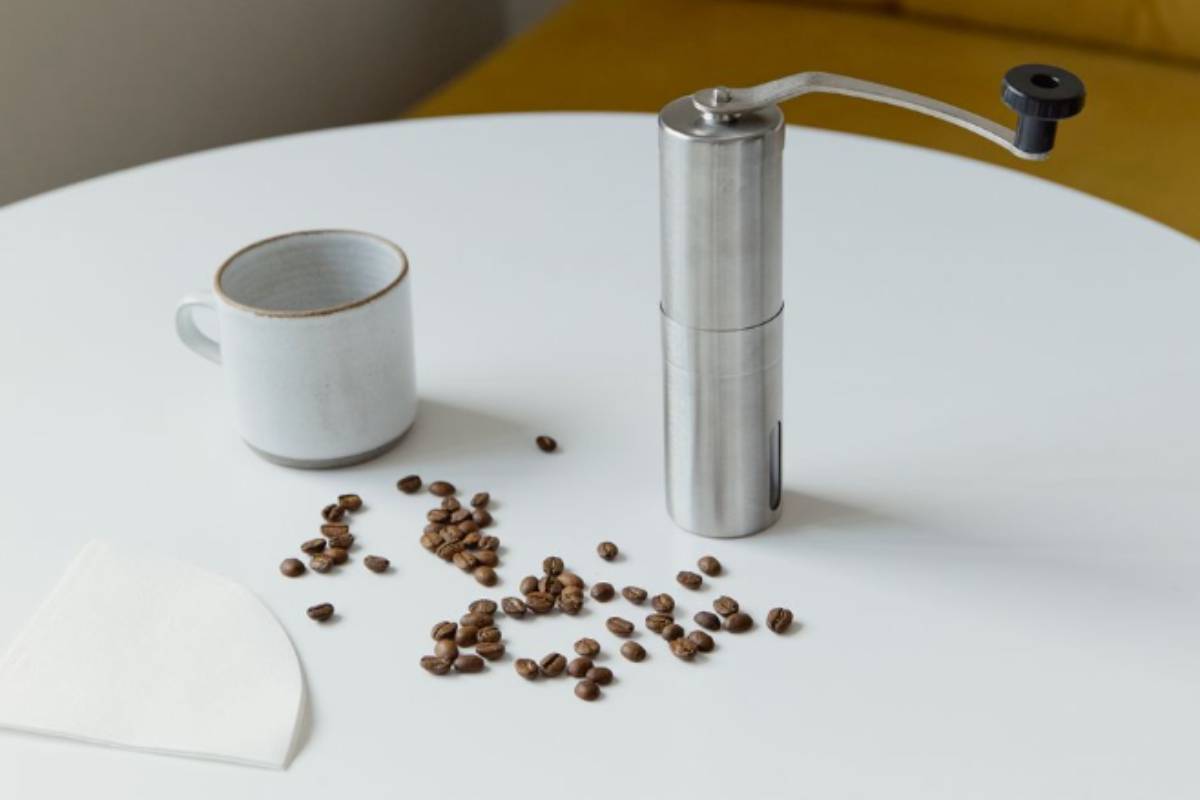
Regular coffee grinder cleaning helps prevent stale flavors, with quick daily maintenance and deeper weekly cleanings keeping buildup and old coffee oils under control. (Image by Pexels)
2. What You’ll Need Before You Start
Most coffee grinder cleaning routines only require a few simple tools.
Helpful supplies may include:
- Soft cleaning brush
- Microfiber cloth
- Mild dish soap
- Wooden toothpick or small detail brush
- Grinder cleaning tablets
- Vacuum attachment
- Dry towel
Some grinders also include manufacturer cleaning tools specifically designed for their burr system.
3. How to Clean a Coffee Grinder: Step-by-Step (Home Grinders)
Most home coffee grinders can be cleaned safely without complex disassembly or specialized tools. With a simple step-by-step approach, you can remove buildup and maintain consistent grinding performance.
Step 1: Unplug and Empty the Hopper
Before starting, make sure the grinder is completely powered off and disconnected. Any remaining beans in the hopper should also be removed to allow full access to internal areas.
Basic preparation includes:
- Power turned off completely
- Grinder unplugged from the outlet
- Remaining coffee beans removed from the hopper
This step helps prevent accidental activation while handling internal components.
Step 2: Brush Out Loose Grounds
Once the grinder is empty, the next focus is on removing loose particles that collect during regular use. A soft brush works well for reaching small areas without damaging parts.
Key areas to clean include:
- Loose coffee particles inside the chamber
- Fine dust buildup
- Oil residue around burrs or blades
- Grounds trapped in the chute
Small detail brushes are especially helpful for tight corners and hard-to-reach spaces.
Step 3: Wipe Down Removable Parts
Many grinders come with removable components that can be cleaned separately. This step helps remove oils that may not come off with dry brushing alone.
Common removable parts include:
- Bean hopper
- Lid
- Ground coffee container
These pieces can usually be wiped with a slightly damp cloth or gently washed if the manufacturer allows it. Always ensure that all parts are fully dry before putting them back in place.
Step 4: Use Grinder Cleaning Tablets or Rice
Some people use grinder cleaning tablets or uncooked rice to help absorb oils and remove leftover residue.
Cleaning tablets are generally safer because they are designed specifically for grinders.
Rice may work in some grinders, but certain manufacturers advise against it because hard grains can stress burr mechanisms.
For anyone researching how to clean a coffee grinder safely, checking the grinder manufacturer’s recommendations first is usually the best approach.
Step 5: Reassemble and Run a Test Grind
After cleaning, the grinder should be carefully reassembled before use. A quick test run helps ensure everything is functioning properly.
Final steps include:
- All parts reassembled securely
- Internal components fully dry
- Small amount of coffee beans added
- Test grind cycle completed
This final step helps remove any remaining residue before returning to normal coffee brewing.
4. How to Clean a Cuisinart Coffee Grinder
Cuisinart grinders are popular for home use, but coffee oils and fine residue can still collect inside the burrs, hopper, and grind chute over time.
Removable Parts You Can Wash
Most Cuisinart models include removable components such as:
- Bean hopper
- Lid
- Ground coffee container
These parts can usually be:
- Removed carefully
- Washed with mild soap and warm water
- Dried completely before reinstalling
Always check the specific model instructions first because some parts may not be dishwasher safe.
How to Clean the Burrs Safely
Burr cleaning should be done gently to avoid damaging alignment or calibration.
To clean safely:
- Unplug the grinder
- Remove accessible burr components if allowed
- Use a soft cleaning brush
- Remove trapped grounds carefully
- Avoid soaking burr assemblies in water
For many users learning how to clean a coffee grinder, burr maintenance becomes one of the most important steps for preserving grind consistency.
4 Mistakes to Avoid with Cuisinart Models
Common cleaning mistakes include:
- Using excessive water
- Running rice through unsupported models
- Reassembling parts while damp
- Using sharp metal cleaning tools
These issues may damage burrs, motors, or electronic components over time.
5. How to Clean a Commercial Coffee Grinder
Commercial coffee grinders require more frequent and structured maintenance due to the high volume of beans processed each day. Without regular cleaning, oil buildup and fine particles can quickly affect grind consistency and flavor quality.
Daily Maintenance for Cafés
In busy café environments, daily cleaning is essential to prevent residue from accumulating between batches. This routine focuses on surface-level areas that come into contact with coffee grounds and oils.
Typical daily tasks include:
- Hopper surface cleaning
- Chute brushing
- Burr area light cleaning
- Coffee oil residue removal
- Exterior surface sanitation
Keeping up with these steps helps minimize stale flavor transfer and maintains consistent coffee quality throughout the day.
Deep Cleaning Schedule for Heavy Use
In addition to daily maintenance, commercial grinders benefit from a deeper cleaning schedule, usually performed weekly or biweekly, depending on usage volume. This stage targets internal buildup that cannot be removed through quick cleaning alone.
It often involves:
- Burr condition inspection
- Internal chamber vacuuming
- Use of grinder cleaning tablets
- Calibration adjustment checks
- Hopper disassembly for thorough cleaning
In high-volume settings, coffee oil buildup can develop quickly, which may impact grind performance sooner than expected if not addressed regularly.
Calibrating After Cleaning
After a deep cleaning session, recalibration is sometimes necessary. Even minor shifts in burr positioning can affect how the grinder performs, especially in commercial setups where precision is critical.
Recalibration helps restore:
- Grind size consistency
- Espresso extraction quality
- Brewing accuracy
- Particle size uniformity
For cafés and professional environments, maintaining proper calibration after cleaning is just as important as the cleaning process itself.
6. How to Clean a Burr vs Blade Grinder
Different grinder designs require slightly different cleaning approaches, mainly due to how they process coffee beans and where residue tends to build up.
Burr Grinder Cleaning Steps
Burr grinders usually need a more detailed cleaning process due to oil and fine particle buildup around the grinding mechanism.
Typical steps include:
- Burr surface brushing
- Hopper interior cleaning
- Chute clearing
- Coffee oil removal from grinding surfaces
These steps help maintain grind consistency, which is especially important for brewing methods that rely on uniform particle size. Even small amounts of residue can affect performance over time, so regular cleaning is key.
Blade Grinder Cleaning Steps
Blade grinders are generally easier to clean thanks to their simpler design. Most of the maintenance focuses on removing loose grounds and preventing oil buildup around the blades.
Typical steps include:
- Loose ground removal from the chamber
- Interior surface wiping with a dry or slightly damp cloth
- Trapped particle removal near blades
- Complete drying before reuse
Some users also pulse a small amount of dry rice to absorb oils and lift residue. However, this method isn’t recommended for all models, so checking the manufacturer’s guidance is still important.
7. Coffee Grinder Cleaning Mistakes That Can Ruin Fresh Flavor
Even small cleaning mistakes can affect coffee taste, grinder performance, and long-term durability. Avoiding these common issues can help preserve both flavor quality and equipment lifespan.
Using Water on Electrical Parts
Water should never come into direct contact with electrical components. Soaking or rinsing non-removable parts can lead to internal damage, including corrosion or motor issues.
In more serious cases, it may also create safety risks. Only removable components that are specifically designed to be washed should be exposed to water.
Skipping the Hopper and Chute
It’s common to focus only on the burrs during cleaning, but the hopper and chute are often where oils and stale residue build up the most. These areas can trap old coffee particles that continue to affect flavor even after fresh beans are added.
Cleaning these sections regularly helps prevent unwanted taste transfer and keeps the grinder performing consistently.
Forgetting to Dry Parts Completely
Reassembling the grinder while parts are still damp can cause several problems. Moisture can lead to clumping grounds, lingering odors, or even mold in hidden areas.
Over time, it may also contribute to faster residue buildup. Allowing every component to dry fully before putting the grinder back together is a simple step that makes a noticeable difference.
»> Also read: 30 Questions to Get to Know Someone: Effective Ways to Avoid Awkward Silence
FAQs
How Often Should You Clean a Coffee Grinder?
Light cleaning after daily use and deeper weekly cleaning usually works well for most home grinders.
Can You Use Rice to Clean a Coffee Grinder?
Some people use uncooked rice to absorb oils, but certain manufacturers advise against it because hard grains may stress burr mechanisms.
Do Coffee Grinder Cleaning Tablets Actually Work?
Yes. Grinder cleaning tablets are specifically designed to absorb coffee oils and remove residue safely in many grinder models.
Why Does Coffee Taste Bitter Even with Fresh Beans?
Old oils and stale grounds trapped inside the grinder may affect flavor even when fresh beans are used.
Final Thoughts
Coffee grinders affect flavor more than many people realize. Old residue, trapped oils, and stale grounds can slowly change both taste and grind consistency even when fresh beans are being used.
Once people build a simple routine for how to clean a coffee grinder, it becomes much easier to maintain fresher flavor, smoother performance, and more consistent brewing results over time.