

On This Page
A mattress can look perfectly clean on the surface while holding dust, sweat, body oils, allergens, and old spills inside. Because it stays covered most of the time, many people forget it needs regular care.
Knowing how to clean a mattress the right way can improve freshness, help reduce buildup, and support better sleep comfort. It may also help the mattress last longer by preventing stains and trapped moisture from becoming bigger problems.
The good news is that proper care does not need expensive equipment or harsh chemicals. With the right process, most mattresses can be refreshed safely at home. This guide explains step-by-step cleaning, how often to do it, stain removal tips, deep-cleaning methods, common mistakes, and whether steam cleaning is a smart idea.
1. How to Clean a Mattress Without Damaging It
The safest way to clean a mattress is to use low moisture, gentle products, and enough drying time. A mattress is not like a bedsheet that can be soaked and rinsed.
Too much liquid can sink into foam, padding, or inner layers, making odors and mildew more likely.
Step 1: Strip the Bed Completely
Remove sheets, pillowcases, mattress protectors, blankets, and toppers. Wash anything washable first so you are not putting clean bedding back onto a dirty surface later.
Step 2: Vacuum Slowly and Thoroughly
Use an upholstery attachment and vacuum the entire surface. Move slowly instead of rushing, especially around seams, edges, and tufted areas where dust and skin cells collect.
A good vacuum pass makes the rest of the process much easier.
Step 3: Treat Stains Before Cleaning the Whole Surface
Do not apply cleaner everywhere first. Start with visible stains and handle them one by one.
Use a lightly damp cloth with mild soap or a fabric-safe cleaner. Blot the stain gently instead of scrubbing hard. Scrubbing can spread the stain and push moisture deeper into the mattress.
For tougher stains, repeat the process in small rounds rather than soaking the area.
Step 4: Deodorize With Baking Soda
After spot cleaning, sprinkle a thin layer of baking soda over the mattress. Let it sit for several hours if possible.
Baking soda helps absorb odors and surface moisture without adding liquid.
Step 5: Vacuum Again
Once the baking soda has had time to work, vacuum the mattress again carefully. Make sure to remove all powder from seams and corners.
Leaving residue behind can make the surface feel dusty or uncomfortable later.
Step 6: Let the Mattress Dry Fully
Before putting sheets back on, give the mattress enough time to dry completely. Open windows, turn on a fan, or place the mattress in a well-ventilated room.
Even if the surface feels only slightly damp, covering it too soon can trap moisture and create new odor problems.
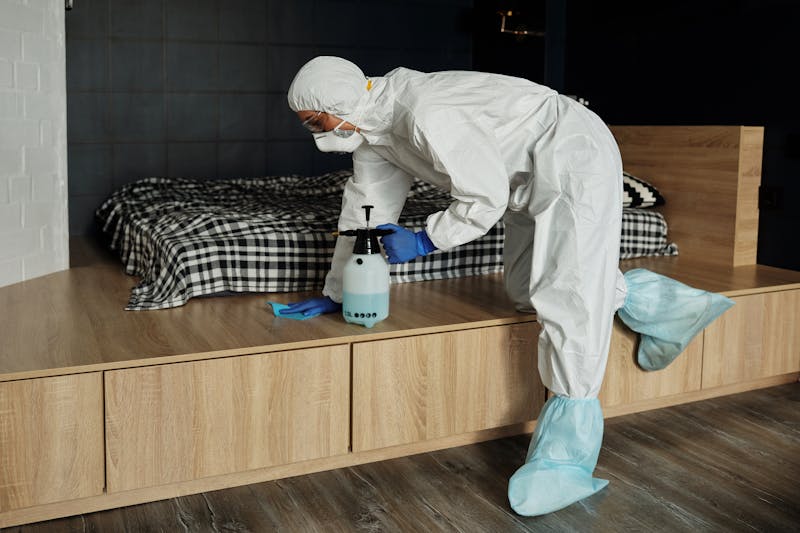
Simple mattress cleaning steps for a fresher sleep space. (Image by Pexels)
2. How Often Should You Clean a Mattress?
Most mattresses do not need deep cleaning every week, but they should not be ignored for years either. A good routine is to refresh the surface every few months and handle spills as soon as they happen. This keeps dust, sweat, body oils, and odors from building up too deeply.
For general care, vacuuming your mattress every one to two months is a practical habit. It helps remove dust, hair, skin cells, and small debris before they settle into seams or fabric.
A deeper refresh with baking soda can be done every three to six months, especially if the mattress starts to smell stale or has not been cleaned in a while.
If you use a mattress protector, wash it regularly according to the care label. A protector does not replace mattress cleaning, but it can reduce stains and make long-term care much easier.
How to Clean a Mattress Stain Based on the Type of Spill
Stains should be treated quickly because the longer they sit, the harder they are to remove. The safest approach is to blot first, then clean gently with as little moisture as possible.
- For sweat marks or yellowing, use a mild soap solution and a lightly damp cloth. Work slowly and avoid soaking the area.
- For food or drink spills, blot up as much liquid as possible before using cool water and a small amount of gentle detergent.
- For pet accidents or biological stains, an enzyme cleaner is usually more effective because it helps break down odor-causing residue.
Always test any cleaner on a hidden area first to make sure it does not discolor the fabric.
How to Deep Clean a Mattress for Odors and Hidden Dirt
A deep clean does not mean soaking the mattress. In fact, too much water can create bigger problems. A safer deep-cleaning routine focuses on vacuuming, deodorizing, spot treatment, and airflow.
Start by vacuuming the entire surface slowly. Then sprinkle baking soda across the mattress and let it sit for several hours. If possible, leave it longer for stronger odor absorption. After that, vacuum again until all powder is removed.
If the mattress still smells, repeat the baking soda step rather than adding more liquid. For mattresses that can be rotated, turning the mattress can also help even out wear and freshen the sleeping surface.
When done properly, how to clean a mattress becomes less about scrubbing and more about regular maintenance, fast stain response, and careful drying.
3. The Biggest Mattress Cleaning Mistakes People Make
Cleaning a mattress is less about using the strongest method and more about protecting materials that cannot be rinsed, wrung out, or dried quickly. Foam, fabric covers, padding, and inner layers can all react badly to too much moisture or the wrong cleaner.
Using Too Much Water
This is the mistake that causes the most long-term trouble. A mattress may feel dry on the surface while moisture remains trapped inside the foam or padding. That trapped dampness can lead to lingering odors, mildew risk, and slower material breakdown.
A safer approach is to use a lightly damp cloth, blot the area gently, and repeat in small rounds if needed. For stains, controlled spot treatment works better than soaking the surface.
Spraying Harsh Chemicals
Strong bleach, heavy disinfectants, ammonia-based cleaners, and aggressive solvents can damage fabric, weaken foam, or leave behind odors that are difficult to remove. Some products may also irritate skin if residue stays in the mattress.
Before using any cleaner, check the mattress care label or manufacturer guidance. If there is no clear instruction, choose a mild fabric-safe solution and test it on a hidden area first.
Remaking the Bed Too Soon
Putting sheets back on too early can trap moisture between the mattress and bedding. Even if the surface feels only slightly damp, covering it can slow drying and cause stale smells later.
After cleaning, give the mattress plenty of airflow. Open windows, use a fan, and wait until the surface is fully dry before adding sheets, protectors, or toppers. Drying time is not a small detail but one of the most important parts of how to clean a mattress safely.
For many homes, learning how to clean a mattress with vacuuming, spot cleaning, and deodorizing is enough without steam.
4. Final Thoughts
A cleaner mattress supports a fresher bedroom, better comfort, and a more pleasant sleep environment. Dirt and odor build slowly, which is why regular maintenance works better than occasional panic cleaning.
Once you understand how to clean a mattress, the routine becomes simple: vacuum regularly, treat spills quickly, avoid soaking the surface, and allow full drying.
Whether you need stain removal, odor control, or want to learn how to deep clean a mattress, gentle methods usually deliver the best long-term results.