
On This Page
Grease buildup, burnt food residue, and lingering odors can make ovens harder to use and affect cooking performance over time. Learning how to clean an oven properly can help maintain a cleaner kitchen, improve cooking results, and reduce smoke caused by old spills inside the appliance.
1. Why Ovens Get Dirty So Quickly?
Ovens collect grease, food residue, and burnt particles almost every time they are used for cooking or baking. High cooking temperatures can quickly harden spills and splatters, making stains more difficult to remove if they are left untreated for long periods.
Overflowing Casseroles
Casseroles often bubble over while baking because of sauces, cheese, or liquid ingredients expanding under high heat. Overflowing food can drip onto oven surfaces and quickly harden into stubborn burnt residue after repeated cooking cycles.
Frequent spills may also create smoke and unpleasant odors during future cooking sessions. Using baking trays or placing dishes on lined sheets can help reduce mess buildup inside the oven.
Pizza and Cheese Spills
Melted cheese and pizza toppings commonly slide onto oven racks or the oven floor while cooking. High temperatures can burn these ingredients quickly, leaving behind sticky grease stains and dark residue that become harder to remove later.
Cheese splatter may also produce smoke when reheated during future baking. Cleaning spills shortly after the oven cools can help prevent thicker buildup from forming over time.
Roasted Meats and Oils
Roasted meats naturally release grease and cooking oils during long baking or roasting sessions. Hot oil droplets may splatter across oven walls, racks, and doors while food cooks at higher temperatures.
Repeated grease exposure can create sticky layers that attract more burnt particles over time. Covering dishes carefully or using roasting pans with deeper sides may help reduce oil splatter during cooking.
Burnt Crumbs and Grease Splatter
Small crumbs and leftover food particles often fall to the bottom of the oven during baking or reheating. These particles can burn repeatedly during future cooking sessions, creating smoke, dark stains, and unpleasant kitchen odors.
Grease splatter from frying, roasting, or baking can also spread across oven surfaces very quickly. Regular wipe-downs and routine maintenance may help prevent heavy residue buildup and make deep cleaning easier later.
2. Step-by-Step: How to Clean an Oven Quickly
Regular oven cleaning can help reduce smoke, remove stubborn grease, and improve cooking performance over time. Following a simple cleaning routine may also make it easier to maintain a fresher kitchen and prevent heavy residue from building up inside the appliance..
Remove Racks
Start by removing the oven racks carefully and placing them aside for separate cleaning. Taking out the racks creates more space to reach grease buildup, burnt food, and hidden corners inside the oven more effectively.
Warm water mixed with dish soap can help loosen grease stuck to metal surfaces. Soaking racks for a while before scrubbing may also make cleaning easier and reduce the amount of heavy scraping needed later.
Vacuum or Wipe Crumbs
Loose crumbs and burnt food particles should be removed before applying any cleaning solution inside the oven. Small handheld vacuums, paper towels, or microfiber cloths can help clear debris quickly from the bottom surface and corners.
Removing dry residue first prevents crumbs from turning into a messy paste during deeper cleaning. This step may also make later scrubbing faster and help cleaning products work more effectively on grease stains.
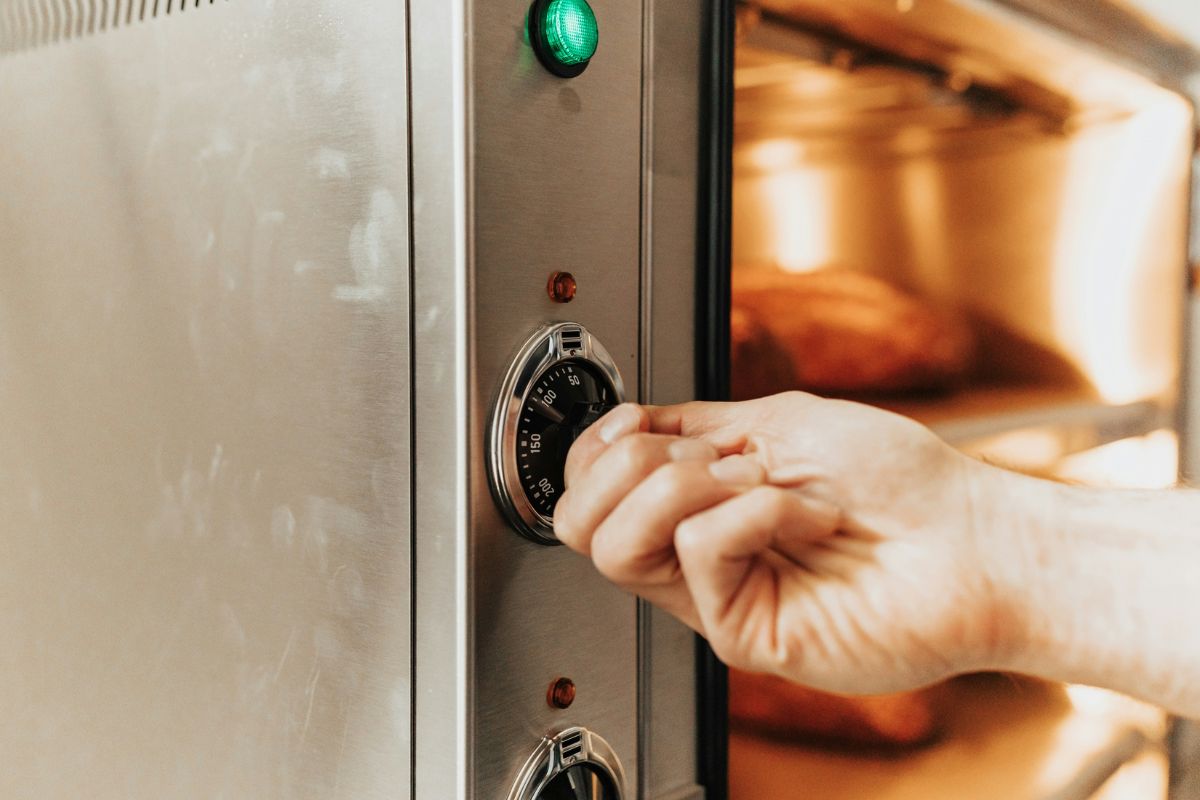
How to clean an oven? Loose crumbs and burnt food particles should be removed before applying any cleaning solution inside the oven (Image by Unsplash)
Apply the Cleaning Mixture
Spread the cleaning mixture evenly across greasy oven surfaces while avoiding heating elements and sensitive parts. Baking soda paste, oven-safe cleaners, or vinegar-based solutions are commonly used to loosen stubborn grease and burnt residue.
People learning how to clean an oven door often use the same cleaning mixture on oven glass to remove fingerprints, smoke stains, and grease marks. Applying the solution carefully can help create a cleaner and clearer oven surface overall.
Let It Sit
Allowing the cleaning solution to sit for a period of time helps soften hardened grease and burnt food more effectively. Heavier buildup usually requires longer soaking time so the cleaner can break down stubborn residue inside the oven.
Patience during this step can reduce aggressive scrubbing later and make cleaning less difficult overall. Many natural cleaning mixtures work better when left undisturbed for at least several minutes before wiping or scrubbing surfaces.
Scrub Greasy Areas
Use a non-scratch sponge, brush, or soft scrubbing pad to clean greasy spots and burnt stains carefully. Circular scrubbing motions may help lift residue more effectively without damaging oven surfaces or protective interior coatings.
Extra attention should be given to corners, rack supports, and heavily stained areas where grease usually collects. Reapplying cleaning solution to stubborn spots may help loosen buildup before continuing the scrubbing process.
Wipe Dry With a Clean Cloth
Finish by wiping all surfaces with a clean, damp cloth to remove leftover cleaner, grease, and loosened residue. Drying the oven completely afterward can help prevent streaks, moisture buildup, and lingering cleaning product odors.
A final wipe-down may also improve the appearance of oven glass, walls, and racks after deep cleaning. Keeping surfaces dry and clean can make future maintenance easier and help reduce faster grease accumulation later.
3. How to Clean an Oven Without Oven Cleaner?
Many people prefer natural cleaning methods to avoid strong chemical smells and harsh cleaning products inside the kitchen. Household ingredients can often remove grease, soften burnt residue, and freshen oven surfaces effectively with less irritation and easier cleanup.
Baking Soda Paste
Baking soda paste is one of the most popular natural oven-cleaning methods for loosening grease and burnt food residue. Mixing baking soda with a small amount of water creates a thick paste that can be spread across stained oven surfaces easily.
Allowing the paste to sit for several hours helps soften stubborn buildup before scrubbing begins. Gentle scrubbing afterward can help remove grime more effectively while reducing the need for harsh chemical-based cleaning products.
White Vinegar Spray
White vinegar works well for breaking down grease and removing leftover baking soda residue inside the oven. Spraying vinegar onto stained surfaces may also create a foaming reaction that helps loosen hardened food particles more easily.
Vinegar can additionally help reduce lingering cooking odors and leave surfaces feeling fresher after cleaning. Wiping the oven carefully afterward may help remove streaks and improve the overall appearance of interior surfaces and oven glass.
Lemon Water Steam Cleaning
Lemon water steam cleaning uses heat and moisture to soften grease buildup and freshen the oven naturally. Heating a bowl of water mixed with sliced lemons inside the oven creates steam that helps loosen burnt residue from interior surfaces.
Natural lemon oils may also help reduce unpleasant cooking smells while leaving a cleaner scent afterward. Once the oven cools slightly, softened grease and food particles can usually be wiped away more easily with a cloth or sponge.
4. Get A Free Phone with Free Monthly Services to Access Useful Information
Daily household tasks are now much easier to manage with smartphones and internet access available anytime during the day. People often use mobile devices to check cleaning tutorials, compare home-care products, watch step-by-step videos, organize shopping lists, and quickly find practical solutions for kitchen maintenance problems.
Access to online information has become an important part of everyday routines for communication, learning, scheduling, and household management.
- Unlimited nationwide talk and text on eligible plans
- Monthly high-speed data depending on state and qualification status
- Access to a nationwide 5G+ network coverage
- Wi-Fi calling support for compatible smartphones
- International calling to many countries and territories
- Voicemail, caller ID, call waiting, and 3-way calling features
- Customer service support for account and connectivity assistance
Final Words
Learning how to clean an oven regularly can help reduce grease buildup, remove burnt food residue, and improve overall cooking performance in the kitchen. Simple cleaning routines using natural ingredients or oven-safe products may also help prevent smoke and unpleasant odors during baking or roasting.