
On This Page
Fresh pineapple can be sweet, refreshing, and perfect for snacks, smoothies, desserts, or fruit bowls, but cutting it properly often feels difficult for beginners. Many people search how to cut a pineapple when trying to remove the tough outer skin and core without wasting too much fruit.
1. How to Cut a Pineapple With a Knife
Preparing pineapple at home becomes much easier when the fruit is cut in the correct order. Using a sharp knife and a stable cutting board may help create cleaner slices while reducing wasted fruit during preparation.
Wash the pineapple
Rinsing the pineapple before cutting helps remove dirt, dust, and bacteria from the outer surface. Even though the thick skin will be removed later, washing first may help keep the edible fruit cleaner while slicing and preparing it for recipes or snacks.
Use cool running water and gently rub the outside with your hands if needed. Dry the pineapple carefully with a clean towel afterward because a less slippery surface may provide better grip and safer knife control while cutting on the board at home.
Cut off the leafy crown
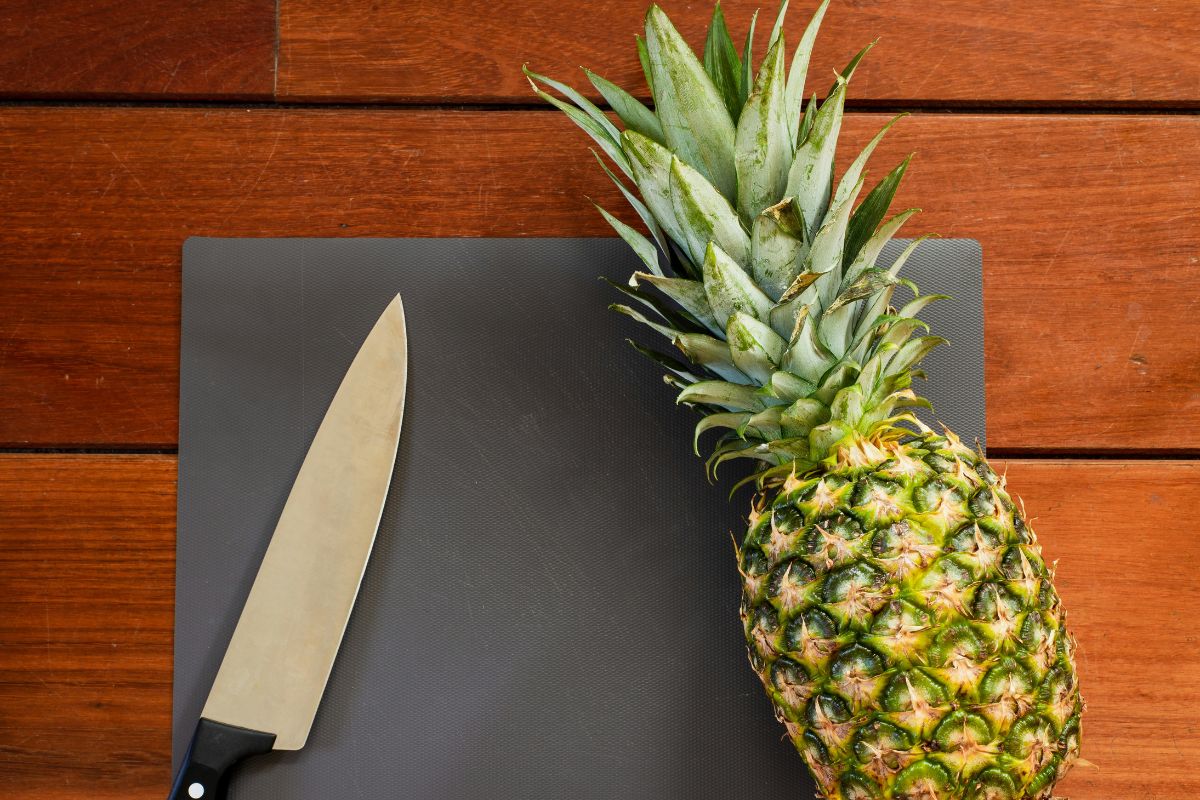
Place the pineapple sideways on a stable cutting board before removing the top section. A large sharp knife usually works best because pineapple skin and the leafy crown can feel tough during the first cuts.
Slice slightly below the green leaves to remove the crown completely. Cutting off the top first makes the pineapple easier to stand upright during the remaining preparation steps.
Slice off the bottom
Removing the bottom helps create a flat surface that keeps the pineapple stable while cutting vertically. Many beginners searching how to cut a pineapple easy find this step especially helpful because it improves balance and knife control during preparation.
Trim only a thin section from the base to avoid wasting too much fruit. Once both ends are removed, the pineapple becomes much easier to peel and slice evenly.
Remove the skin vertically
Stand the pineapple upright after trimming both ends. Carefully guide the knife downward from top to bottom, following the natural curve of the fruit to remove the thick outer skin while keeping as much pineapple flesh as possible.
Rotate the pineapple slowly after each slice until the skin is fully removed. Small brown spots left behind can be trimmed separately using shallow, angled cuts.
Cut around the hard core
After peeling the pineapple, slice it into halves or quarters to expose the tough center core more clearly. The core is usually firmer and less juicy than the surrounding fruit, so many people prefer removing it before serving.
Carefully cut along both sides of the core using a sharp knife. The remaining pineapple can then be sliced into chunks, rings, spears, or smaller pieces for snacks, smoothies, or desserts.
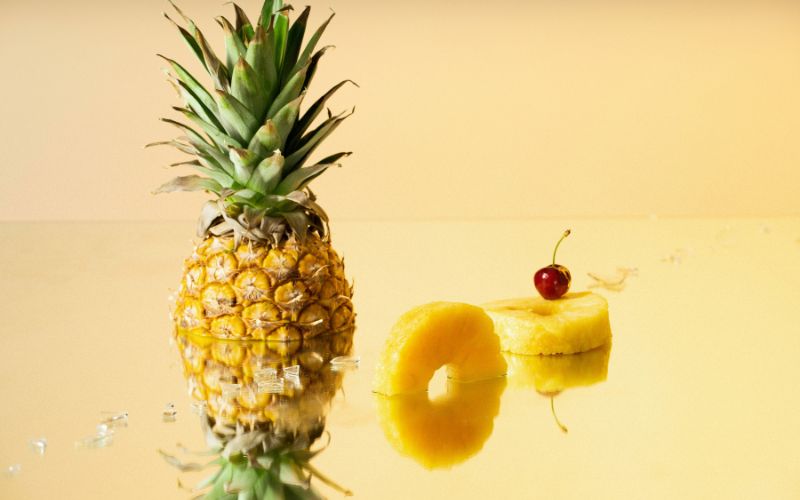
Preparing pineapple at home becomes much easier when the fruit is cut in the correct order(Image by Unsplash)**
2. How to Cut a Pineapple Without a Knife
How to cut up a pineapple? Some people prefer easier pineapple preparation methods that require less cutting or fewer kitchen tools. Alternative techniques may help reduce mess, improve convenience, and make fresh pineapple easier to enjoy at home or while traveling.
Pull-apart pineapple techniques
Certain ripe pineapples can be separated by pulling individual fruit sections directly from the shell without slicing the entire fruit first. This method usually works best when the pineapple feels soft, fragrant, and fully ripened because the fruit pieces loosen more naturally from the center.
Start by removing the leafy top and gently pulling sections outward with your fingers. While this technique may not create perfectly shaped slices, it can provide a quick and simple way to enjoy fresh pineapple without using sharp kitchen knives.
Specialized pineapple tools
Special pineapple tools are designed to remove the core and create spiral-shaped slices more quickly than traditional knife methods. Pineapple corers and slicers often reduce preparation time while helping create cleaner rings with less fruit waste during cutting.
Most pineapple tools work by twisting the device through the center after the top has been removed. This process may feel easier for beginners who want evenly shaped pineapple slices without handling large kitchen knives directly.
Pre-cut pineapple alternatives
Pre-cut pineapple products offer a convenient option for people who prefer avoiding fresh fruit preparation entirely. Grocery stores commonly sell pineapple chunks, rings, spears, or small containers that are already peeled, sliced, and ready to eat immediately.
These prepared options may help save time for busy households, quick snacks, school lunches, smoothies, or fruit trays. Checking freshness, expiration dates, and storage conditions carefully may also help maintain better flavor and texture after purchase.
»> Also read: How to Clean an Oven? Cleaning Guide for a Grease-Free Oven
3. Easy Ways to Serve Fresh Pineapple
Fresh pineapple works well in many recipes because of its sweet flavor, juicy texture, and refreshing taste. Simple serving ideas may help turn freshly prepared pineapple into quick snacks, desserts, or healthier meal additions throughout the day.
Pineapple fruit bowls
Fresh pineapple chunks can be added to fruit bowls with berries, grapes, melon, kiwi, or mango for a colorful snack or breakfast option. The natural sweetness of pineapple pairs well with many fruits while adding extra texture and tropical flavor to the mixture.
Chilled fruit bowls are especially popular during warm weather because they feel light and refreshing. Adding mint leaves, yogurt, or a small amount of honey may also create a more balanced and flavorful serving combination.
Pineapple smoothies
Smoothies are one of the easiest ways to use freshly prepared pineapple at home. Many people searching for how to cut a pineapple often plan to use the fruit in smoothies because smaller pineapple chunks blend more smoothly and evenly with other ingredients.
Fresh pineapple combines well with banana, coconut milk, mango, yogurt, spinach, or orange juice for tropical-style drinks. Frozen pineapple pieces may also create a colder and thicker texture without needing additional ice during blending.
Grilled pineapple slices
Grilled pineapple creates a sweeter flavor because heat helps caramelize the fruit’s natural sugars during cooking. Thick pineapple slices can be placed directly on a grill or grill pan for several minutes until light golden marks appear on each side.
Warm grilled pineapple is commonly served with barbecue dishes, desserts, ice cream, or summer meals. A small amount of cinnamon, honey, or lime juice may also enhance the flavor without overpowering the fruit’s natural sweetness.
4. Common Pineapple Cutting Mistakes to Avoid
Cutting pineapple becomes much easier when the fruit is prepared with the right technique and kitchen tools. Avoiding common mistakes may help improve safety, reduce wasted fruit, and create cleaner pineapple slices for snacks or recipes.
Leaving tough “eyes” behind
Small brown “eyes” left in the pineapple can feel tough and unpleasant when eating fresh fruit. These spots are part of the outer layer and should usually be removed after peeling to improve texture and appearance.
Many beginners learning how to cut a pineapple remove only the skin and forget the remaining eyes completely. Shallow diagonal cuts along the fruit’s natural pattern may help remove these sections more cleanly without cutting away too much pineapple flesh.
Cutting unevenly
Uneven pineapple pieces can affect both presentation and texture when serving fresh fruit in bowls, desserts, smoothies, or grilled recipes. Thick chunks may stay overly juicy while thinner slices sometimes dry out faster or fall apart more easily during preparation and serving.
Consistent slicing usually creates a cleaner appearance and makes pineapple easier to portion for recipes or snacks. Using controlled knife movements and keeping the pineapple stable on the cutting board may help produce smoother, more even cuts throughout the entire fruit.
Using dull knives
Dull knives often make pineapple preparation more difficult because the thick outer skin requires additional pressure during cutting. This may increase the risk and reduce cutting accuracy while working through tougher parts of the fruit.
A sharp knife usually creates smoother cuts with less effort and better control. Properly sharpened kitchen knives may also help reduce hand strain and improve safety during pineapple preparation at home.
Removing too much fruit with the skin
Peeling the pineapple too deeply often removes a large portion of the sweet edible fruit, together with the tough outer skin. This common mistake may create unnecessary waste and leave much less pineapple available for snacks, smoothies, desserts, or meal preparation afterward.
Thin downward cuts that follow the natural curve of the pineapple usually work better during peeling. Removing only the outer layer first allows the remaining brown “eyes” to be trimmed separately later, which may help preserve more fresh fruit while creating cleaner and more attractive pineapple slices.
Final Words
Fresh pineapple becomes much easier to prepare once the right cutting method and basic techniques are understood. Proper slicing can help create cleaner pineapple chunks, reduce wasted fruit, and make snacks, desserts, smoothies, or grilled recipes look more appealing when served.