

On This Page
Portable oxygen concentrators often cost thousands of dollars, and many patients cannot afford that expense on their own. As a result, people often ask whether insurance plans, nonprofit programs, or local assistance resources can help them get one at little to no cost.
Fortunately, Medicare, Medicaid, and charitable organizations may offer financial support in certain cases. You can save time and avoid unnecessary expenses when you understand your options early. Here’s how to get a free portable oxygen concentrator that you can look into.
1. All About The Portable Oxygen Concentrator Recovery
A portable oxygen concentrator is a lightweight medical device that helps people with breathing difficulties receive oxygen while staying mobile. Instead of storing oxygen like a traditional tank, it filters air from the surrounding environment and delivers concentrated oxygen to support daily breathing needs.
Because it is compact and easier to carry, a POC can help users move around the home, travel, attend social activities, and maintain more independence.
For many patients with respiratory conditions, a portable oxygen concentrator can be part of ongoing oxygen therapy when recommended by a doctor. Coverage may be available through Medicare, Medicaid, or private insurance if the device is considered medically necessary and meets durable medical equipment requirements.
In most cases, patients need proper medical documentation, a prescription, and an approved supplier before receiving or renting the device.
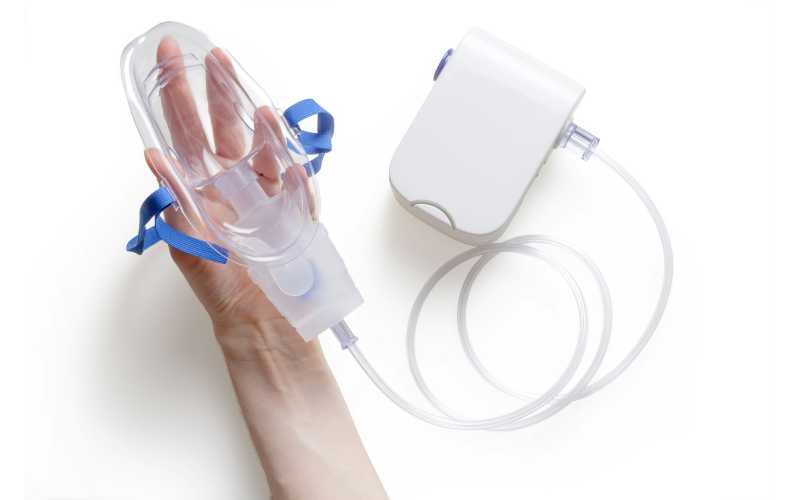
Full steps to get a free portable oxygen concentrator. (Image by Unsplash)
2. How to Get a Portable Oxygen Concentrator in 5 Steps
Getting a portable oxygen concentrator requires following a clear medical and insurance approval process. If you are learning how to get a free portable oxygen concentrator, understanding each step helps you avoid delays and improves your chances of approval.
Step 1: Get a Doctor’s Prescription
The first step is obtaining a prescription from a licensed healthcare provider. Your doctor will evaluate your condition and determine whether oxygen therapy is medically necessary. This typically includes reviewing symptoms, medical history, and oxygen levels.
Without a valid prescription, insurance programs like Medicare or Medicaid will not approve coverage. The prescription must clearly state the need for oxygen therapy and may include specific usage instructions.
Step 2: Complete Oxygen Testing
After receiving a prescription, you must complete oxygen testing to confirm your eligibility. Common tests include pulse oximetry or arterial blood gas measurements, which assess oxygen levels in your bloodstream.
Testing is usually performed at a clinic, hospital, or under supervised conditions at home. Accurate documentation is essential, as these results are submitted to insurance providers. Meeting the required criteria ensures your application is supported by verified medical evidence.
Step 3: Apply Through Medicare or Medicaid
Once your medical need is confirmed, the next step is applying through Medicare or Medicaid. These programs may cover oxygen equipment if you meet eligibility requirements and provide the necessary documentation. Coverage often includes rental or partial payment rather than full ownership.
Each program has specific rules, so understanding what is included is important. Submitting complete and accurate information can help prevent delays.
Step 4: Work With an Approved Supplier
After approval, you must obtain your device through an approved supplier. These suppliers are certified to provide durable medical equipment and work directly with Medicare or Medicaid for billing. They will guide you in selecting the right device and explain how to use it properly.
Working with an authorized supplier ensures that the equipment meets quality standards and is covered under your plan. They also provide maintenance support and answer questions, helping you use the device safely and effectively over time.
Step 5: Request a Portable Unit (Important Step)
Not all oxygen equipment provided through insurance is portable, so you must clearly request a portable oxygen concentrator. This is especially important if you need mobility for daily activities, travel, or outdoor use. Your doctor may need to include portability in the prescription.
Insurance providers often prioritize stationary units unless there is a clear medical justification for portability. By communicating your needs early and ensuring proper documentation, you increase your chances of receiving a portable unit instead of a home-only system.
3. Medicaid vs Medicare: Which Gives You Better Access?
Access to portable oxygen concentrators can vary depending on whether you are covered by Medicaid or Medicare, and each program follows different rules for approval and payment. Both options support oxygen therapy when it is medically necessary, but the level of coverage and out-of-pocket costs can make a significant difference for patients.
Medicare (Part B) covers oxygen equipment, including portable oxygen concentrators, but it typically does so under a rental model rather than full ownership.
Patients are usually responsible for around 20% of the approved cost after deductibles, and strict medical documentation is required to qualify.
In contrast, Medicaid coverage is more flexible and varies by state, but it may cover most or even all costs for eligible low-income individuals.
Medicare offers structured coverage with clear guidelines, but it often comes with cost-sharing and limitations. Medicaid, on the other hand, tends to provide better financial support and broader access for those who qualify, making it a more cost-effective option in many cases.
So, for those wondering how to get a free portable oxygen concentrator and which program gives them the better access, they can consider Medicaid.
4. What Else Do You Get With Medicaid Benefits?
Medicaid benefits can extend beyond healthcare by connecting eligible individuals to additional support programs that improve everyday life. One key example is the Lifeline program, a federal initiative that helps lower the cost of phone or internet services for qualifying households.
- Confirm your Medicaid eligibility and prepare proof, such as a benefits letter or official documentation
- Select a plan and choose a free phone option if it is offered based on current inventory
- Fill out the application form with accurate personal details, including your name, address, and date of birth
- Upload the required documents
- Review and submit your application, making sure all information is correct
- Wait for approval and delivery, with your device typically arriving within 7-10 business days, along with activation instructions
5. Final Thoughts
Finding the right path for how to get a free portable oxygen concentrator often comes down to understanding your coverage options and following the correct medical and insurance steps. Programs like Medicaid can ease the financial burden, while staying connected helps you manage appointments, approvals, and supplier coordination more effectively.