
On This Page
A new pair of shoes can look great, but it often comes with an unpleasant side effect: blisters. Whether you’re breaking in sneakers, dress shoes, boots, or work shoes, repeated rubbing against the skin can quickly turn a comfortable day into a painful one.
Blisters most commonly develop around the heel because that area experiences constant friction while walking. Fortunately, there are several simple ways to reduce rubbing and protect your feet before a blister has a chance to form.
Here’s how to stop shoes from blistering to help you enjoy new footwear without sacrificing comfort or risking heel pain.
1. Why Shoes Cause Blisters in the First Place?
Blisters develop when friction repeatedly rubs against the skin.
When your shoe moves slightly against your foot during walking, the upper layers of skin begin separating from the layers underneath. Fluid then collects between those layers, creating the blister.
Common causes include:
- Shoes that are too tight
- Shoes that are too loose
- Stiff materials that have not been broken in
- Excessive foot moisture
- Long periods of walking
- Thin socks that provide little protection
The American Academy of Dermatology explains that friction is one of the primary causes of blisters, especially on the feet during walking or athletic activities.
Heel blisters are particularly common because the back of the shoe repeatedly contacts the same area throughout the day.
For many people trying to learn how to stop shoes from blistering heels, reducing friction is the most effective solution.
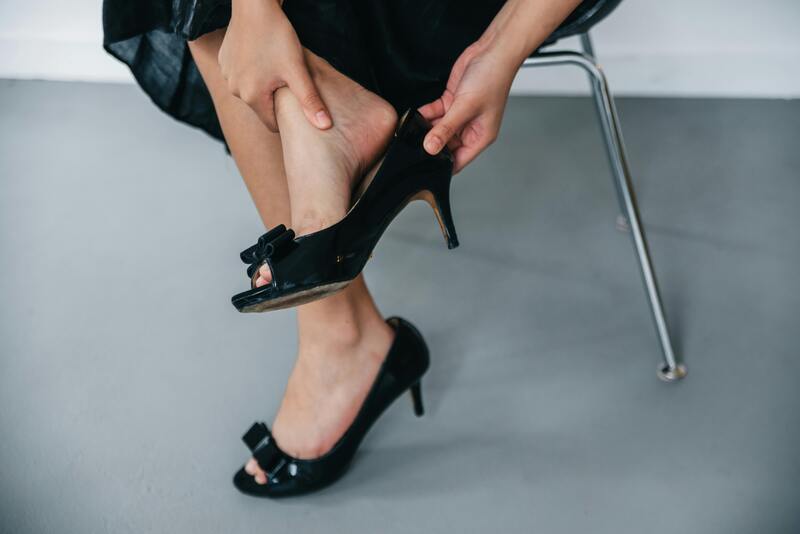
Heel pads can help reduce friction and prevent blisters while breaking in new shoes. (Image by Pexels)
2. How to Stop Shoes From Blistering Your Heels?
Use Heel Pads or Blister Cushions
Heel pads provide additional cushioning and help reduce direct contact between the shoe and the back of the heel.
Popular options include:
- Silicone heel pads
- Gel cushions
- Adhesive blister patches
- Moleskin padding
These products can be particularly useful when breaking in new footwear.
Many people searching for how to stop shoes from blistering heel find that heel pads offer immediate relief because they reduce the amount of rubbing that occurs with every step.
Wear Thicker or Moisture-Wicking Socks
Socks play a larger role in blister prevention than many people realize.
A good pair of socks can:
- Reduce friction
- Improve cushioning
- Control moisture
- Improve overall comfort
Moisture-wicking materials are especially helpful because sweat can increase friction and soften the skin, making blisters more likely.
Research published by the American Podiatric Medical Association notes that moisture management can play an important role in maintaining foot comfort during extended activity. If you’re looking for how to stop shoes from blistering heels, upgrading your socks may provide a surprisingly effective solution.
Apply Anti-Friction Products Before Wearing Shoes
Anti-friction products create a protective layer on the skin that helps reduce rubbing.
Popular options include:
- Anti-chafing balms
- Petroleum jelly
- Specialized blister prevention sticks
- Protective tape
Applying these products before putting on shoes can help minimize irritation throughout the day.
This technique is commonly used by runners, hikers, and travelers who spend long periods on their feet. For people researching “how to stop shoes from blistering”, prevention is usually easier than treating a blister after it forms.
3. How to Stop Dress Shoes From Blistering Heel Areas?
Dress shoes present a unique challenge because they are often made from stiffer materials and provide less cushioning than athletic footwear.
Anyone searching how to stop dress shoes from blistering heel should focus on gradually breaking in the shoes rather than wearing them for an entire day immediately.
Helpful strategies include:
- Wearing dress shoes indoors first
- Using heel cushions
- Wearing thicker socks during the break-in period
- Stretching tight areas professionally
- Applying anti-friction products before use
Leather dress shoes often become more comfortable after several wears as the material softens and molds to the shape of the foot.
According to the American Orthopaedic Foot & Ankle Society, properly fitting footwear is one of the most important factors in preventing common foot problems, including friction-related discomfort.
For professionals who regularly wear formal footwear, learning how to stop dress shoes from blistering heel areas can significantly improve comfort during long workdays.
4. Quick Fixes If You Already Feel a Blister Starting
Sometimes you notice a hotspot before a full blister develops.
Taking action immediately can prevent the situation from getting worse.
Quick solutions include:
- Applying a blister bandage
- Adding moleskin padding
- Adjusting sock thickness
- Re-tying shoes for a better fit
- Applying anti-friction balm
If possible, remove the shoe briefly and inspect the area before continuing to walk.
The earlier you address friction, the more likely you are to prevent a blister from fully forming. People learning how to stop shoes from blistering often find that responding quickly to early discomfort is one of the most effective prevention strategies.
If a blister has already developed, protecting it from further friction is generally recommended until the skin heals.
5. Final Thoughts
Knowing the causes of blisters is the first step toward preventing them. Friction, moisture, and poor shoe fit can all contribute to heel irritation and discomfort.
Simple adjustments such as using heel pads, choosing better socks, applying anti-friction products, and gradually breaking in new shoes can make a noticeable difference in comfort and help protect your feet from painful hotspots.