

On This Page
Managing diabetes already comes with enough daily decisions. Worrying about whether continuous glucose monitoring devices are covered should not make things harder.
For many seniors, the Dexcom G7 offers a more convenient way to track glucose levels without constant finger sticks. But before starting treatment, one important question usually comes up: is Dexcom G7covered by Medicare and what requirements need to be met for coverage?
Understanding how Medicare handles Dexcom G7 coverage, supplies, eligibility, and ongoing replacement costs can help patients avoid unexpected expenses and prepare for long-term diabetes management.
1. Is Dexcom G7 Covered by Medicare?
Yes, Medicare may cover Dexcom G7 continuous glucose monitoring systems for eligible patients who meet certain medical requirements.
In many situations, coverage is provided through Medicare Part B when Dexcom G7 is considered medically necessary for diabetes management. Patients typically need to meet specific eligibility guidelines related to insulin use, glucose monitoring needs, and physician documentation before coverage is approved.
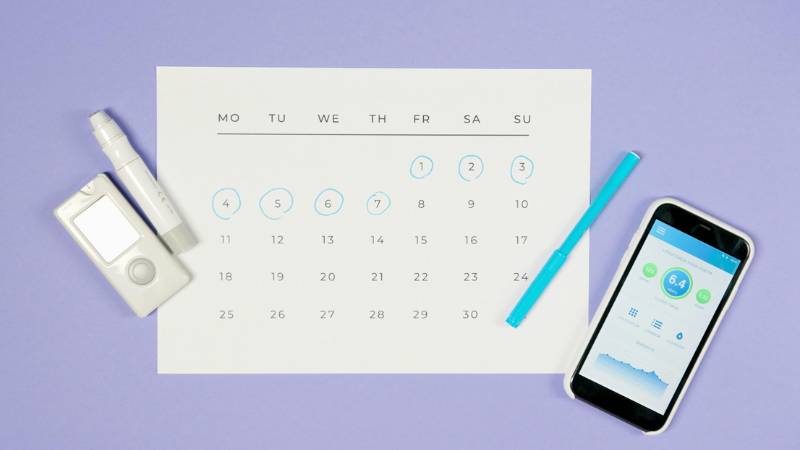
Medicare may cover Dexcom G7 systems for eligible diabetes patients who meet requirements related to insulin use, glucose monitoring needs, and physician-approved medical documentation. (Image by Pexels)
Depending on eligibility, Medicare coverage may include:
- Dexcom G7 receiver
- Sensors
- Certain replacement supplies
- Ongoing CGM-related equipment
For beneficiaries asking is Dexcom G7 covered by Medicare, approval is usually tied to factors such as:
- Insulin treatment status
- Frequency of glucose monitoring
- Diabetes management needs
- Doctor prescriptions
- Supporting medical records
Because Medicare rules can vary based on individual medical circumstances, patients often confirm coverage details directly with their doctor, supplier, or Medicare-approved provider before ordering supplies.
2. Who Qualifies for Medicare Coverage for Dexcom G7
Not every Medicare beneficiary with diabetes automatically qualifies for Dexcom G7 coverage. Medicare generally approves continuous glucose monitoring systems for patients who meet specific medical and treatment-related requirements.
Eligibility is often based on how diabetes is being managed and whether continuous glucose monitoring is considered medically necessary.
Patients Using Insulin
Patients who use insulin are among the groups most commonly approved for Dexcom G7 coverage through Medicare.
Frequent insulin use can increase the need for closer glucose monitoring throughout the day, especially for patients managing fluctuating blood sugar levels or adjusting insulin doses regularly.
Continuous glucose monitoring may help insulin users:
- Monitor glucose trends more consistently
- Respond faster to highs and lows
- Reduce repeated finger-stick testing
- Improve day-to-day glucose management
Because of these ongoing monitoring needs, insulin-dependent patients are often more likely to meet Medicare coverage criteria for CGM devices like Dexcom G7.
People Who Need Frequent Glucose Monitoring
Some patients may qualify because their condition requires frequent glucose tracking, even beyond routine daily checks.
Doctors may recommend continuous glucose monitoring for patients who:
- Experience frequent blood sugar fluctuations
- Have episodes of hypoglycemia
- Struggle with overnight glucose changes
- Require closer diabetes monitoring
- Need long-term glucose trend tracking
For these patients, Dexcom G7 can provide real-time glucose readings and alerts that support more consistent diabetes management throughout the day and night.
Medical necessity usually plays a major role in determining whether Medicare approves coverage.
Doctor Prescription and Documentation Requirements
Medicare coverage for Dexcom G7 generally requires a prescription and supporting medical documentation from a qualified provider.
Doctors may need to confirm:
- The diabetes diagnosis
- Insulin treatment status
- Medical necessity for CGM use
- Frequency of glucose monitoring
- Ongoing diabetes management needs
Additional records or follow-up appointments may also be required depending on the supplier and Medicare billing process.
Because approval depends heavily on documentation, patients often work closely with both their doctor and Medicare-approved supplier during the application and ordering process.
3. What Medicare Usually Covers for Dexcom G7
For patients asking is Dexcom G7 covered by Medicare, coverage usually includes the core components needed for continuous glucose monitoring when Medicare eligibility requirements are met.
The exact items covered can vary depending on medical necessity, supplier participation, and how the equipment is billed under Medicare Part B.
Dexcom G7 Receiver
The Dexcom G7 receiver is one of the primary devices Medicare may help cover for eligible patients.
The receiver allows users to:
- View glucose readings
- Monitor glucose trends
- Receive alerts for high or low blood sugar
- Track glucose levels throughout the day
Some patients may also use compatible smartphones with the Dexcom system, although Medicare coverage rules for phone compatibility and related apps can differ from coverage for the receiver itself.
Sensors and Supplies
Dexcom G7 sensors are also commonly included as part of Medicare-approved CGM coverage.
These sensors are worn on the body and continuously track glucose levels throughout the day and night. Since sensors need regular replacement, Medicare may help cover ongoing sensor supplies for qualifying patients.
Additional covered supplies may sometimes include:
- Sensor applicators
- CGM-related accessories
- Replacement components tied to approved equipment
Coverage details often depend on the supplier and the patient’s approved treatment plan.
Ongoing Replacement Coverage
Continuous glucose monitoring systems require ongoing replacement supplies over time.
Because Dexcom G7 sensors are designed for limited wear periods, Medicare may continue covering replacement sensors for eligible patients receiving ongoing diabetes treatment and monitoring.
Continued coverage often depends on:
- Maintaining Medicare eligibility
- Ongoing medical necessity
- Active diabetes treatment
- Updated physician documentation
- Regular follow-up care
Some suppliers may also request periodic prescription renewals or updated medical records before shipping additional supplies.
4. What Costs Might You Still Pay?
Getting approved for Dexcom G7 coverage does not always mean every expense is fully covered. Depending on the Medicare plan setup, supplier, and replacement schedule, some patients may still pay part of the overall cost.
This is one reason many beneficiaries continue researching is Dexcom G7 covered by Medicare even after their CGM system is approved.
Medicare Part B Deductible
Dexcom G7 coverage is generally processed through Medicare Part B when eligibility requirements are met.
Before Medicare begins paying its share, patients may still need to satisfy the yearly Part B deductible. If the deductible has not yet been met, some of the initial equipment or supply costs could become the patient’s responsibility.
The amount can vary from year to year depending on current Medicare rules and additional insurance coverage.
Coinsurance Costs
Even after the deductible is met, Medicare beneficiaries may still owe coinsurance for certain Dexcom G7 expenses.
This can sometimes include:
- CGM receivers
- Sensors
- Replacement supplies
- Related diabetes monitoring equipment
In many cases, patients are responsible for a percentage of the Medicare-approved amount unless supplemental insurance helps reduce those costs.
Since Dexcom G7 requires ongoing sensor replacements, recurring expenses may still be part of long-term diabetes management.
Supplier and Pharmacy Differences
Where patients obtain Dexcom G7 supplies can also affect total costs.
Some beneficiaries receive equipment through:
- Medicare-approved durable medical equipment suppliers
- Participating pharmacies
- Diabetes supply providers
Billing practices may differ between suppliers, and not every company accepts Medicare assignment. Because of this, patients sometimes compare suppliers before ordering CGM equipment.
Before placing an order, it may help to confirm:
- Whether the supplier works directly with Medicare
- Estimated out-of-pocket costs
- Replacement supply billing frequency
- Refill and prescription renewal requirements
Understanding these details early can help avoid billing surprises later.
5. How to Get Dexcom G7 Through Medicare
The process for obtaining Dexcom G7 through Medicare usually involves medical evaluation, documentation, and ordering equipment through an approved supplier.
Because coverage approval depends heavily on medical necessity, patients often complete several steps before supplies can be shipped.
Talk to Your Doctor
The first step is usually discussing continuous glucose monitoring with a doctor or diabetes specialist.
Providers typically review:
- Insulin use
- Blood sugar patterns
- Frequency of glucose monitoring
- Hypoglycemia history
- Overall diabetes management needs
If Dexcom G7 is considered medically appropriate, the doctor may write a prescription and begin preparing the supporting documentation required for Medicare approval.
Choose a Medicare-Approved Supplier
After receiving a prescription, patients usually order Dexcom G7 equipment through a Medicare-approved supplier or participating provider.
Working with a supplier familiar with Medicare billing may help simplify:
- Coverage verification
- Paperwork processing
- Equipment ordering
- Replacement supply coordination
Some suppliers also help patients confirm eligibility before shipping CGM equipment.
Submit Required Documentation
Medicare approval generally requires supporting medical records showing that continuous glucose monitoring is medically necessary.
Depending on the situation, documentation may include:
- Diabetes diagnosis records
- Insulin treatment history
- Glucose monitoring records
- Physician prescriptions
- Follow-up treatment information
Once the paperwork is reviewed and approved, eligible patients may begin receiving Dexcom G7 equipment and replacement supplies through their approved Medicare supplier network.
6. How Lifeline Phone Benefits Can Help Lower Daily Expenses for Seniors Managing Diabetes
Diabetes management does not stop after a doctor’s appointment. Many seniors rely on their phones every day to refill prescriptions, contact specialists, schedule transportation, access telehealth services, or stay connected with caregivers and family members during emergencies.
Over time, monthly phone bills can become another ongoing expense added to medications, glucose monitoring supplies, and regular medical care.
The Lifeline program was created by the federal government to help eligible low-income households afford essential phone and internet services.
Many seniors who are enrolled in Medicare may also qualify for Medicaid based on their income level. Because Medicaid participation is one of the qualifying factors for Lifeline, this means some seniors managing diabetes could be eligible for reduced-cost or even free monthly phone service through participating providers.
- Free monthly talk
- Unlimited text
- Mobile data
- Free international calling to select countries
- Free or discounted smartphones, depending on availability
Many users can also keep their current phone through Bring Your Own Device support on compatible devices, helping avoid the extra cost of purchasing another smartphone.
Eligibility is commonly based on participation in programs such as:
- Medicaid
- SNAP
- SSI
- Federal Public Housing Assistance
- Veterans Pension benefits
Some households may also qualify through income-based eligibility requirements, depending on state guidelines.
For seniors already balancing multiple health-related expenses, reducing monthly phone costs can make everyday diabetes management a little easier financially while helping maintain reliable access to care and support.
FAQs
Is Dexcom G7 covered by Medicare Part B?
Yes. In many cases, Dexcom G7 coverage is handled through Medicare Part B when the device qualifies as medically necessary durable medical equipment for eligible diabetes patients.
Is the Dexcom G7 covered by Medicare?
Medicare may cover Dexcom G7 for qualifying beneficiaries who meet requirements related to insulin use, glucose monitoring needs, and physician documentation.
Is Dexcom G7 covered by Medicare Part D?
Dexcom G7 is typically associated with Medicare Part B coverage rather than Medicare Part D because continuous glucose monitoring systems are generally classified as durable medical equipment.
Dexcom G7 is it covered by Medicare for replacement sensors?
Medicare may continue covering Dexcom G7 replacement sensors for eligible patients receiving ongoing diabetes treatment and maintaining required medical documentation.
Conclusion
For many seniors managing diabetes, continuous glucose monitoring can become part of everyday health care rather than an occasional tool. Is Dexcom G7 covered by Medicare is an important question because ongoing CGM supplies, replacement sensors, and monitoring equipment can become expensive over time. Medicare may help cover Dexcom G7 for eligible beneficiaries when medical necessity and documentation requirements are met.
Checking eligibility early, working with Medicare-approved suppliers, and understanding potential out-of-pocket costs can help patients prepare for more consistent long-term diabetes management.
Related SenGov Guides
- Does Medicaid Cover Genetic Testing While Pregnant? Critical Coverage Rules Every Expecting Mom Should Know 2026
- Pregnancy Medicaid Explained: Income Limits, Coverage Rules, and Postpartum Benefits You Should Know 2026
- Does Medicaid Cover Couples Therapy and Family Counseling 2026: Rules You Should Know
- Does Medicare Cover Bone Density Test? Important Coverage Rules to Know