
On This Page
Diabetes affects millions of people and often requires daily management, medication, and regular medical monitoring. Because the condition can impact a person’s ability to work or perform certain activities, many individuals wonder “is diabetes a disability” under the law.
The answer depends on several factors, including the severity of the condition and how it affects a person’s daily life. In some situations, diabetes may qualify as a disability under federal law or certain government assistance programs.
In this guide, we’ll explain whether diabetes is a disability, when diabetes may qualify for disability benefits, and what additional support programs some patients may be eligible for.
1. Is Diabetes a Disability?
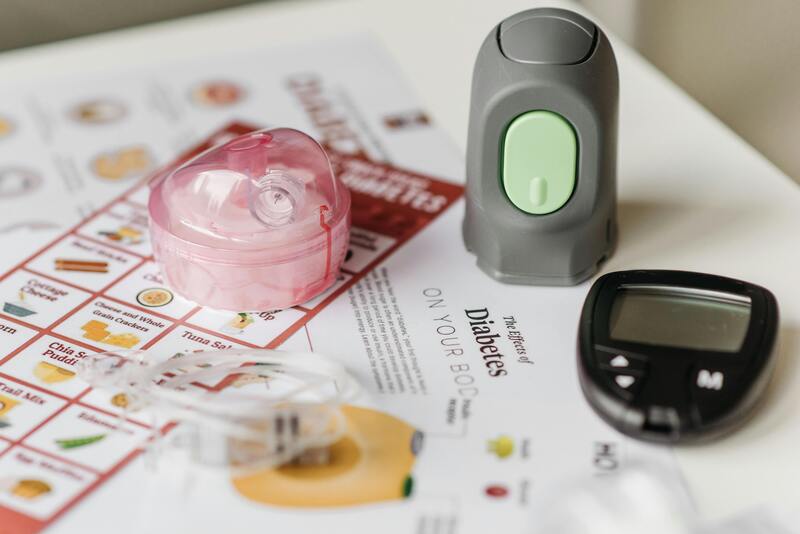
Person monitoring blood sugar levels while managing diabetes. (Image by Pexels)**
The question is diabetes a disability does not have a simple yes-or-no answer. In general, diabetes can be considered a disability under certain legal and medical circumstances.
Under U.S. law, a disability is typically defined as a physical or mental condition that substantially limits one or more major life activities. If diabetes significantly interferes with daily activities such as working, eating, or caring for oneself, it may meet this definition.
However, not every diabetes diagnosis automatically qualifies as a disability. Eligibility often depends on the severity of the condition and how it affects a person’s ability to function.
2. Is Diabetes Considered a Disability Under Federal Law?
A common question is is diabetes considered a disability under federal law.
In many cases, diabetes can qualify as a disability under the Americans with Disabilities Act (ADA). The ADA protects individuals whose medical conditions substantially limit major life activities.
This means people with diabetes may be entitled to reasonable accommodations in areas such as:
- employment
- education
- public services.
However, each situation is evaluated individually. Not every person with diabetes automatically receives disability protections.
This is one reason why the question is diabetes a disability often depends on the specific circumstances of the individual.
3. Is Type 2 Diabetes Considered a Disability?
Type 2 diabetes may qualify as a disability if it causes serious complications that limit a person’s ability to perform daily activities or maintain employment.
Examples of complications that may affect disability eligibility include:
- Severe nerve damage (neuropathy)
- Vision problems or blindness
- Kidney disease
- Difficulty maintaining blood sugar control.
If these complications significantly limit work capacity, a person may qualify for disability protections or benefits.
4. When Diabetes May Qualify for Disability Benefits?
Some individuals with diabetes may qualify for disability benefits through programs such as Social Security Disability Insurance (SSDI) or Supplemental Security Income (SSI).
However, approval typically requires medical documentation showing that the condition significantly limits a person’s ability to work.
Examples of qualifying circumstances may include:
- severe complications related to diabetes
- long-term inability to maintain stable blood sugar levels
- medical conditions linked to diabetes that impair mobility or organ function.
The Social Security Administration evaluates medical records, treatment history, and functional limitations when reviewing disability applications.
Because eligibility rules can be strict, determining if diabetes is considered a disability for benefit programs often requires medical evidence and professional evaluation.
5. A Little-Known Resource Many Diabetes Patients Qualify For
Many individuals managing chronic conditions like diabetes may also qualify for additional assistance programs that help support everyday needs.
One example is the Lifeline program, a federal initiative designed to help low-income households maintain access to communication services.
People who qualify for certain assistance programs, including SSI or Medicaid, may also be eligible for Lifeline benefits.
This program helps ensure individuals can stay connected with:
- healthcare providers
- pharmacies and medical services
- family members and support networks.
For people managing long-term health conditions, consistent communication access can be an important part of coordinating care and receiving timely support.
For people living with chronic conditions like diabetes, staying connected is not just convenient, it can be essential for managing health and daily life. Many patients rely on their phones to monitor health data, schedule medical appointments, and stay in contact with healthcare providers.
These devices are designed to help users:
- make voice calls to healthcare providers
- send messages and receive appointment reminders
- access telehealth services and patient portals
- use mobile health apps to track glucose levels or medications.
For individuals managing diabetes, these tools can make daily health management much easier.
Available device categories may include:
- Apple iPhones: iPhones provide a simple interface, reliable performance, and built-in health features such as the Apple Health app. These tools can help users monitor health data and manage appointments.
- Samsung Galaxy smartphones: Samsung devices support a wide range of health and productivity apps, making them useful for users who rely on medical tracking tools or telehealth communication.
- Motorola smartphones: Motorola devices are known for their long battery life and straightforward Android interface, which can be helpful for users who rely on their phone throughout the day.
- TCL and other Android smartphones
These devices provide affordable access to modern smartphone features such as internet browsing, messaging apps, and healthcare platforms.
Because many healthcare services now rely on digital communication, smartphones can play a critical role in helping individuals manage chronic conditions.
For example, users may be able to:
- track blood glucose readings using mobile apps
- set medication reminders
- communicate with doctors through telehealth platforms
- receive alerts from health monitoring devices
- access pharmacy and insurance apps.
These features make smartphones valuable tools for managing health and staying connected with care providers.
9. FAQs
What benefits can I claim if I have diabetes?
In the USA, if you have diabetes you may qualify for:
- SSDI or SSI: monthly cash benefits if diabetes limits your ability to work
- Medicare: health coverage, especially if you’re on SSDI for 24+ months
- Medicaid: free or low-cost health insurance based on income
- SNAP: food assistance based on household income
- Extra Help (LIS): helps cover Medicare prescription drug costs
- Lifeline Program: free or discounted phone service if you’re on Medicaid or SSI
- State Pharmaceutical Assistance Programs (SPAPs): help with medication costs, varies by state
Is diabetes considered a disability under federal law?
Yes, diabetes may qualify as a disability under laws such as the Americans with Disabilities Act if it substantially limits daily activities.
Is type 1 diabetes a disability?
Type 1 diabetes may qualify as a disability depending on how it affects the individual’s daily functioning and medical condition.
Final Thoughts
The question is diabetes a disability depends largely on how the condition affects an individual’s daily life and ability to work.
While not every diabetes diagnosis automatically qualifies as a disability, federal laws and benefit programs may provide protections or assistance for individuals whose condition significantly limits their activities.
Understanding these eligibility rules can help individuals explore the resources and support programs available to them.