
On This Page
Is epilepsy a disability? Epilepsy can qualify as a disability when it substantially limits major life activities, such as work, education, or daily functioning. Recognizing epilepsy as a disability opens the door to protections under federal law, workplace accommodations, and government benefits like SSI or SSDI.
1. Is Epilepsy a Disability?
Is epilepsy considered a disability? Yes, epilepsy is recognized as a disability under legal, social, and medical frameworks when it significantly affects daily life, including limitations in work, memory, mobility, or self-care.
Understanding whether epilepsy is considered a disability helps individuals access protections under federal law, workplace accommodations, and government benefits designed to support those managing chronic conditions. This recognition ensures fair treatment and access to resources that improve the quality of life for people living with epilepsy.
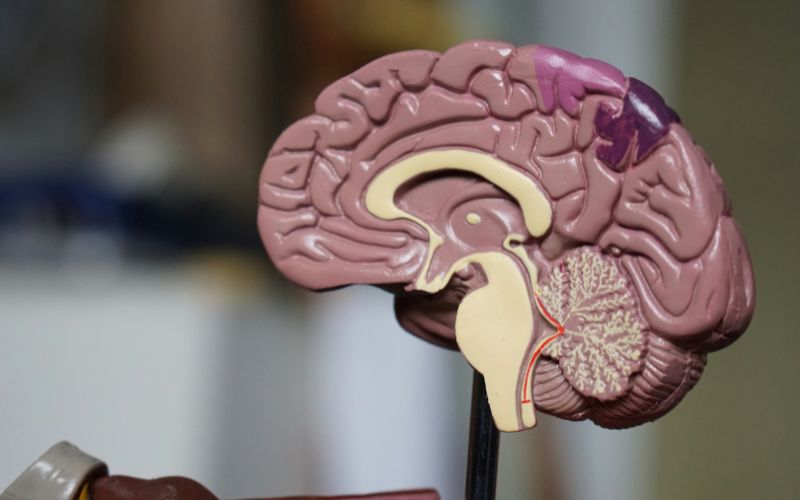
Is epilepsy a disability? (Image by Unsplash)
2. When Epilepsy Is Considered a Disability
Epilepsy can meet the legal definitions of a disability in different contexts depending on how it affects your life and work. Many people ask, ” Is epilepsy a disability?”, and both workplace protections and federal benefit programs use specific standards to determine when epilepsy qualifies, ensuring that those with significant limitations from seizures receive appropriate support.
Under the ADA
Under the Americans with Disabilities Act (ADA), epilepsy is generally considered a disability when it substantially limits one or more major life activities, such as working, learning, concentrating, or caring for oneself. This federal civil rights law protects individuals with epilepsy from discrimination in employment, access to public services, and other areas of daily life by requiring reasonable accommodations.
Whether you experience frequent seizures or side effects from medication that affect major bodily functions, the ADA’s broad definition helps ensure your rights are upheld regardless of seizure control. Employers must engage in an interactive process to provide accommodations like modified schedules or safety adjustments so you can perform essential job functions without discrimination.
Under SSA (SSI Eligibility)
For Social Security disability programs like SSI, eligibility for epilepsy benefits requires showing that the condition prevents you from engaging in substantial gainful activity due to medically documented limitations. The Social Security Administration (SSA) evaluates epilepsy using specific criteria in its “Listing of Impairments,” including seizure type, frequency, and persistence despite prescribed treatment.
To qualify, you generally must demonstrate that seizures or related functional limitations significantly interfere with work or daily functioning over an extended period, such as 12 months or more. This evaluation determines whether your epilepsy meets the strict disability definition used to award SSI benefits, reflecting both the medical evidence and functional impact of your condition.
3. How Lifeline Helps People On Support Programs
If you receive SSI due to epilepsy or another qualifying condition, you may also be eligible for the Lifeline Program, a federal benefit that helps reduce the cost of phone and internet services.
Lifeline eligibility is straightforward. You can qualify either through participation in programs like SSI or by meeting income requirements. For many people living with epilepsy, SSI qualification makes the process much simpler and faster.
Access to reliable phone service is especially important for individuals managing epilepsy. Because seizures can happen unexpectedly, having a working phone means you can quickly reach emergency services, contact a caregiver, or stay in touch with family for support. It also makes it easier to schedule doctor appointments, receive medication reminders, and manage daily health needs.
By combining SSI benefits with Lifeline support, people living with epilepsy can maintain better communication, improve access to care, and gain more independence in their everyday lives.
*»> Also read: *Top 5 Free Phones For Seniors On Social Security & How To Apply
4. FAQs About Epilepsy and Disability
Understanding epilepsy as a disability can be confusing, especially when it comes to eligibility, available benefits, and your ability to work. Many factors, such as the severity and frequency of seizures, can affect how it is evaluated. These frequently asked questions help clarify how epilepsy is recognized under different programs and what steps you may need to take to access the support and resources available to you.
Is epilepsy automatically considered a disability?
No, epilepsy is not automatically considered a disability. It must substantially limit one or more major life activities, such as working, learning, or performing daily tasks. The severity, frequency of seizures, and treatment impact are all considered when determining disability status.
What evidence do I need for epilepsy disability?
You will need detailed medical records documenting your diagnosis, seizure type, frequency, and treatment history. Statements from your doctor about how epilepsy affects daily functioning are crucial. Additional evidence may include hospital records, medication logs, and any reports on how seizures interfere with work or school.
Can I work while having epilepsy?
Yes, many people with epilepsy can work, especially if seizures are controlled. However, some may require workplace accommodations like flexible schedules or safety adjustments. It’s important to discuss your needs with your employer while understanding your rights under the ADA.
How much is a disability check for epilepsy?
For those receiving Social Security Disability Insurance (SSDI), payments are based on your work history, with the average benefit around $1,630 per month in 2026 and a maximum that can reach about $4,130.50.
If you qualify for Supplemental Security Income (SSI), which is designed for individuals with limited income and resources, the federal maximum benefit is typically up to $994 per month in 2026, though actual payments may vary depending on your situation.
Final Words
Understanding epilepsy as a disability helps you access the protections, benefits, and support systems designed to improve your quality of life. While not every case qualifies automatically, those with significant limitations may receive assistance through programs like SSI or workplace accommodations under federal law.