

On This Page
If you are wondering, “Is MediCal the same as Medicaid?“, you are not alone. The terms sound similar, and in some states, they are closely connected, but they are not always interchangeable.
Medicaid is a federal and state health coverage program for eligible low-income individuals, while names like Medi-Cal refer to specific state versions of Medicaid. Confusion between these terms can lead to misunderstandings about eligibility, income limits, or renewal requirements.
In this guide, we explain how Medicaid, Medi-Cal, and Medicare differ, and why understanding these distinctions matters for maintaining your coverage.
1. Is MediCal the Same as Medicaid?
Yes, but with an important distinction. Medi-Cal is California’s version of Medicaid, not a separate or different program.
Medicaid is a federal and state health insurance program that provides medical coverage to eligible low-income individuals and families across the United States. While the program follows federal guidelines, each state manages its own Medicaid system and may use a different name.
In California, Medicaid operates under the name Medi-Cal. This means Medi-Cal offers the same core benefits and serves the same purpose as Medicaid, but it is administered specifically by the State of California.
To clarify:
- Medicaid = The nationwide public health insurance program funded by federal and state governments
- Medi-Cal = California’s state-run Medicaid program
So, Medi-Cal is not different from Medicaid. It is simply what Medicaid is called in California.
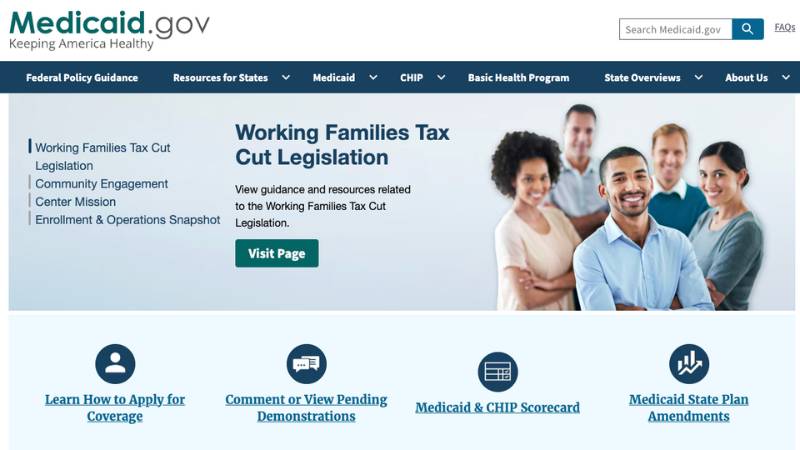
Medicaid is a specific government health insurance program for eligible low-income individuals, so they are not the same.
2. Why People Often Confuse Medical, Medicaid, and Medi-Cal
Confusion usually happens because Medicaid programs are administered at the state level and may operate under different names. For example, in California, Medicaid is called Medi-Cal. This leads many people to assume Medi-Cal is a completely separate program when it is actually California’s version of Medicaid.
Another common question is, is Medicare the same as Medi-Cal? The answer is no. Medicare is a federal health insurance program primarily for people age 65 and older or for certain individuals with disabilities.
Medicaid, including Medi-Cal, is based on income and household eligibility rather than age alone.
Here is a simple breakdown:
- Medicaid: Federal and state program for eligible low-income individuals.
- Medi-Cal: California’s name for its Medicaid program.
- Medicare: Federal program mainly for seniors and certain disabled individuals.
- Medical: A general term referring to healthcare services, not a specific insurance program.
Because the names sound similar, many applicants misunderstand which program they are enrolled in. This confusion can affect how people check eligibility, submit renewals, or verify benefits. Knowing the correct program name helps ensure you follow the right rules and income guidelines for your state.
3. What is the Difference Between Medical and Medicaid
Medi-Cal is California’s Medicaid program, but it does not operate exactly the same as Medicaid programs in other states. While all Medicaid programs follow federal guidelines, each state has the flexibility to design certain rules, benefits, and enrollment processes. As a result, Medi-Cal includes several features that may differ from Medicaid coverage elsewhere.
One major difference is eligibility expansion. California has broadened Medi-Cal access more than many states, allowing more low-income adults to qualify based on income rather than age, disability status, or family structure alone. This means some individuals eligible in California may not qualify for Medicaid in stricter states.
Medi-Cal also often provides expanded benefits beyond basic federal requirements. These can include enhanced preventive care, behavioral health services, and community-based support programs focused on long-term health and wellness.
Another distinction is the managed care system. Most Medi-Cal members receive services through county-based managed care plans, so provider networks and plan options may vary depending on where a person lives within California.
In short, Medicaid is the nationwide public health insurance framework, while Medi-Cal is California’s customized version of the program. Although they share the same purpose, providing coverage for eligible low-income individuals, Medi-Cal reflects California-specific policies designed to expand access and improve healthcare support for state residents.
4. Why Missing Updates Can Affect Your Medicaid or Medi-Cal Coverage
Whether you are enrolled in Medicaid or Medi-Cal, maintaining coverage depends on timely updates and income verification. Many coverage interruptions happen not because someone is ineligible, but because required information was not submitted on time.
Medicaid programs conduct periodic eligibility reviews. These may include:
- Annual renewals
- Income verification checks
- Address confirmation
- Household composition updates
- Requests for additional documentation
If the agency cannot verify your information or does not receive the requested documents by the deadline, your coverage may be paused or terminated until the issue is resolved.
Communication plays a critical role in this process.
How Eligibility and Income Checks Are Communicated
State Medicaid agencies typically notify members through:
- Mailed renewal notices
- Online member portals
- Text or automated phone reminders in some states
- Direct phone calls from eligibility workers
If your income changes, you move, or your household size changes, you are usually required to report it within a specific timeframe. Failure to respond to verification requests may result in delayed processing or temporary loss of coverage.
Because program names differ by state, notices may reference Medicaid, Medi-Cal, or your state’s official program name. Misunderstanding the terminology can cause people to overlook important updates.
Why Reliable Phone Access Helps You Keep Your Coverage
Reliable phone access can make a significant difference when responding to Medicaid or Medi-Cal updates. Eligibility workers often attempt to resolve minor discrepancies over the phone before issuing formal termination notices.
For individuals with limited income, consistent phone service is not always guaranteed. Service interruptions or missed calls can result in delayed responses to verification requests.
The Lifeline program is a federal assistance program that helps eligible low-income households reduce the cost of phone or internet service. While Lifeline does not manage Medicaid enrollment, it helps individuals remain reachable for renewal reminders, eligibility confirmations, and documentation follow-ups.
Conclusion
So, is medical the same as Medicaid? Essentially, yes, Medi-Cal is California’s official Medicaid program, operating under the same federal framework but with state-specific rules, benefits, and administration. Understanding this relationship helps prevent confusion when reviewing eligibility requirements, completing applications, or responding to official notices that may use either term.
Staying attentive to updates and responding quickly to verification requests can help ensure your Medicaid or Medi-Cal coverage remains active without unnecessary interruptions.
FAQS
What is the maximum income to qualify for Medi-Cal?
Income limits for Medi-Cal depend on your eligibility category, household size, and age. For many adults under 65, eligibility is generally based on a percentage of the Federal Poverty Level. Exact income thresholds vary by year and program category, so checking current California Medi-Cal guidelines is recommended.
Can you have both Medi-Cal and Medicaid?
No. Medi-Cal is California’s name for its Medicaid program. They are not separate programs. However, some individuals may qualify for both Medicaid or Medi-Cal and Medicare at the same time if they meet eligibility requirements for each program.
Related SenGov Guides
- Can A College Student Get Medicaid? Health Insurance & Extended Perks for College Students
- Does Medicaid Cover Breast Reduction? Eligibility and Medical Necessity
- Does Medicaid Cover Circumcision? Medical Rules, State Differences, and What to Check First
- Does Medicaid Cover Incontinence Supplies? When Coverage Applies and How to Get Them