
On This Page
Low income apartments Dallas are designed to support working renters whose income does not stretch far enough to cover rising rent costs. As Dallas continues to grow as a major job and business hub, demand for affordable housing has increased while availability remains limited.
Many renters earn steady income but still struggle to qualify for market-rate apartments. This guide explains how low income apartments work in Dallas, what income rules affect eligibility, and how renters can approach the application process more efficiently.
1. Why Dallas Attracts Renters and Why Low Income Apartments Fill Fast
Dallas continues to draw renters because it offers steady job growth, diverse industries, and a lower cost of living than many coastal cities. For many working households, the city represents opportunity.
However, rental prices have increased faster than wages in recent years, especially in areas close to employment centers and public transportation.
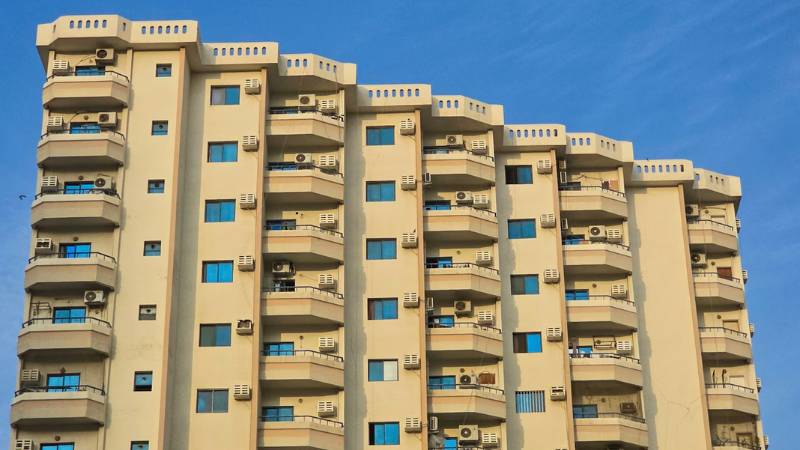
Rising housing costs and short application windows make low income apartments in Dallas highly competitive. (Image by Unsplash)
As more renters look for stability, demand for low income apartments Dallas TX has surged. These apartments fill quickly because they offer predictable rent in a market where month-to-month increases are common. Even renters with full-time jobs often find themselves priced out of market-rate units, pushing them toward income-restricted housing.
Another reason units fill fast is timing. Application windows are short, waiting lists open without much notice, and competition comes from both long-time residents and new arrivals. In Dallas, knowing when and where to apply often matters just as much as meeting income requirements.
»> Also read: Support for Low Income Families In the US: Benefits, Housing, Medical Assistance & More
2. Income Rules That Affect Apartment Eligibility in Dallas
Income eligibility for low income apartments in Dallas is not as simple as earning below a single number. Housing programs evaluate income patterns, household composition, and consistency over time.
Why Hourly Wages and Variable Income Matter
Many renters in Dallas work hourly or shift-based jobs. Housing providers usually look at average monthly or annual income rather than recent paychecks alone. Overtime, seasonal work, or fluctuating hours can affect how income is calculated.
For renters with variable income, accurate documentation becomes important. Underreporting or inconsistent income records can delay reviews or raise eligibility questions, even when overall earnings fall within required limits.
How Household Size Changes Eligibility
Household size plays a significant role in determining eligibility. Larger households are allowed higher income limits than single applicants, which can expand eligibility for families sharing a unit.
Housing providers also review how many people will live in the apartment to ensure the unit size matches program guidelines. Applying for a unit that does not align with household size can result in reassignment or delays.
3. Types of Low Income Apartments Commonly Found in Dallas
Low income apartments in Dallas do not all function the same way, and renters often get stuck by assuming every “affordable” unit follows identical rules.
Some apartment communities are built specifically for income-restricted renters. These properties usually cap rent below market levels and require income verification at move-in and during lease renewals. They tend to attract steady demand because rent increases are more predictable.
Other options appear inside mixed-income developments. In these communities, affordable units exist alongside market-rate apartments. Availability is limited, and openings may not be obvious unless renters ask directly about income-qualified units.
There are also older apartment complexes that quietly reserve a portion of units for income-qualified renters through affordability agreements. These listings may not be labeled clearly online, which means renters who only search by price often overlook them.
In Dallas, knowing how an apartment is categorized can help renters avoid applying to properties they are unlikely to qualify for or missing ones they actually can.
4. How to Apply for Low Income Apartments Dallas Without Losing Time or Missing Openings
Applying for low income apartments in Dallas works best when renters follow a clear sequence instead of reacting last minute. A step-by-step approach helps reduce missed opportunities.
Step 1: Identify the right apartment type first
Before applying, confirm whether the property is income-restricted, mixed-income¹/erate with affordable units, or part of a housing program. This prevents wasted applications to apartments you cannot qualify for.
Step 2: Check income limits against your household size
Reviewincome thresholds and household rules in advance. Knowing where you stand helps you focus only on apartments that match your eligibility.
Step 3: Prepare documents before applications open
Most properties require income verification, identification, and household details. Having these ready allows you to apply immediately when openings appear.
Step 4: Monitor openings consistently
Application windows may open briefly and fill quickly. Renters who check listings and housing sources regularly are more likely to apply on time.
Step 5: Submit complete and accurate applications
Incomplete or inconsistent information often leads to delays or disqualification. Double-check details before submitting.
Step 6: Stay reachable after applying
Property managers may contact applicants to verify information or offer a unit. Missing a response can result in losing your spot.
Following these steps helps renters move through the process more efficiently and reduces the risk of missing available low income apartments in Dallas.
5. Free Phone Support for Low-Income Dallas Residents
For many working renters in Dallas, housing applications are lost not because of income, but because of missed communication. The process often stretches over weeks or months and depends on timely responses to calls or follow-up requests.
Property managers and housing offices commonly contact applicants to verify income details, confirm availability, or offer a unit with a short response window. When renters work hourly jobs, rotate shifts, or rely on unstable phone service, missed calls become a real barrier to securing housing.
Reliable phone access helps applicants stay reachable during long review periods and reduces the risk of losing their place on a waiting list due to missed communication.
Staying Reachable During Housing Applications with Lifeline
The Lifeline program is a federal assistance program that provides low-cost phone service to eligible low-income households. By offering monthly discounts for phone/internet services, Lifeline supports access to everyday necessities such as housing coordination, employment communication, healthcare providers, and government services.
In Dallas, Lifeline-supported phone service allows working renters to remain reachable throughout the housing application process. With reliable phone access, applicants can respond quickly to landlord inquiries, verification requests, and unit availability notices, often within short response windows.
The process includes choosing a Lifeline plan, reviewing available smartphone options, and confirming eligibility through income guidelines or participation in qualifying programs such as SNAP or Medicaid. If requested, applicants submit supporting documentation before completing enrollment and waiting for approval.
Having stable phone service helps working renters stay reachable and avoid missed housing opportunities.
Conclusion
Finding low income apartments Dallas requires more than searching for lower rent. Working renters must understand income rules, application timing, and how quickly affordable units fill.
Staying organized and reachable throughout the process plays a critical role, especially when response windows are short. With preparation and consistent communication, renters can improve their chances of securing affordable housing in Dallas.
FAQs
What is considered low income in Dallas?
Low income is defined using household income limits based on the Dallas area’s Area Median Income (AMI). The exact threshold depends on household size and the housing program.
What qualifies for low income in Texas?
Eligibility is based on income relative to local AMI, household size, and program-specific requirements. Income limits vary by city and housing authority.
What benefits do low-income people get in Texas?
Eligible individuals may qualify for housing assistance, healthcare programs, food assistance, and utility support, depending on income level and household situation.
Related SenGov Guides
- Low Income Apartments Indianapolis: How Renters Find Affordable Housing in 2026
- Low Income Apartments Explained: Who Qualifies and How to Find Affordable Housing
- Low Income Apartments Miami: Proven Ways to Find Housing That Fits Your Income
- Low Income Apartments Sacramento: How to Find Affordable Housing Options Today