

On This Page
Low income apartments Denver exist in one of the most expensive housing markets in the region. As rents continue to rise, many working renters turn to income restricted housing to stay within budget.
Unlike cities with larger affordable housing inventories, Denver offers fewer options and stricter application timelines. Renters who understand how local programs operate and how applications are reviewed are more likely to avoid delays and missed opportunities in this competitive market.
1. Why Low Income Apartments Denver Are Harder to Access Than Most Cities
Denver’s housing market has changed rapidly over the past decade. Population growth, limited land for new development, and strong demand from higher income renters have pushed prices upward across the city.
Affordable housing has not expanded at the same pace. Many income restricted properties operate with fixed unit counts and long waiting lists. As a result, renters who qualify on paper may still wait extended periods before an opportunity becomes available.
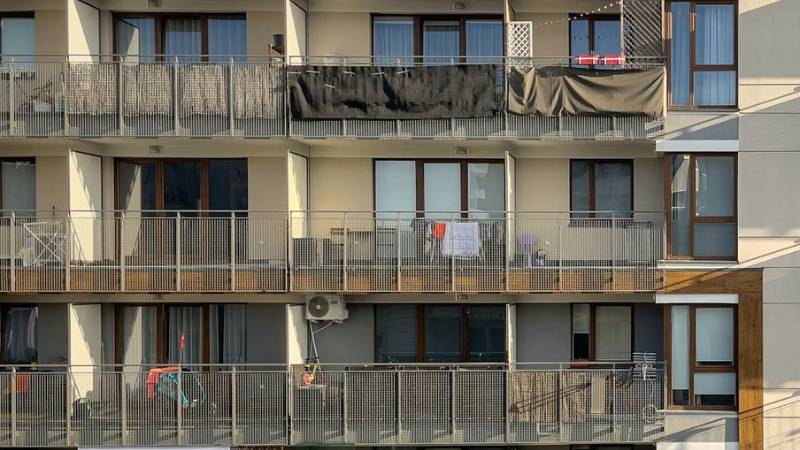
Rising housing costs and short application windows make low income apartments in Denver highly competitive. (Image by Unsplash)
Another challenge is competition across income levels. In Denver, income restricted apartments often attract applicants who earn near the upper eligibility limits, which reduces availability for households with lower or unstable income. This dynamic makes access more difficult compared to cities with larger affordable housing inventories.
2. Types of Low Income Apartments You’ll Encounter in Denver
Low income apartments Denver are available through several housing models, each with different eligibility rules and application processes.
Some properties are owned and managed by local housing authorities. These apartments offer income based rent and are typically reserved for households with the lowest incomes. Due to limited availability, waiting lists are common.
Other options are privately owned apartment communities that participate in affordability programs. These properties offer reduced rent units within larger developments and often require income verification at move in and during lease renewals.
In certain neighborhoods, mixed income communities include a small number of income restricted units alongside market rate apartments. These units may not be widely advertised, and renters often need to contact property management directly to learn about availability.
»> Also read: Low Income Apartments for Rent: Eligibility, Waiting Lists, and How to Apply the Right Way
3. How to Approach the Application Process Strategically
In Denver, successful applications often come from planning rather than urgency. Renters who treat the process as a sequence of decisions tend to move forward more consistently than those applying reactively.
Timing Your Applications in Denver
Application timing matters more in Denver than many renters expect. Some properties open waitlists only once or twice a year, while others accept applications until a quota is met and then close without notice.
Renters who monitor specific properties and housing programs regularly are more likely to apply during active windows. Waiting until housing becomes urgent often means missing enrollment periods and starting the process months later.
Being early does not guarantee approval, but late applications almost always face longer delays.
Applying to the Right Properties
Not all affordable listings are a good match, even if the rent looks low. Some properties prioritize households near the upper income limits, while others serve renters with very low or fixed income.
Targeted applications improve outcomes. Focusing on properties that align with your income range, household size, and documentation readiness reduces rejection risk and shortens review time.
Applying broadly without understanding eligibility rules often leads to unnecessary denials that slow progress.
4. Common Reasons Applications Get Delayed or Dropped
Many housing applications in Denver stall for reasons unrelated to income eligibility.
Incomplete documentation is a frequent issue. Missing income records, outdated paperwork, or inconsistent household information can pause or close an application.
Another common problem is missed communication. Housing providers may request clarification or updates within short timeframes. Applicants who do not respond quickly enough may lose their place on a waiting list.
Finally, applying to properties that do not match household size or program criteria can result in automatic rejection. Careful review before submitting helps renters avoid setbacks that are difficult to reverse.
5. Free Phone Access for Low-Income Denver Renters
Phone access plays a practical role in Denver housing applications because verification and unit offers often depend on short response windows. Housing providers may call to confirm income details, request missing documents, or schedule next steps. If an applicant cannot be reached in time, the review can pause or move on to the next household.
Denver’s long waiting periods add another layer of risk. Applicants may wait months or longer between updates. Any disruption in phone service or change in contact information during that time can break communication and result in dropped applications. Consistent phone access helps renters stay active in the process from submission through final review.
Staying Connected During Housing Verification with Lifeline Support
Housing verification is often the most fragile stage of the application process. Renters may wait weeks – or months – only to receive short-notice calls or requests for additional documents. Missing one message can mean starting over or losing a spot entirely.
That’s where the Lifeline program plays a practical role. Rather than focusing on the program itself, the real value is what it enables: uninterrupted phone access. For low-income renters, especially those navigating long verification timelines, having an active phone line means they can answer follow-up calls, receive unit offers, and respond quickly when housing agencies reach out.
In cities like Denver, where affordable housing demand is high, consistent phone service can be the difference between moving forward or being removed from consideration.
»> Also read: Ready for Free Phones in Colorado Springs, CO? Get One Now

The enrollment process follows these steps:
- Confirm your eligibility using SNAP, Medicaid, or other qualifying programs
- Upload valid proof of eligibility if required
- Complete the application and wait for approval
Reliable phone service helps renters stay reachable during verification and reduces the risk of losing their place due to missed follow-ups.
Conclusion
Low income apartments Denver are limited and highly competitive, which makes preparation and communication important throughout the application process. Renters who understand local housing options, apply strategically, and stay reachable during verification are better positioned to move forward.
FAQs
What qualifies as low income in Denver?
Low income is defined using household income limits based on the Denver area Area Median Income. The exact threshold depends on household size and the housing program.
How to get low income housing fast in Colorado?
There is no guaranteed fast track. The best approach is to apply to the right properties, submit complete documentation, and respond promptly to verification requests.
Is there a free government phone in Arizona?
Yes. Eligible residents in Arizona can receive phone service through the Lifeline program when they qualify based on income or participation in approved assistance programs.
Related SenGov Guides
- Does Medicaid Cover Contacts? 5 Essential Facts You Must Know Before Choosing Contact Lenses
- Low Income Apartments Dallas: How Working Renters Can Find Affordable Housing
- Low Income Apartments Indianapolis: How Renters Find Affordable Housing in 2026
- Low Income Apartments Phoenix: Critical Things to Know Before Choosing Where to Apply