
On This Page
Low income apartments Phoenix are designed to help renters afford housing in a city where population growth and rising rents have reshaped the rental landscape. While Phoenix is often viewed as more affordable than other major metros, income-restricted housing remains limited and highly competitive.
Many renters struggle not because they do not qualify, but because they misunderstand income definitions, neighborhood differences, or the application process. This guide explains how low income housing works in Phoenix, what “low income” means in Arizona, and what renters should consider before choosing where to apply.
1. Why Phoenix Is Different When It Comes to Low Income Housing
Phoenix has expanded rapidly over the past decade, with population growth spreading outward into suburban areas rather than concentrating in a dense urban core. This pattern affects how low income housing is developed and where it is located.
Unlike older cities with established public housing stock, Phoenix relies more heavily on newer income-restricted developments and suburban apartment communities. Many affordable units are located farther from downtown, major job centers, or public transit, which can limit options for renters without reliable transportation.

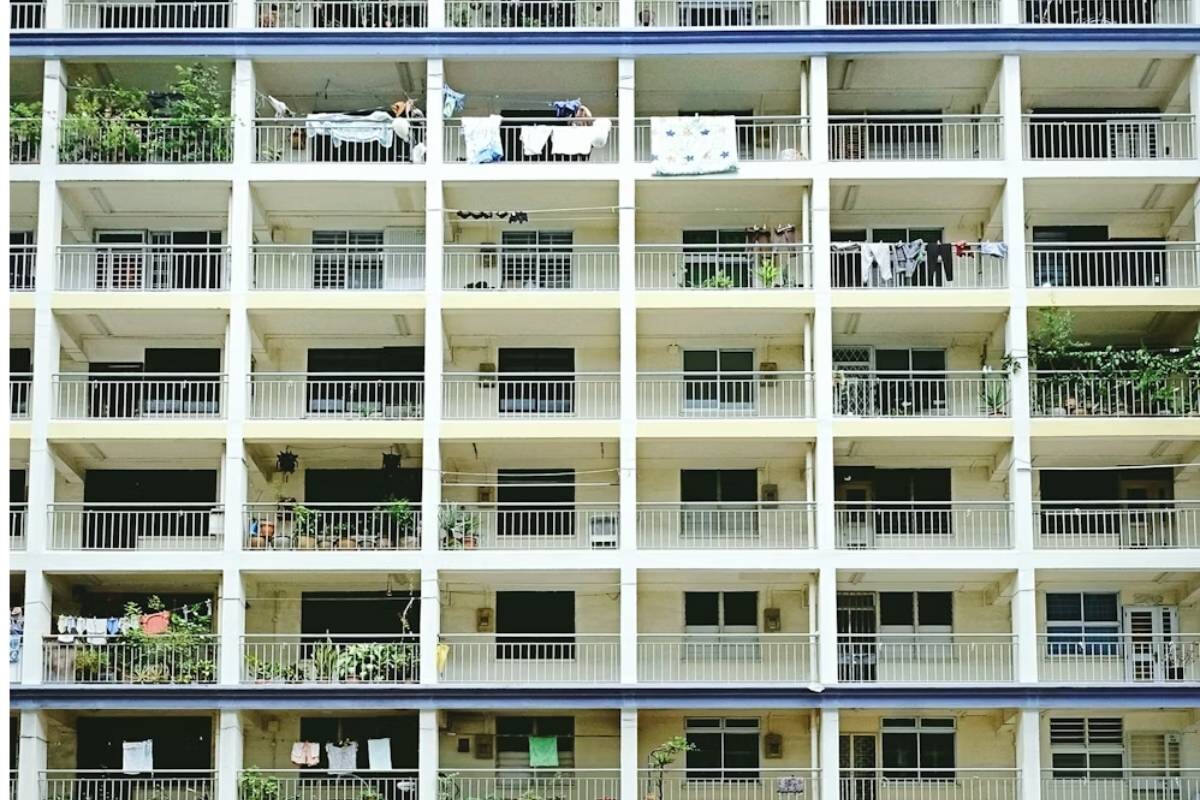
Fast population growth and delayed affordable development make low income housing in Phoenix especially competitive. (Image by Unsplash)
Another difference is supply timing. Affordable housing development in Phoenix often lags behind population growth, creating periods where demand increases faster than available units. As a result, waiting lists remain common even though the metro area continues to expand geographically.
2. What “Low Income” Means in the Phoenix Housing Market
In Phoenix, “low income” is defined using income limits tied to the Area Median Income(AMI) for Maricopa County and surrounding areas. These limits are used to determine eligibility for income-restricted apartments and housing assistance programs.
Many renters ask, “how much is considered low income in AZ”? The answer depends on household size and the specific housing program. Income thresholds are set as a percentage of the local AMI, and larger households are allowed higher income limits than single applicants.
Housing providers review total household income from all sources, including wages, self-employment, Social Security, and other regular benefits. Meeting the income limit is required, but applicants must also satisfy additional program rules to qualify for low income apartments in the Phoenix area.
»> Also read: Free Dentures for Low-Income Adults: Programs That Help and How to Qualify
3. Types of Low Income Apartments You’ll See in Phoenix
Low income apartments in Phoenix are offered through several housing models, each with different eligibility rules, locations, and application timelines.
Public Housing Managed by Local Housing Authorities
Public housing units are owned and managed by local housing authorities. Rent is typically calculated based on a percentage of household income, making these units more affordable than market-rate apartments.
Because the number of public housing units in Phoenix is limited, waiting lists are common and can remain closed for long periods.
Voucher-Supported Rentals
Voucher-supported housing allows qualified renters to use rental assistance toward approved private apartments. This option provides more flexibility in choosing where to live compared to public housing.
However, renters must still find landlords who accept vouchers. In competitive areas of Phoenix, this step can take time and may extend the overall housing search.
Income-Restricted Apartment Communities
Income-restricted apartment communities make up a significant portion of affordable housing in Phoenix. These properties are privately owned but operate under affordability programs that limit rent for households meeting income requirements.
Many of these communities are located in suburban areas where newer developments are more common. Tenants must verify income eligibility at move-in and during periodic reviews to remain qualified.
4. How the Application Process Works in Practice
Many renters ask, how to apply for low income housing in Arizona? In practice, the process involves multiple steps and often requires patience.
Identify the housing type or program: Determine whether you are applying for public housing, voucher-based assistance, or income-restricted apartment communities. Each follows a different application path. Watch for application openings: Many programs only accept applications during limited enrollment periods or lotteries. Missing these windows can mean waiting months or longer.
Prepare eligibility documents early: Applicants are typically asked to provide proof of income, household size, and residency. Having documents ready helps avoid delays.
Submit the application accurately: Incomplete or inconsistent information is one of the most common reasons applications stall.
Wait for review and placement: Qualified applicants are usually placed on a waiting list rather than approved immediately. Timelines vary depending on demand and funding.
Respond to follow-up requests: Housing providers may contact applicants to verify details or offer a unit. Prompt responses are important to remain eligible.
5. Free Phone Support for Low-Income Phoenix Residents
When applying for housing in Phoenix, reliable phone access is part of the process, not an extra benefit. Applications often involve verification calls, document follow-ups, and short response windows that determine whether a household keeps its place on a waiting list.
For renters searching for low income apartments Phoenix AZ, long timelines increase the risk of missed communication. Any interruption in phone service or change in contact information during review periods can delay an application or cause it to be closed.
How the Lifeline Program Helps Renters Stay Connected While Applying
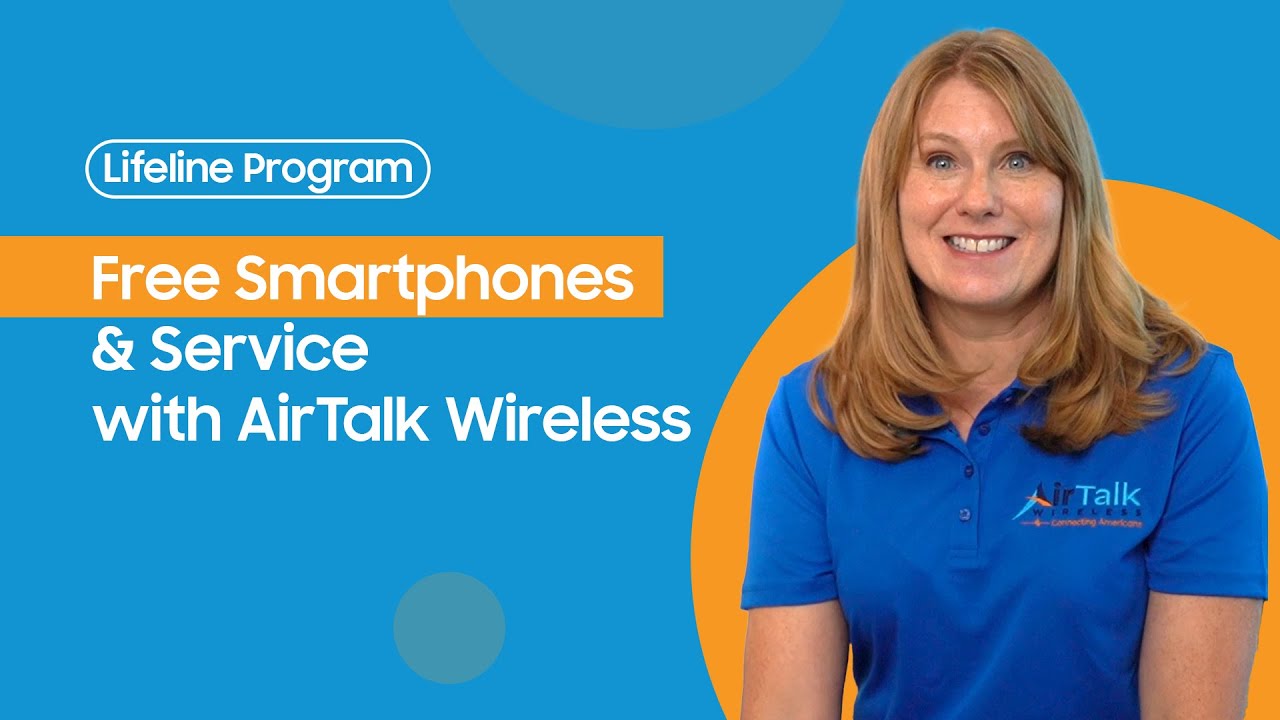
The Lifeline program is a federal assistance program that provides free or low-cost phone service to eligible low-income households. Its purpose is to ensure people can stay connected while accessing essential services such as housing, employment, healthcare, and government assistance.
During housing applications, Lifeline-supported phone service helps renters remain reachable for eligibility checks, document requests, and unit offers. Consistent phone access reduces missed follow-ups while applicants wait through extended review periods.
- Submit required documentation if requested
- Complete enrollment and wait for approval confirmation
»> Also read: Best Free Government Phone Arizona: Get Free Phones & Hot Deals
Conclusion
Low income apartments in Phoenix remain competitive due to rising demand and limited supply. Renters who understand income definitions, housing types, and application steps are better positioned to navigate waiting lists.
Related SenGov Guides
- 3 Things to Know Before Choosing a Pediatric Dentist Near Me That Accepts Medicaid
- Low Income Apartments Denver: Essential Facts Renters Must Know in a High-Cost Market
- Low Income Apartments San Diego: What Renters Need to Know Before Applying
- Does Medicaid Cover Contacts? 5 Essential Facts You Must Know Before Choosing Contact Lenses