
On This Page
Affordable housing remains a major concern for seniors living on a fixed income, especially as living costs continue to rise. Many are actively searching for “low income senior apartments for $300 a month near me” to maintain financial stability without sacrificing comfort or safety. While these options can be limited, they are still possible to find with the right approach and resources.
However, these apartments can be difficult to find because demand often exceeds availability. Seniors should check local housing authorities, nonprofit organizations, and HUD-supported programs early since waiting lists can be long in many areas.
1. Are There Low Income Senior Apartments for $300 a Month?
Yes, but these apartments are usually not traditional rentals with fixed pricing. Most seniors who pay around $300 per month live in subsidized housing programs where rent is based on income rather than local market rates.
For example, seniors with very limited income may qualify for reduced rent through federal, state, or nonprofit housing programs.
The exact amount depends on income level, location, and utility costs. In high-demand areas, waiting lists can be long, so early applications often improve your chances of finding affordable housing.

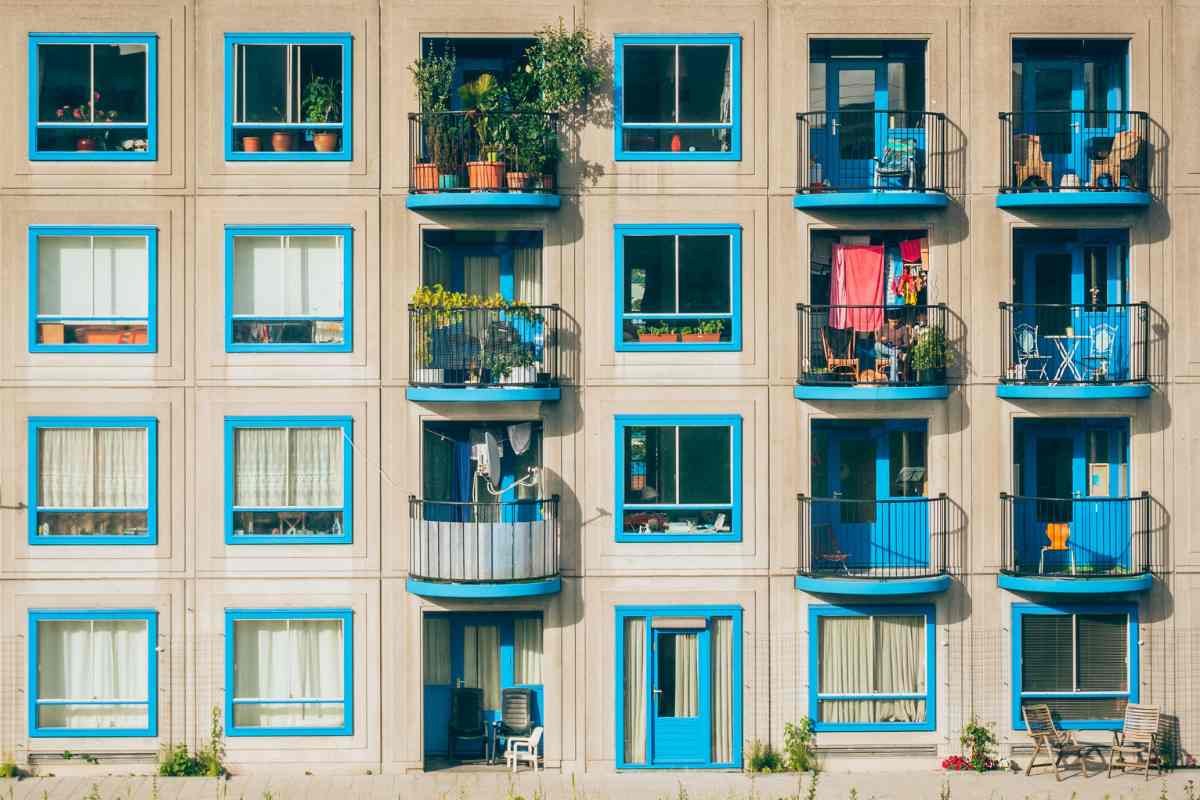
Some programs provide low-income senior apartments. (Image by Unsplash)
2. Programs That Offer Low-Income Senior Apartments
Not all affordable senior housing options are the same, and each program works in a slightly different way.
Section 202 Supportive Housing for Seniors
The federal government created HUD Section 202 to help low-income seniors access safe and affordable housing.
Eligible residents typically pay about 30% of their adjusted income toward rent, which can bring monthly housing costs close to $300 for seniors with very limited income.
In addition, many Section 202 communities offer services that make independent living easier. Residents may have access to transportation assistance, meal programs, housekeeping support, or wellness services depending on the property.
Demand remains high in many areas, so seniors should apply early because waiting lists can take months or even years.
Section 8 Housing Choice Voucher Program
The Section 8 program provides financial assistance that helps seniors pay for housing in the private rental market.
Instead of living in a government-owned property, participants receive vouchers that cover a portion of their rent, allowing more flexibility in choosing where to live.
Rent is based on income, and the program pays the remaining balance up to a certain limit. However, due to high demand, waiting lists can be long, and availability may vary depending on the area.
Public Housing for Seniors
Public housing offers affordable rental units managed by local housing authorities. These properties are available in many cities and are created to support individuals with low income, including seniors. Rent is typically income-based, which helps keep monthly costs manageable.
While public housing may not always include additional services like those of assisted living communities, it provides stable and accessible housing. Seniors can apply through their local housing authority, and availability will depend on location and current demand.
Low-Income Housing Tax Credit (LIHTC) Properties
LIHTC properties are privately owned apartments that receive tax incentives for offering reduced rent to low-income residents. These communities often look similar to standard apartment complexes but are priced more affordably due to income restrictions.
Unlike other programs, rent is usually based on area median income rather than individual income. This can still make LIHTC a good option for seniors who qualify.
Availability varies widely, so checking local listings and applying to multiple properties can increase your chances of finding a suitable unit.
3. Who Qualifies for $300/Month Senior Apartments?
Most affordable housing programs base eligibility on age, income, and residency requirements. Many communities require applicants to be at least 62 years old, while some may also accept younger adults with qualifying disabilities.
Income limits also play a major role. Seniors searching for senior apartments $300 a month often qualify through programs designed for households earning 50% or less of the Area Median Income (AMI), though exact thresholds vary by location. Applicants may also need to provide proof of income, identification documents, and rental history before approval.
4. If You Qualify for Affordable Housing, You May Qualify for More Support
Qualifying for affordable housing programs often means you meet the requirements for other forms of support as well. Many seniors don’t realize that benefits can extend beyond housing and help reduce everyday expenses like communication costs.
- Confirm your eligibility by verifying your participation in Federal Public Housing Assistance (FPHA) and prepare supporting documents
- Select a Lifeline plan and choose a free phone option if it is available, based on current offers
- Complete the online application by entering your personal information, including your FPHA details
- Upload proof of program participation if required
- Review your application carefully and submit it for processing
- Wait for approval, then receive your device within 7-10 business days with instructions to activate your service
5. Final Thoughts
Affordable housing can make a meaningful difference for seniors trying to manage life on a fixed income. Options like low-income senior apartments for $300 a month help reduce financial pressure while still providing a safe and stable place to live.