

On This Page
If you’re experiencing back or joint pain and rely on Medicaid, you may be wondering what help is available. Medicaid chiropractic coverage is available in some states, but the rules, limits, and eligibility requirements are not always clear.
This article explains how chiropractic care fits into Medicaid benefits, what treatments may be covered, and how coverage differs by state. We’ll also show you how to find Medicaid-accepting chiropractors and explore other programs you might qualify for as a Medicaid recipient.
1. What Is Medicaid Chiropractic Coverage?
Medicaid chiropractic coverage refers to Medicaid benefits that help pay for chiropractic care, such as spinal manipulation or adjustments, for eligible patients. Coverage varies by state. When covered, Medicaid typically limits the number of visits and the types of treatments allowed.
2. Medicaid Chiropractic Coverage by State
Medicaid chiropractic coverage varies nationwide, and differences can be significant from state to state. Some states clearly include chiropractic care as a covered benefit, while others limit it or exclude it altogether.

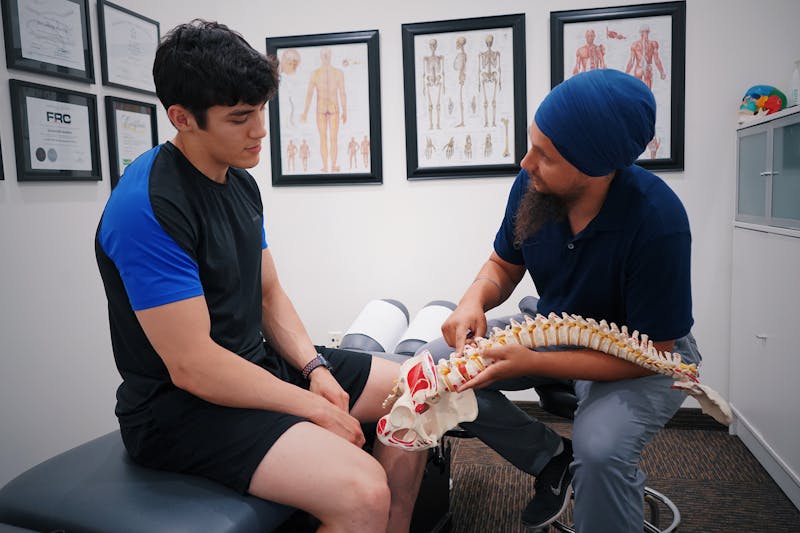
Medicaid chiropractic coverage varies significantly across states (Image by Pexels)
States such as California (Medi-Cal), Colorado, New Mexico, Oregon, and New York generally provide some level of chiropractic coverage under Medicaid. In these states, coverage often applies to spinal manipulation for medically necessary musculoskeletal conditions, though visit limits, age restrictions, or prior authorization may apply.
Other states offer very limited coverage. For example, Texas and Pennsylvania may restrict chiropractic services to specific conditions or populations, such as children or patients with referrals.
There are also states where Medicaid does not routinely cover chiropractic care, including places like Florida and Alabama, where beneficiaries may need to rely on alternative treatments such as physical therapy instead.
Because Medicaid rules can change and may differ for adults versus children, it’s important to check the Medicaid benefits in your state online or contact your local Medicaid office directly. Knowing your state’s policy helps you understand your options and avoid unexpected out-of-pocket costs.
3. What Chiropractic Services Does Medicaid Cover?
When Medicaid includes chiropractic benefits, coverage is usually limited to specific, medically necessary services. Exact coverage depends on your state’s Medicaid rules, but common covered services often include:
- Spinal manipulation or adjustments to treat back, neck, or joint pain
- Manual therapy focused on musculoskeletal conditions
- Treatment for acute pain or injury, not ongoing wellness visits
- Services ordered or referred by a primary care provider in some states
- Care with visit limits, such as a capped number of visits per year
Medicaid typically does not cover services such as massage therapy, acupuncture, X-rays ordered by chiropractors, or preventive chiropractic care unless specifically permitted by the state.
4. Who Is Eligible for Medicaid Chiropractic Coverage?
Eligibility for Medicaid chiropractic coverage depends on both your Medicaid status and your state’s specific benefits.
First, you must be enrolled in Medicaid and meet general eligibility rules based on income, household size, residency, and citizenship or qualified immigration status. From there, chiropractic eligibility is determined by state policy.
In states that cover chiropractic care, eligibility may also require:
- A medical necessity determination for back, neck, or musculoskeletal pain
- A referral from a primary care provider
- Meeting age-specific rules, as some states cover children more broadly than adults
- Staying within annual visit limits set by the state
Because coverage varies widely, verify benefits with your state Medicaid plan or managed care organization.
You can review general eligibility standards on the official Medicaid eligibility overview, then confirm chiropractic-specific rules locally before scheduling care.
5. How to Find Chiropractors That Accept Medicaid
Finding a chiropractor who accepts Medicaid requires some research, as not all providers participate in the program.
Start by checking your state Medicaid website or managed care plan portal, which often includes a searchable provider directory. These directories allow you to filter by specialty and confirm whether chiropractic services are covered.
You can also call local chiropractic clinics directly and ask if they accept Medicaid and which plans they work with. Be sure to confirm whether a referral or prior authorization is required before your visit.
Another helpful option is to contact your Medicaid managed care provider’s customer service, as they can help verify coverage and locate in-network chiropractors near you.
*You can find chiropractors that accept Medicaid *via state Medicaid websites’ directories (Image by Pexels) **
6. Claim More Benefits If You’re on Medicaid
If you qualify for Medicaid, you could be eligible for more than just healthcare coverage.
Many Medicaid recipients also qualify for other assistance programs designed to reduce everyday expenses and improve access to essential services. One of the most helpful programs is Lifeline, a federal benefit that provides free or low-cost phone and internet service to eligible low-income households.
FAQs
1. Does Medicaid pay for chiropractic care in all states?
No, Medicaid does not cover chiropractic care in every state. Coverage varies by state Medicaid programs, with some offering full or limited benefits and others excluding chiropractic services entirely.
2. Do most chiropractors accept Medicaid?
No, participation is limited because reimbursement rates and coverage rules vary by state; availability depends on your location and specific Medicaid plan.
3. Are chiropractic adjustments covered by Medicare?
Yes, Medicare Part B covers manual spinal manipulation when it’s medically necessary to correct a spinal subluxation. However, Medicare does not cover exams, X-rays, massage therapy, or other chiropractic services beyond the adjustment itself.
Final Thought
Understanding Medicaid chiropractic coverage can help you make informed decisions about managing pain and musculoskeletal health without unexpected costs.
Because coverage varies by state, checking local Medicaid rules and provider availability is essential before starting care.
If you’re enrolled in Medicaid, it’s also great to look beyond healthcare benefits. Medicaid recipients are eligible for additional support programs, such as Lifeline, and can receive a free smartphone to stay connected effortlessly.