

On This Page
Typing “Medicaid dermatologist near me” into a search bar usually means one thing: you need care, but local clinics keep saying they are full. Even though Medicaid covers many dermatology services, finding a dermatologist near me that accepts Medicaid can be frustrating due to limited providers, referral rules, and long waitlists.
This guide explains why this search is so common, what clinics typically require from Medicaid patients, and where to look when nearby dermatology offices are no longer taking new appointments.
1. Why “Medicaid Dermatologist Near Me” Is a Common Search
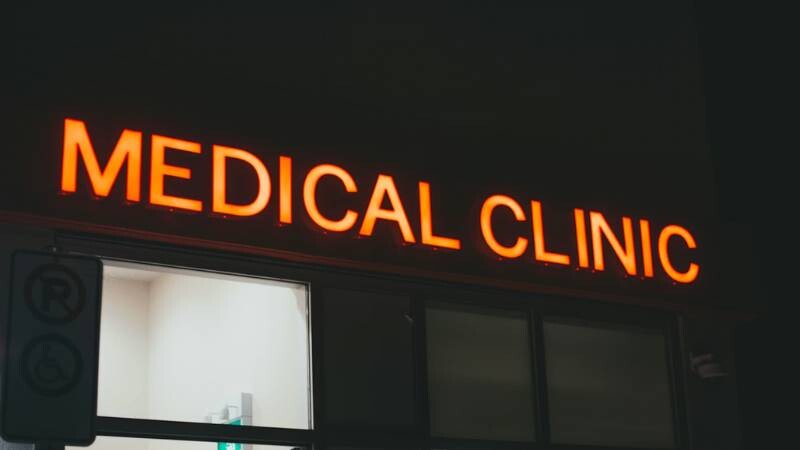
“Medicaid dermatologist near me” is a common search because many patients struggle to find local providers. (Image by Unsplash)
The phrase “Medicaiddermatologist near me” is searched so often because many patients run into the same problem: coverage exists, but available appointments do not. While Medicaid covers medically necessary dermatology care, only a limited number of providers accept Medicaid patients, and those who do often have full schedules.
Patients searching for a dermatologist near me that accepts Medicaid are usually dealing with:
- Long waitlists at local dermatology clinics
- Requirements for referrals before scheduling
- Clinics that limit the number of Medicaid patients they see
Geography also plays a role. In some areas, especially smaller cities or rural regions, there may be only one or two dermatologists enrolled with Medicaid. When those clinics stop accepting new patients, searches for a Medicaid dermatologist nearby spike as people look for alternatives.
2. What Local Dermatology Clinics Usually Require for Medicaid Patients
Before scheduling an appointment, most dermatology clinics have specific requirements for Medicaid patients. These requirements help clinics manage eligibility and ensure visits are covered.
Common requirements include:
- Confirmation that the clinic accepts your specific Medicaid plan
- A referral from a primary care provider, if required by your state
- Prior authorization for certain procedures or treatments
- Verification that the skin condition is medically necessary rather than cosmetic
Clinics may also limit appointment availability for Medicaid patients, which can result in longer wait times. Understanding these requirements ahead of time can help patients prepare the necessary paperwork and avoid delays when contacting dermatology offices.
3. The Most Reliable Ways to Find a Medicaid Dermatologist Near You
When local clinics are full, finding a Medicaid dermatologist near me requires looking beyond standard online searches. The options below are often more reliable than calling private dermatology offices one by one.
Start With Hospital-Based Dermatology Departments
Large hospitals and academic medical centers often have dermatology departments that accept Medicaid. These facilities are more likely to:
- Be enrolled in multiple Medicaid plans
- Handle referrals and authorizations internally
- Maintain waitlists that move faster than private clinics
Hospital-based departments are a strong option when private dermatology offices are no longer accepting new Medicaid patients.
Look for Community Health Centers With Dermatology Services
Federally qualified health centers and community clinics sometimes offer dermatology services or partner with visiting dermatologists. These centers focus on serving Medicaid and low-income patients and may have:
- Sliding-scale or Medicaid-covered specialty services
- Referral pathways to affiliated dermatologists
- More flexible scheduling for Medicaid patients
Searching through community health centers can uncover options that are not listed in standard provider directories.
Ask Your Primary Care Provider for Direct Scheduling Help
Primary care providers often have established referral relationships with dermatologists who accept Medicaid. In some cases, they can:
- Refer you to dermatologists currently accepting Medicaid patients
- Submit referrals with urgency notes for serious conditions
- Help coordinate appointments within hospital networks
Direct involvement from a primary care provider can significantly increase the chances of securing a dermatology appointment.
4. What to Do If You Can’t Find a Medicaid Dermatologist Nearby
If no local dermatologists are accepting Medicaid patients, there are still steps you can take. Expanding your search radius to nearby cities or hospital systems may reveal openings not available locally.
Some states also allow coverage for care outside your immediate area when no local providers are available. In these situations, documenting unsuccessful attempts to find a nearby dermatologist can help support referral approvals.
While the process may take time, persistence and flexibility often lead to better outcomes than relying on location-based searches alone.
5. Why Staying Reachable Matters When Clinics Have Limited Openings
When dermatology clinics that accept Medicaid are operating at capacity, access often depends on how quickly you can respond. Offices typically contact patients by phone to confirm referrals, offer last-minute cancellations, or request missing paperwork. If a clinic cannot reach you, the opening usually goes to the next person on the list.
Staying reachable helps Medicaid patients avoid:
- Missed calls about sudden appointment availability
- Delays caused by unanswered requests for referrals or authorizations
- Lost spots on waitlists due to slow responses
For anyone searching for a Medicaid dermatologist nearby, reliable phone access can directly influence how fast care is scheduled, especially when local options are limited.
Conclusion
Finding a Medicaid dermatologist near me can be challenging when clinics are full, but staying reachable makes a real difference. Reliable phone access helps patients respond quickly to openings, manage referrals, and keep care moving forward.
Related SenGov Guides
- Can I Use EBT at Trader Joe’s? Full Guide for 2026
- Does Medicaid Cover Service Dogs When They’re Medically Necessary? Here’s What Actually Happens 2026
- How to Switch Medicaid to Another State: What Actually Happens When You Move in 2026
- Pain Management Doctors That Accept Medicaid Near Me: Why It’s Hard to Find One and Where to Look