
On This Page
Understanding Medicaid Hawaii eligibility is essential if you are trying to determine whether you or a family member can qualify for coverage. Hawaii’s Medicaid program, often referred to as Med-QUEST, provides health insurance to eligible low-income residents, including children, adults, seniors, pregnant individuals, and people with disabilities.
Eligibility depends on factors such as income, household size, age, and, in some cases, assets. In this guide, we break down Hawaii’s income limits, coverage details, application steps, and what you should know before applying.
1. What Is Medicaid in Hawaii and Who Is It For?
Medicaid in Hawaii is administered through the state’s Med-QUEST Division. It provides health coverage to eligible residents who meet income and categorical requirements. The program is funded jointly by the federal and state governments and is designed to ensure access to essential healthcare services for individuals and families with limited financial resources.
Medicaid in Hawaii serves:
- Children
- Pregnant individuals
- Low-income adults
- Seniors age 65 and older
- Individuals with disabilities
- Certain medically needy applicants
Hawaii has adopted Medicaid expansion under federal guidelines, which means many adults under age 65 can qualify based primarily on income, even if they do not have dependent children or a disability.
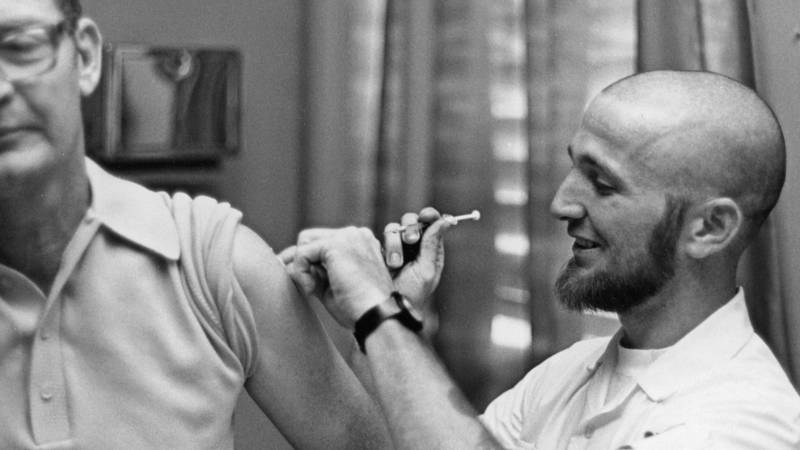
Medicaid in Hawaii, administered through the Med-QUEST Division, provides state and federally funded health coverage to eligible low-income children, adults, seniors, pregnant individuals, and people with disabilities. (Image by Unsplash)
2. Medicaid Hawaii Eligibility Requirements
Medicaid Hawaii eligibility depends on income level, household size, residency status, and in some cases age or disability category. Because Hawaii expanded Medicaid, many adults can qualify under income-based rules without an asset test.
General requirements include:
- Being a Hawaii resident
- U.S. citizenship or qualifying immigration status
- Meeting income thresholds for your household size
- Providing the required documentation during the application
For certain programs, such as long-term care coverage for seniors, asset limits may apply. However, for most adults under the expansion category, eligibility is determined primarily by income.
So, what is the income limit for Medicaid in Hawaii?
Income limits are based on a percentage of the Federal Poverty Level and vary depending on age and category. For adults under the expansion group, eligibility generally extends up to 138 percent of the Federal Poverty Level.
Income thresholds increase with household size. Children and pregnant individuals may qualify at higher income levels than non-pregnant adults.
Because federal poverty guidelines are updated annually, checking current Hawaii Med-QUEST income charts is recommended before applying.
3. What Does Medicaid in Hawaii Cover?
Medicaid in Hawaii, administered through the Med-QUEST program, provides comprehensive health coverage for eligible residents. Benefits may vary slightly depending on eligibility category, but core services generally include:
- Doctor visits and primary care
- Specialist services
- Hospital inpatient and outpatient care
- Prescription medications
- Mental health and behavioral health services
- Laboratory tests and imaging
- Maternity and newborn care
- Preventive services and screenings
- Emergency services
- Long-term care services for qualifying individuals
Many beneficiaries are enrolled in managed care plans that coordinate services through participating provider networks. Some services may require referrals or prior authorization, depending on the treatment.
4. How to Apply for Medicaid in Hawaii
Applying for Medicaid in Hawaii requires submitting personal, household, and income information to the Med-QUEST Division. Accuracy and complete documentation can help prevent delays.
Apply Online
The fastest way to apply is through the Hawaii Med-QUEST online application portal. Applicants can create an account, submit information electronically, and upload required documents. Online submission allows faster processing and easier tracking of application status.
Apply by Mail or In Person
Applicants may also submit a paper application by mail or apply in person at a local Med-QUEST office. In-person assistance can be helpful for individuals who need help completing forms or have complex eligibility questions.
Supporting documents typically include:
- Proof of identity
- Proof of Hawaii residency
- Social Security number or immigration documentation
- Income verification, such as pay stubs or benefit letters
- Household information
Processing Time
Processing times vary depending on application volume and whether additional documentation is required. Many applications are reviewed within several weeks, but delays can occur if income or household details need clarification.
Responding promptly to requests for additional information helps prevent extended review periods.
What Happens After You Are Approved
If approved, you will receive a notice confirming your eligibility and coverage start date. Most beneficiaries are assigned to a managed care health plan and must select or confirm their plan within a designated timeframe.
After enrollment, you can begin using benefits according to your plan’s provider network and coverage guidelines.
5. Common Reasons Medicaid Applications Are Denied in Hawaii
Applications for Medicaid in Hawaii may be denied for several reasons, including:
- Income exceeding eligibility limits
- Missing or incomplete documentation
- Failure to respond to verification requests
- Ineligibility based on immigration status
- Errors in reported household size
Denial does not always mean permanent ineligibility. Applicants may have the option to appeal the decision or submit additional documentation to correct errors.
Carefully reviewing eligibility requirements and responding quickly to follow-up requests can significantly reduce the risk of denial.
»> Also read: Breast Reduction Doctors That Accept Medicaid Near Me: How to Get Approved and Find Real Appointments
6. Why Medicaid Eligibility Matters Beyond Healthcare
Qualifying under Medicaid Hawaii eligibility rules does more than provide access to doctors and prescriptions. Enrollment can also connect you to other assistance programs that use Medicaid participation as a qualifying pathway.
For many households, healthcare coverage and communication access go hand in hand. Staying reachable is essential for managing appointments, renewals, pharmacy coordination, and caseworker updates.
How Medicaid Enrollment Can Also Qualify You for Lifeline Support
If you are approved for Medicaid in Hawaii, you may also qualify for the FCC’s Lifeline program. Lifeline is a federal assistance program that provides a monthly discount on phone or internet service to eligible low-income households.
Medicaid participation is one of the qualifying criteria for Lifeline. This means you may not need to provide separate income documentation if you are already enrolled in Medicaid.
While Lifeline does not affect Medicaid benefits directly, it can reduce communication barriers that sometimes interfere with maintaining coverage.
Staying Connected in Hawaii With Free or Low-Cost Phone Service
Staying reachable matters, especially during annual redeterminations or income updates. Missed calls from Med-QUEST, delayed responses to verification letters, or lost contact with your managed care plan can result in coverage interruptions.
Having dependable service can help you:
- Receive renewal and eligibility notices
- Respond to income verification requests
- Coordinate appointments and referrals
- Stay in touch with healthcare providers
Medicaid coverage protects your health. Reliable communication helps protect your coverage.
Conclusion
Navigating Medicaid Hawaii eligibility requires more than checking an income chart. Approval depends on submitting accurate household information, responding to verification requests, and understanding which eligibility category applies to you.
Because Hawaii follows an expansion model, many adults may qualify even without dependent children, but documentation and timely follow-up remain critical. Taking time to review requirements carefully and staying responsive throughout the process can make the difference between delayed coverage and smooth enrollment.
Related SenGov Guides
- Illinois Medicaid Eligibility Income Chart 2026: Limits, Household Size, and How to Qualify
- Income Limits & Eligibility 2026: How to Qualify for Medicaid in Virginia
- Louisiana Medicaid Income Limits: 2026 Eligibility Rules Monthly Limits and Coverage
- Medicaid Eligibility Income Chart Florida 2026: Income Limits Explained by Household Size