

On This Page
Medical insurance for unemployed becomes essential when income changes, but healthcare needs remain.
Many people look for ways to stay covered without paying high monthly premiums, especially through programs like Medicaid or ACA plans. Knowing your options helps you avoid coverage gaps and unexpected costs.
1. Can You Get Medical Insurance Without a Job?
Yes, you can still get medical insurance even if you are unemployed, and several reliable options are available depending on your situation.
Many people turn to the Affordable Care Act (ACA) Marketplace, Medicaid for low-income individuals, COBRA to continue their previous employer coverage, or a spouse’s plan if eligible.
Losing a job is considered a qualifying life event, which allows you to enroll in a new plan outside the standard Open Enrollment period. This flexibility is especially helpful for those searching for medical insurance for unemployed in California, where state programs and subsidies may offer additional support.
Reviewing each option carefully helps you choose coverage that fits both your healthcare needs and your budget.
2. Affordable Medical Insurance for Unemployed in 2026
Finding the right coverage after losing a job can feel overwhelming, especially when income is limited. Understanding available options helps you stay protected while managing costs effectively.
Medicaid (Best Free or Low-Cost Option)
Medicaid is often the first option to consider if your income drops significantly. This state and federally funded program provides comprehensive coverage, including doctor visits, hospital care, preventive services, and sometimes dental or vision benefits, depending on your state.
Many people search for free medical insurance for unemployed, and Medicaid is usually the closest solution available. Eligibility is based on income and household size, and in many states, you can apply at any time of the year.
This makes it a reliable safety net for those who need immediate coverage without high monthly premiums or out-of-pocket costs.
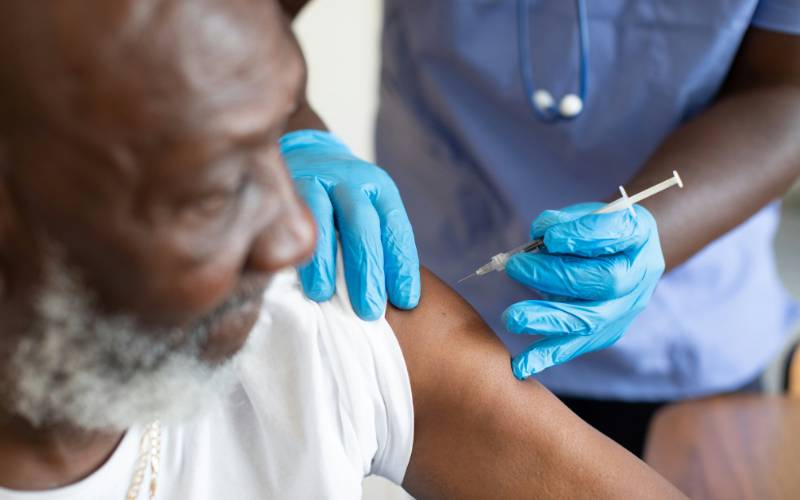
Eligible people can get free or low-cost medical insurance. (Image by Unsplash)
ACA Marketplace Plans
Plans offered through HealthCare.gov provide flexible coverage options for individuals who do not qualify for Medicaid. These plans are organized into tiers, allowing you to choose a balance between premiums and out-of-pocket costs based on your budget.
Subsidies and tax credits can significantly reduce monthly premiums, making these plans more affordable for unemployed individuals.
When exploring medical insurance plans for unemployed, ACA options often provide a strong combination of coverage, affordability, and access to essential health benefits like preventive care, prescriptions, and emergency services.
COBRA Coverage
For those searching for medical insurance for unemployed individuals who recently left a job, COBRA is also the great option to consider.
**COBRA **allows you to continue your previous employer-sponsored health insurance after losing your job, helping you maintain the same doctors, network, and benefits. This option can be especially useful if you are undergoing treatment or prefer not to change providers immediately.
However, the main drawback is cost, as you are responsible for paying the full premium without employer contributions. This can make COBRA more expensive than other options.
Despite the higher cost, it offers continuity of care and may serve as a temporary solution while you explore more affordable alternatives.
Short-Term Medical Insurance
Short-term medical insurance provides temporary coverage for individuals who need protection during gaps between plans. These policies are designed to offer basic benefits for unexpected illnesses or injuries rather than comprehensive long-term care.
Premiums are typically lower than standard plans, making them attractive for budget-conscious individuals.
However, coverage is limited and may exclude pre-existing conditions or essential health benefits. This option works best as a short-term safety net while transitioning to more stable coverage, such as Medicaid or an ACA Marketplace plan.
3. Who Qualifies for Free or Low-Cost Medical Insurance?
Understanding who qualifies is one of the most important steps for anyone seeking medical insurance for unemployed individuals and their families.
Income-Based Eligibility
Income is one of the most important factors used to determine eligibility for low-cost or free health insurance. Some programs like Medicaid and ACA Marketplace subsidies rely on your household income compared to the Federal Poverty Level (FPL).
If your income falls within certain thresholds, you may qualify for free coverage or significantly reduced premiums.
Eligibility is not based on income alone but also considers household size and current financial situation. For example, a larger household may qualify at a higher income level.
In addition, income changes throughout the year can affect eligibility, which is why many programs allow updates and adjustments.
Reviewing your income carefully ensures you receive the maximum benefits available and avoid paying more than necessary for coverage.
State Medicaid Expansion
State policies play a major role in determining who qualifies for Medicaid and how accessible the program is.
Under Medicaid expansion, some states have increased eligibility limits, allowing more low-income adults to qualify even if they do not have dependents. This has made coverage more widely available compared to non-expansion states.
In states that adopted expansion, eligibility is generally based on income up to a certain percentage of the Federal Poverty Level, making it easier for unemployed individuals to qualify.
However, in states without expansion, requirements may be stricter and limited to specific groups. Checking your state’s rules is essential, as it directly impacts your ability to access affordable or free medical insurance options.
4. Bonus Solution: Stay Connected with Free Phone Service and Devices
Beyond healthcare, staying connected is vital during a career transition. If you qualify for Medicaid or have a limited household income, you likely also qualify for the Lifeline Program, which provides essential telecommunications support.
- Free or Discounted Monthly Service: Includes unlimited talk, text, and high-speed data (up to 16GB depending on the state).
- Free or Discounted Smartphone or Tablet: Eligible participants can receive a 4G/5G+ Android smartphone or a discounted tablet to help with job applications and telehealth visits.
- Easy Eligibility: If you are already enrolled in Medicaid, SNAP (Food Stamps), or SSI, you are automatically eligible to apply for these benefits.
How to Apply:
5. Common Mistakes to Avoid When Choosing Plans
Many people searching for medical insurance for unemployed options often rush into a plan without fully understanding their choices. Selecting a health insurance plan without fully understanding your options can lead to higher costs or limited coverage.
Taking time to review common mistakes helps you make a smarter decision that fits both your healthcare needs and your budget.
Assuming You Don’t Qualify
Many people assume they do not qualify for free or low-cost insurance and skip applying altogether. This often leads to missing out on programs like Medicaid or subsidized ACA plans that are specifically designed to support low-income or unemployed individuals.
Eligibility rules can vary based on income, household size, and state policies, so assumptions may not reflect your actual situation.
Income thresholds and qualifications can also change throughout the year, especially after a job loss or reduction in income.
Checking your eligibility regularly ensures you do not overlook valuable benefits. Applying even if you are unsure can reveal options that significantly reduce your healthcare costs.
Missing Enrollment Deadlines
One mistake people looking for medical insurance for unemployed situations often make is assuming they can enroll at any time. Health insurance enrollment is not always available year-round, and missing deadlines can delay your coverage.
Most ACA plans follow a fixed Open Enrollment period, while special enrollment is only available if you experience a qualifying life event such as job loss, relocation, or changes in household size.
Missing these deadlines may leave you without coverage for months, increasing your financial risk. Planning ahead and tracking important dates helps you avoid gaps in coverage.
Setting reminders or applying as soon as you become eligible ensures that you maintain continuous protection and avoid unnecessary delays.
Choosing the Cheapest Plan Only
Focusing only on the lowest monthly premium can lead to unexpected costs later. While a cheaper plan may seem attractive, it often comes with higher deductibles, limited provider networks, and reduced coverage for certain services.
A more balanced approach is to evaluate total costs, including premiums, deductibles, copayments, and covered services.
Choosing a plan that fits your medical needs and usage patterns ensures better long-term value. Reviewing details carefully helps you avoid paying more out of pocket despite lower upfront costs.
6. Final Words
Losing a job can quickly turn healthcare into a major concern, especially when regular coverage is no longer available. Many people begin searching for medical insurance for unemployed individuals to stay protected without taking on high monthly costs.
Programs like Medicaid, ACA plans, and short-term coverage can help bridge the gap while managing your budget.