

On This Page
Getting to medical care is not always simple, especially for seniors and people with chronic conditions.
Many people search for Medicare transportation because they assume Medicare works like Medicaid and automatically provides rides to doctor visits.
The reality is more complex. Medicare transportation is limited, tightly regulated, and focused mainly on medical necessity.
1. Understanding Medicare Transportation
At a high level, Medicare transportation is not a general ride service. Original Medicare does not pay for routine trips to the doctor, pharmacy, dialysis center, or physical therapy clinic just because you don’t have a car.
Instead, Medicare transportation coverage primarily protects patients in medical emergencies or when other transportation would be dangerous to their health.
This medical-necessity rule is the foundation of all Medicare transportation decisions.
2. When Does Medicare Pay for Transportation?
Medicare transportation is covered only when medically necessary, and traveling by regular car, bus, or rideshare could put your health at risk.
So, does Medicare cover transportation at all? Yes, but only under strict conditions.
Medicare may pay for transportation when:
- You have a medical emergency
- You need skilled medical monitoring during the trip
- You are physically unable to travel safely by a regular vehicle
- Your doctor certifies that another form of transport could endanger your life or health
In these cases, Medicare transportation typically refers to ambulance services, either ground or air.
For example, Medicare may pay if you need emergency transport after a stroke, heart attack, or serious injury. It may also pay for some non-emergency ambulance trips when the doctor documents that you must be transported lying down, require oxygen, or need medical supervision during transit.
This is the most misunderstood part of medicare transportation coverage: it is about medical risk, not about distance, lack of a car, or financial hardship.
Medicare Transportation Coverage
When people ask about Medicare transportation coverage, they are usually surprised to learn what is not included.
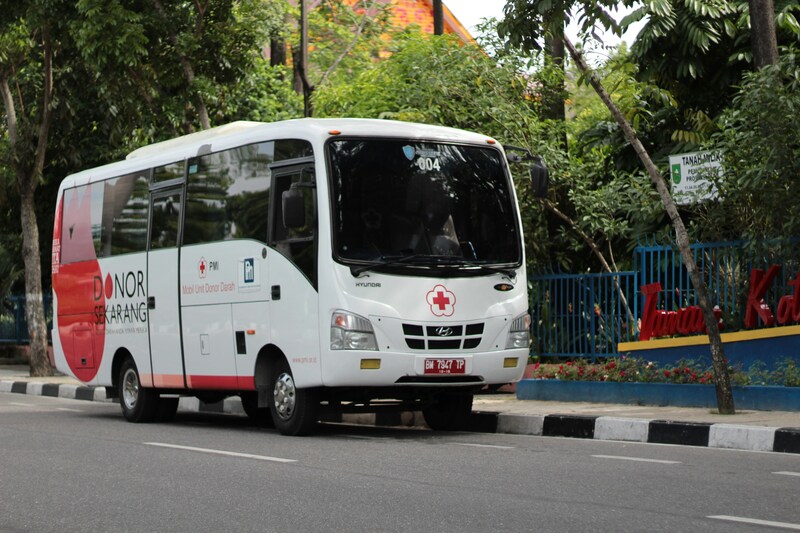
Is there free transportation for Medicare patients? (Image by Unsplash)
Original Medicare Part B covers:
- Emergency ambulance services
- Non-emergency ambulance services when medically necessary and ordered by a doctor
- Transportation to the nearest appropriate medical facility
It generally does not cover:
- Routine rides to doctor appointments
- Transportation, because you don’t drive
- Trips because family members are unavailable
- Taxi, Uber, or community van programs
Medicare Advantage (Part C) – A Very Different Situation
Medicare Advantage plans are changing the conversation around Medicare transportation.
Private insurers that run Medicare Advantage plans are allowed to offer extra benefits beyond Original Medicare. Many of these plans include limited transportation services such as:
- Rides to primary care visits
- Trips to specialists
- Transportation to pharmacies or wellness programs
This means that Medicare transportation coverage under Medicare Advantage can be much broader than that under Original Medicare.
However, these benefits:
- Are not required
- Vary by plan and state
- Often have ride limits
- May require scheduling in advance
So when people ask, “Does Medicare cover transportation?”, the true answer is: Original Medicare usually only covers ambulances, but some Medicare Advantage plans may provide limited non-emergency transportation.
Anyone interested in broader medicare transportation support must carefully review their specific plan’s benefits.
3. How to Get Transportation Coverage Through Medicare
Getting Medicare transportation approved usually follows a medical pathway. For emergency transport, approval happens automatically if the situation qualifies.
For non-emergency ambulance transportation, the process often includes:
- A physician’s written order
- Documentation of medical necessity
- Transport to the nearest appropriate facility
- A provider that accepts Medicare assignment
Many ambulance companies require a Physician Certification Statement (PCS) prior to transport. This document explains why other transportation would be unsafe. Without this documentation, Medicare transportation claims are often denied.
Understanding this system matters because many people assume they can schedule a ride and submit it later. That approach almost always fails. Medicare transportation must usually be medically authorized before the ride occurs.
4. What to Do If Your Medicare Plan Won’t Cover Your Ride
If Medicare denies coverage, you are not alone. Most routine transportation requests fall outside medicare transportation coverage rules.
When this happens, people often turn to:
- Medicaid non-emergency medical transportation
- Local senior service agencies
- Hospital-based shuttle programs
- Community or nonprofit ride services
5. Do You Know Receiving A Free Phone with Medicaid Is Possible?
Many mistaken Medicaid and Medicare when it comes to qualifying for communications services from federal support.
In fact, participating in the the Lifeline program provides additional benefits for many program participants, including Medicaid recipients.
Here’s an important clarification many people misunderstand: Medicare does NOT qualify you for the Lifeline free phone benefit. Medicaid does. In addition, individuals may also qualify based on income or participation in other approved assistance programs such as SNAP or SSI.
The program helps low-income residents access free or discounted phone service, including a monthly discount of up to $9.25 on phone or internet service (and up to $34.25 for households on qualifying Tribal lands).
A reliable phone supports:
- Appointment scheduling
- Telehealth visits
- Pharmacy coordination
- Transportation requests
- Insurance communication
Conclusion
Understanding Medicare transportation can prevent serious confusion and costly mistakes.
Original Medicare covers transportation only for medically necessary ambulance services. It does not function as a general ride program. If you need an ambulance due to a medical emergency or because other transportation could endanger your health, Medicare Part B will typically cover the cost after you meet your deductible.
However, routine rides to doctor appointments, dialysis treatments, or physical therapy sessions fall outside of Original Medicare’s coverage, no matter how essential those appointments may be for your health.