

On This Page
Starting a Nevada Medicaid application can feel confusing if you are not sure where to begin or what information is required. Nevada Medicaid provides health coverage for eligible residents, but approval depends on meeting income rules, submitting the right documents, and responding on time during the review process. Many applications are delayed simply because steps are missed or follow-up requests are not answered.
This guide explains who should apply for Nevada Medicaid, what you need before submitting an application, and how the Nevada Medicaid application process works so you can move forward with clarity and avoid common issues.
1. What Is the Nevada Medicaid Application and Who Should Apply

The Nevada Medicaid application allows eligible residents to apply for state health coverage when income or circumstances meet program requirements. (Image by Unsplash)
The Nevada Medicaid application is the process used to request health coverage through Nevada’s state Medicaid program. Nevada Medicaid helps eligible residents pay for some or all medical costs when private insurance is not affordable. The program is administered by the state under federal Medicaid guidelines and covers services such as doctor visits, hospital care, prescriptions, and preventive care.
You should consider applying if you live in Nevada, meet income requirements for your household, and fall into an eligibility group recognized by state and federal law. This includes adults, children, pregnant women, parents or caretakers, and certain individuals with disabilities. Applying is also recommended if your income recently changed or you lost other health coverage.
2. Who Is Eligible to Submit a Nevada Medicaid Application
Eligibility for Nevada Medicaid is based on household income, age, family status, and specific medical circumstances. According to state guidelines, the following groups may qualify:
- Adults ages 19 to 64 with household income at or below 138% of the Federal Poverty Level (FPL)
- Children under age 19 with household income at or below 205% of the FPL
- Pregnant women with household income below 165% of the FPL
- Parents or caretakers with household income at or below 138% of the FPL
Nevada also offers the Katie Beckett Eligibility Option. This option allows families with a child under 19 who has a disability to qualify for Medicaid even if household income exceeds standard limits, as long as the child would qualify for Medicaid in a medical institution but is receiving comparable care at home.
Eligibility rules can change based on household size and circumstances, so applying is often the best way to receive an official determination.
3. What You Need Before Starting a Nevada Medicaid Application
Preparing information in advance can help prevent delays during the Nevada Medicaid application process. Before applying, you should have:
- Proof of Nevada residency
- Identity information for all household members applying
- Income details, such as pay stubs, benefit statements, or tax information
- Social Security numbers for applicants, if available
- Information about household size and relationships
- Medical documentation if applying under a disability-related category or special eligibility option
Having these items ready makes it easier to complete the application accurately and respond quickly if Nevada Medicaid requests additional information during review.
4. How to Apply for Nevada Medicaid Step by Step
Completing a medicaid application Nevada requires choosing the right submission method and providing accurate information. Nevada offers multiple application options to fit different situations, and all lead to the same eligibility review.
Option 1: Apply Online Through Nevada DWSS
The fastest way to submit a medicaid nevada application form is online through ACCESS NV, which is managed by the Nevada Division of Welfare and Supportive Services (DWSS).
When applying online, you will:
- Create or sign in to an ACCESS NV account
- Complete the Nevada Medicaid application with household, income, and residency details
- Upload documents if requested
- Submit and track your application status online
Online applications allow easier follow-up and faster responses to verification requests.
Option 2: Apply by Phone or In Person
If online access is not available, you can apply by phone or in person through a local DWSS office.
Applying by phone involves speaking with a DWSS representative who will guide you through the application questions. In-person applications are handled at DWSS offices, where staff can help review documents and answer questions.
Office locations and hours are managed by DWSS, and appointments may be required in some areas.
What Happens After You Submit Your Application
After submission, Nevada Medicaid reviews your application to confirm eligibility. During this stage, DWSS may request additional documents, clarification about income, or proof of residency.
Processing times vary, but responding quickly to requests helps prevent delays. Approval or denial notices are sent once the review is complete, and coverage may begin retroactively in some cases depending on eligibility.
5. Common Problems That Delay Nevada Medicaid Applications
Many Nevada Medicaid applications are delayed for reasons unrelated to eligibility. Common issues include:
- Missing income documentation or incomplete financial details
- Unanswered follow-up requests from DWSS
- Incorrect household information, such as who is included in the application
- Outdated contact information, making applicants hard to reach
- Incomplete residency or identity documents
Most delays can be avoided by submitting accurate information, keeping contact details current, and responding promptly during the review process.
6. Why Medicaid Approval Often Leads to Other Benefits
Getting approved for Nevada Medicaid does more than unlock health coverage. For many households, it becomes a gateway to other support programs designed to reduce everyday living costs and remove barriers to care.
One of the most common follow-on benefits is eligibility for Lifeline, a federal assistance program that helps low-income households lower the cost of phone or internet service. Because Medicaid participation qualifies households for Lifeline, approval often opens the door to staying connected without taking on another monthly expense.
This connection matters in real ways. Medicaid members rely on phone access to manage appointments, respond to DWSS requests, receive pharmacy updates, and coordinate ongoing care. Without stable service, important messages can be missed, leading to delays that affect coverage or treatment.
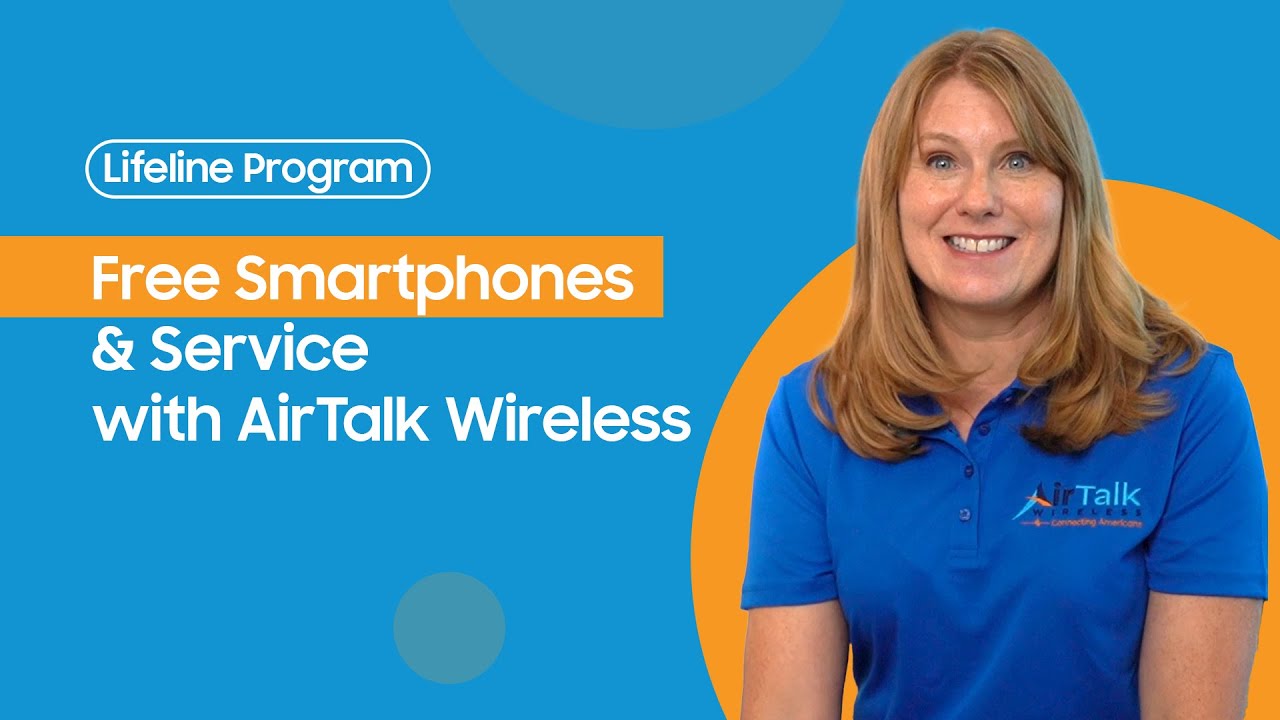
For residents searching for free phone Nevada options after Medicaid approval, applying through a Lifeline provider can help maintain consistent communication during renewals, follow-ups, and care coordination. Rather than treating phone access as a separate problem, many households address it as part of their overall Medicaid support system.
Conclusion
Completing a Nevada Medicaid application is a key step toward accessing healthcare support, but the impact often extends beyond medical coverage alone. Approval can connect eligible residents to additional programs that support daily stability, including reduced phone costs through Lifeline.
By understanding how Medicaid, Lifeline, and approved providers work together, Nevada residents can make informed choices that help them stay reachable, manage care, and avoid avoidable delays after approval.
Related SenGov Guides
- Illinois Medicaid Eligibility Income Chart 2026: Limits, Household Size, and How to Qualify
- Income Limits & Eligibility 2026: How to Qualify for Medicaid in Virginia
- Indiana Medicaid Income Limits: Everything You Need to Qualify in 2026
- Louisiana Medicaid Income Limits: 2026 Eligibility Rules Monthly Limits and Coverage