

On This Page
Owning a home is often the biggest financial asset a person has, which is why many New York residents worry about how it affects healthcare eligibility. A common concern during the application process is whether property ownership could prevent someone from receiving medical coverage, especially for long-term care.
Can you own a home and get Medicaid in NY while still meeting financial requirements? The answer depends on how Medicaid classifies a primary residence, how much equity is involved, and whether the property is considered part of countable assets.
1. Can You Own a Home and Get Medicaid in NY?
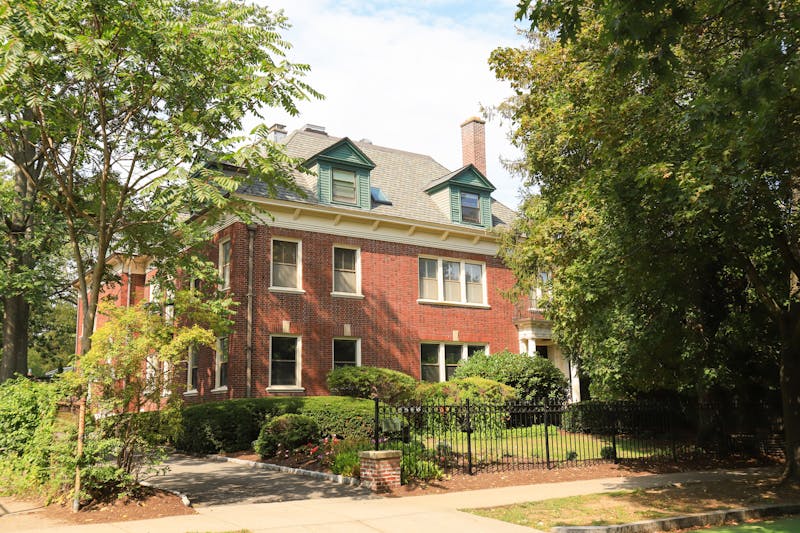
Can you own a home and get Medicaid in NY? (Image by Pexels)
In many cases, owning a primary residence does not automatically disqualify someone from Medicaid coverage.
However, eligibility still depends on several factors, including income, asset limits, and the type of Medicaid program involved. Medicaid rules for long-term care may require additional financial reviews that do not apply to standard Medicaid coverage.
Understanding these differences helps applicants see why the question “can you own a home and get Medicaid in NY?” does not always have a simple yes-or-no answer.
For general information about Medicaid programs in the United States, you can visit the official government site atMedicaid.gov.
Short Answer for New York Residents
In many situations, a person can still qualify for Medicaid even if they own a home, provided that the property is their primary residence. Medicaid programs in New York often treat a primary home differently from other financial assets.
This means that for many applicants, homeownership alone will not prevent them from receiving coverage.
Why Homeownership Does Not Always Disqualify Medicaid
Medicaid programs are designed to help individuals with limited financial resources receive medical care. Because housing is considered a basic living need, a primary residence may be excluded from asset calculations under certain circumstances.
2. How Medicaid in New York Treats a Primary Home
When reviewing eligibility, Medicaid evaluates whether the home is the applicant’s primary residence. In many cases, the property may be excluded from asset calculations.
When a Primary Residence Is Exempt From Asset Limits
A primary home may be exempt if the applicant lives in it or intends to return to it. This exemption helps prevent individuals from losing eligibility simply because they own the place where they live.
Home Equity Limits in New York Medicaid
Even when a home is exempt, Medicaid programs may still consider the amount of equity in the property.
Home equity refers to the value of the home minus any mortgage or loans attached to it. If equity exceeds certain limits set by federal and state guidelines, additional rules may apply.
Situations Where a Home May Be Counted as an Asset
In some situations, a home may be counted as an asset. This can happen if the property is not considered a primary residence or if the applicant no longer intends to return to the home.
3. Medicaid Asset Rules in New York
In addition to housing, Medicaid evaluates other financial resources such as savings accounts, retirement funds, and investments.
Income and Asset Limits for Applicants
Applicants must meet income and asset limits to qualify for Medicaid benefits. These limits vary depending on the specific Medicaid program and household situation. Even if someone owns a home, other assets may still affect eligibility.
Differences Between Regular Medicaid and Long-Term Care Medicaid
Regular Medicaid programs often have different financial rules than long-term care Medicaid programs. Long-term care coverage, which may include nursing home services, typically requires a more detailed financial review.
Long-term care programs may apply stricter asset considerations.

Medicaid asset rules in New York (Image by Pexels)
4. What Happens to Your Home if You Receive Medicaid Long-Term Care
People planning for nursing home care often worry about what may happen to their home after receiving Medicaid benefits.
Medicaid Estate Recovery Rules
Federal law requires states to attempt to recover certain Medicaid costs after a beneficiary passes away. This process is known as estate recovery. Estate recovery may involve assets that remain in the person’s estate, including property.
When the State May Seek Reimbursement
The state may seek reimbursement from an estate for long-term care services provided through Medicaid. However, this process occurs only after the recipient’s death.
Situations Where Homes May Be Protected
Certain circumstances may protect a home from estate recovery. For example, if a spouse or qualifying family member continues to live in the home, different rules may apply. Because these policies can be complex, applicants often revisit the question “Can you own a home and get Medicaid in NY?” when planning long-term care.
5. Can You Keep Your Home While Living in a Nursing Facility?
Even if someone moves into a nursing facility, Medicaid may still treat their home as an exempt asset under certain conditions.
Temporary Absence Rules
A home may remain exempt if the Medicaid recipient temporarily leaves the property while receiving care.
Spouse or Family Living in the Home
If a spouse or another qualifying family member continues living in the home, Medicaid may allow the property to remain protected.
Intent to Return Home
In some cases, the recipient may declare an intention to return home. This statement can influence how the property is treated under Medicaid rules.
6. How to Check Your Medicaid Eligibility in New York
Review eligibility requirements carefully before applying.
Reviewing Income and Asset Requirements
Applicants should begin by reviewing their financial situation, including income sources and assets.
Talking With a Medicaid Caseworker
Speaking with a Medicaid caseworker can help clarify eligibility questions and explain how homeownership may affect the application.
Applying Through the New York Health Marketplace
New York residents can review Medicaid benefit information through official state portals and resources, including NY State of Health.
7. FAQs
Can you sell your house while on Medicaid in New York?
Yes, but selling a home may affect your asset limits depending on how the money from the sale is handled.
Do you have to report property ownership to Medicaid?
Yes. Applicants must report all assets, including property, during the Medicaid application and renewal process.
Can Medicaid deny you because of property ownership?
It depends on whether the property is considered a primary residence and whether it exceeds asset rules.
What happens if your financial situation changes after Medicaid approval?
You may need to report changes in income or assets, which could affect continued eligibility.
Final Word
The question “Can you own a home and get Medicaid in NY?” is common among people planning for healthcare coverage or long-term care. In many cases, owning a primary residence does not automatically prevent someone from qualifying for Medicaid.
However, eligibility rules can vary depending on income, asset limits, and the type of Medicaid program involved. Applicants should review their financial situation carefully and consult official resources or caseworkers when preparing an application.
Related SenGov Guides
- Asset Rules Explained in 2026: Can You Have 2 Vehicles on Medicaid?
- Can You Charge a Medicaid Patient a No Show Fee? Critical Federal and State Rules Explained in 2026
- Does Medicaid Cover a Vasectomy? What’s Covered, Eligibility Rules in 2026
- Does Medicaid Cover Birth Control in 2026? Covered Methods, Rules, and Eligibility Explained