
On This Page
Finding quality dental care for your child can feel overwhelming, especially when you’re searching for a pediatric dentist near me that accepts Medicaid. Many parents worry about costs, coverage limits, and whether their child will receive proper care.
The good news is that Medicaid continues to provide strong dental benefits for children in most states, and in 2026, access is better than ever if you know where to look. In this guide, we’ll explain how Medicaid covers pediatric dental care, what services are included, and how to use your Medicaid benefits wisely.
We will also briefly discuss how Medicaid participation may help families access affordable phone service through separate assistance programs, which can support appointment scheduling and communication with providers
1. Does Medicaid Cover Pediatric Dental Care?
Short answer: Yes, in most states.
Under federal law, Medicaid requires states to provide comprehensive dental benefits for children enrolled in the program. These benefits fall under the Early and Periodic Screening, Diagnostic, and Treatment (EPSDT) program, which focuses on preventive care and early treatment to support long-term health.
This means that if you are searching for a pediatric dentist near me that accepts Medicaid, your child is very likely eligible for dental services at little or no cost. While coverage details may vary slightly by state, Medicaid generally ensures that children receive essential dental care to prevent serious oral health problems later in life.
2. What Dental Services Does Medicaid Cover For Children?
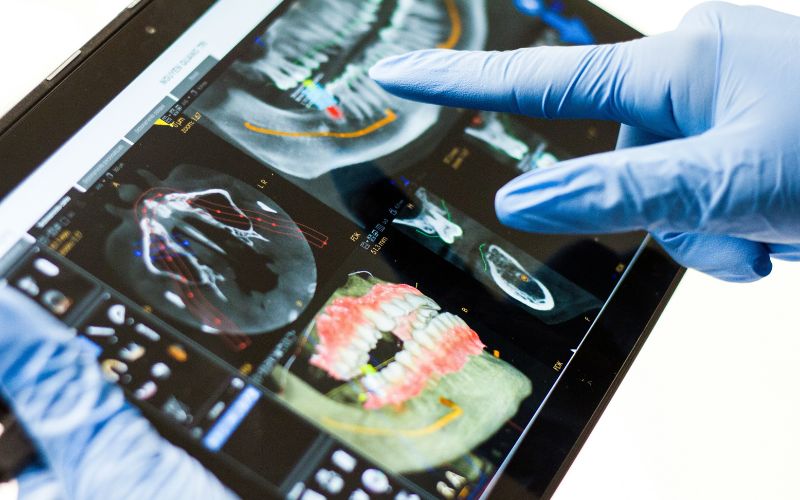
What services do pediatric dentist near me that accepts Medicaid provide? (Image by Unsplash)
Medicaid pediatric dental coverage is designed to be comprehensive. Below are the main categories of services typically included.
2.1 Preventive Care
Preventive dental care is the foundation of Medicaid’s coverage for children. These services help stop dental issues before they become serious or painful. Preventive care usually includes:
- Routine dental exams and checkups
- Teeth cleanings
- Fluoride treatments
- Dental sealants
- X-rays when medically necessary
Regular preventive visits also make it easier for parents to establish an ongoing relationship with a “pediatric dentist near me that accepts Medicaid”, ensuring continuity of care.
2.2 Basic Treatments
When dental problems do arise, Medicaid typically covers basic restorative treatments. These services focus on treating common dental issues early to avoid complications. Covered treatments often include:
- Fillings for cavities
- Tooth extractions when necessary
- Treatment for tooth decay
- Management of gum-related issues
These services of “pediatric dentist near me that accepts Medicaid” help children maintain healthy teeth and avoid pain or infections that could interfere with school and daily activities.
2.3 Medically Necessary Orthodontic Care
While cosmetic orthodontics are usually not covered, Medicaid may pay for orthodontic treatment if it is considered medically necessary. This often applies to cases where dental alignment issues affect a child’s ability to chew, speak, or maintain oral hygiene.
If a pediatric dentist determines that braces or other orthodontic treatment are medically required, Medicaid may approve coverage after a review process.
2.4 Emergency Dental Services
Dental emergencies can happen at any time, and Medicaid typically covers emergency dental care for children. This may include treatment for:
- Severe tooth pain
- Dental infections or abscesses
- Broken or knocked-out teeth
- Injuries to the mouth or jaw
Knowing that emergency services are covered can provide peace of mind for families relying on Medicaid.
2.5 Basic Treatments
Many families are surprised to learn that, besides “pediatric dentist near me that accepts Medicaid”, this program also benefits go beyond healthcare. Enrollment in Medicaid can also qualify you for free government phone programs. These programs help low-income households stay connected, which is especially important for scheduling dental appointments, receiving reminders, and contacting providers in emergencies.
Having a reliable phone can make it much easier to manage your child’s healthcare, including finding and communicating with a pediatric dentist near me that accepts Medicaid.
3. How To Get A Free Phone Based On A Medicaid Card?
If you or your child is enrolled in Medicaid, that enrollment can serve as a qualifying pathway for the Lifeline program, a federal assistance program designed to help low-income households lower the cost of phone or internet service.
Lifeline itself does not provide phones or devices. Instead, it allows eligible individuals to apply for discounted service through participating providers, which may offer devices, such as a free phone with Medicaid, options separately.
3.1 Step 1: Verify Eligibility
Before applying, you should first confirm that you qualify for the Lifeline program. Eligibility is typically based on either your household income or your enrollment in a recognized government assistance program.
Common qualifying programs include Medicaid, SNAP (Food Stamps), Supplemental Security Income (SSI), and Federal Public Housing Assistance.
To complete the eligibility check, applicants are usually required to provide the following documents:
- Verification of benefit enrollment, including an approval notice or benefits award letter
- Income documentation, which may consist of recent pay statements, tax records, or a Social Security income summary
- Select a service plan: Review the Lifeline plans available in your area and choose the option that best matches your communication needs.
- Choose a phone or use your own device: You may select a free or low-cost phone, or bring a compatible device by entering its IMEI through the Bring Your Own Device (BYOD) option.
3.3 Step 3: Enter Personal Information And Upload Documents If Required
At this stage, you will provide your personal information to complete the application. If required, you will also upload supporting documents such as proof of income or confirmation of participation in a qualifying assistance program.
If automatic verification is unsuccessful, the system may request additional documentation to confirm your eligibility.
4. Final Words
Searching for a pediatric dentist near me that accepts Medicaid doesn’t have to be stressful. Medicaid continues to provide strong dental coverage for children in most states, including preventive care, basic treatments, emergency services, and medically necessary orthodontics. Beyond dental benefits, Medicaid can also open the door to additional support, such as free government phone programs.
By using your Medicaid benefits fully in 2026, you can protect your child’s oral health while also taking advantage of valuable resources designed to support your family’s overall well-being.