

On This Page
Searching for physical therapy that takes Medicaid near me can feel frustrating, especially when you are recovering from surgery, injury, or managing chronic pain. While Medicaid does cover physical therapy in many cases, finding a clinic that accepts your specific plan and has availability often takes more than a quick online search.
Understanding how coverage works, what approvals are required, and how to secure an appointment faster can help you avoid unnecessary delays in care.
1. Does Medicaid Cover Physical Therapy?
Yes, Medicaid does cover physical therapy in most states, but only when it is considered medically necessary. This typically means the therapy must be prescribed by a licensed provider and aimed at improving, restoring, or maintaining physical function after injury, surgery, illness, or a chronic condition.
Coverage rules vary by state and by managed care plan. Some key factors that affect approval include:
- A formal referral or prescription from a doctor
- A documented medical condition that requires rehabilitation
- Treatment provided by a licensed physical therapist
- Compliance with session limits or visit caps
In many cases, Medicaid may approve an initial set of visits and then require prior authorization for continued therapy. Pediatric physical therapy is often covered more broadly under federal requirements for early and periodic screening and treatment.
Because policies differ across states, it is important to check your specific Medicaid plan details before scheduling appointments.
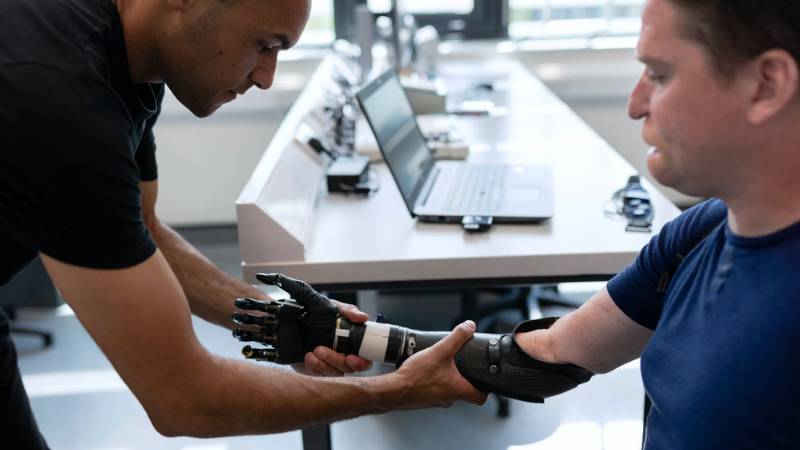
Medicaid covers physical therapy when it is medically necessary, prescribed by a provider, and delivered within state-specific rules such as referral requirements and visit limits. (Image by Unsplash)
2. Who Can Get Physical Therapy Covered by Medicaid?
Physical therapy covered by Medicaid is generally available to individuals who meet both medical and financial eligibility requirements. This includes:
- Adults recovering from surgery or injury
- Individuals with chronic conditions such as arthritis, stroke, or neurological disorders
- Children with developmental delays or mobility challenges
- Seniors needing rehabilitation to maintain independence
Eligibility is not based on diagnosis alone. Medicaid looks at whether therapy is necessary to improve function, prevent deterioration, or support recovery. For example, short-term rehabilitation after a knee replacement is commonly covered, while long-term therapy without measurable progress may require additional documentation.
If you are enrolled in a Medicaid managed care plan, you may also need to choose an in-network clinic and follow plan-specific authorization steps. Checking these details early can help prevent appointment cancellations or unexpected denials.
3. How Can I Find Physical Therapy Clinics That Take Medicaid Near Me?
If you are searching for physical therapy that takes Medicaid near me, location alone is not enough. The clinic must accept your specific Medicaid plan, not just “Medicaid” in general.
Here are the most reliable ways to find a provider:
Use Your Medicaid or Managed Care Directory
Log into your member portal or check your plan’s online provider directory. Filter by:
- Physical therapy or rehabilitation services
- Your ZIP code
- In-network providers
This is the safest way to confirm coverage before calling.
Call Clinics Directly
Even if a clinic appears in the directory, call to confirm:
- Do you accept my exact Medicaid plan?
- Are you accepting new Medicaid patients?
- Do you require prior authorization before scheduling?
Availability for Medicaid patients can be limited, so confirming by phone helps avoid delays.
Ask Your Primary Care Provider
Many physical therapy referrals come from primary care doctors or specialists. Their offices often know which local clinics consistently accept Medicaid and have appointment openings.
Check Hospital Outpatient Rehab Departments
Hospital-affiliated outpatient rehab centers are more likely to accept Medicaid compared to small private practices. Finding the right clinic often requires calling more than one location, especially in rural areas.
4. What You Need Before Scheduling Physical Therapy With Medicaid
Before booking your first appointment, make sure you have everything Medicaid requires. Missing one step can delay care.
- Doctor’s referral or prescription: Most states require a formal referral stating why physical therapy is medically necessary.
- Active medicaid coverage: Confirm your enrollment is current and that your plan has not changed.
- Prior authorization (If required): Some plans approve only a limited number of visits upfront. Additional sessions may require review.
- Medical records or imaging results: Therapists may request surgical notes, imaging reports, or treatment summaries to support authorization.
- Valid contact information: Clinics often call to confirm appointments, discuss authorization status, or notify you if paperwork is incomplete. If they cannot reach you, your slot may be given to another patient.
Preparing these details in advance makes it easier to secure an appointment and start therapy without unnecessary interruptions.
5. Common Issues When Looking for Physical Therapy That Takes Medicaid
Finding physical therapy that takes Medicaid near me can take longer than expected. Even when coverage exists on paper, real-world barriers often slow things down.
Limited Clinics Accepting Medicaid
Not every physical therapy practice participates in Medicaid. Some clinics cap the number of Medicaid patients they accept, while others only contract with specific managed care plans. This can mean calling multiple offices before finding one that confirms both acceptance and availability.
Prior Authorization Delays
Many Medicaid plans require approval before therapy begins. If the referral paperwork is incomplete or documentation does not clearly show medical necessity, authorization can be delayed or denied. This often adds days or even weeks before the first appointment is scheduled.
Long Waitlists for New Patients
Rehabilitation clinics that accept Medicaid often have high demand. It is common to encounter waitlists, especially for post-surgery therapy or chronic pain treatment. In some areas, the next available opening may be several weeks out.
»> Also read: Emergency Dentist That Accepts Medicaid for Adults: Who to Call When Pain Can’t Wait
6. Missed Calls Can Cost You a Physical Therapy Slot
One of the most overlooked problems is simple communication. Clinics routinely call to:
- Confirm appointment times
- Request missing referral documents
- Update you on authorization approval
- Offer earlier openings when cancellations occur
If you miss those calls, your appointment can be reassigned to another patient. In high-demand clinics, providers may move quickly to fill open slots.
Because Medicaid enrollment qualifies many individuals for the federal Lifeline program, eligible members may also receive support for phone service. Lifeline helps low-income households maintain reliable communication through participating providers.
- Access to a smartphone, where available
- Monthly talk, text, and data
- No long-term contracts
- No recurring monthly bills
For patients coordinating referrals, prior authorization updates, and therapy scheduling, consistent phone access helps reduce missed opportunities and avoid unnecessary delays.
Conclusion
Finding physical therapy that takes Medicaid near you often involves more than searching online. Confirming plan acceptance, securing prior authorization, and staying reachable for appointment updates all play a role in starting treatment on time. Preparing ahead and maintaining reliable communication can make the difference between waiting weeks and getting the care you need when you need it.
Related SenGov Guides
- Medicaid Physical Therapy Near Me: How to Find Covered Care and Avoid Common Delays in 2026
- Breast Reduction Doctors That Accept Medicaid Near Me: How to Get Approved and Find Real Appointments
- Chiropractor That Takes Medicaid Near Me: Strategies to Find the Right Clinic Fast
- Dermatologist That Accepts Medicaid: How to Find Approved Skin Doctors Near You Fast