
On This Page
As more phones support digital activation, many users begin asking one simple question: “should I convert to eSIM” or keep using a traditional SIM card?
The answer depends on your phone, your carrier, and how you normally use mobile service. For some users, eSIM adds convenience and flexibility. For others, a physical SIM may still feel easier to manage.
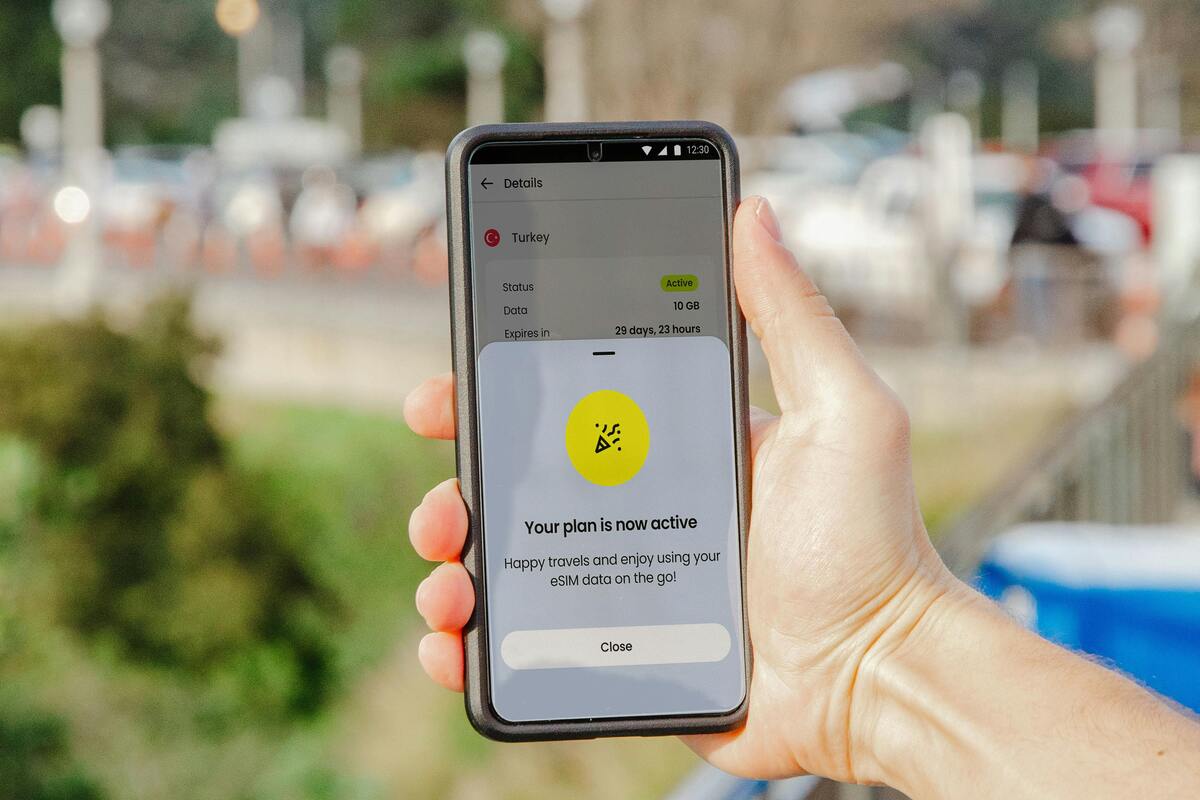
Before deciding, it helps to understand what converting actually means. Converting to eSIM means replacing your removable plastic SIM card with a digital SIM profile installed directly on your phone. Instead of inserting a card, your carrier activates service electronically.
That usually happens through:
- A QR code
- Carrier app activation
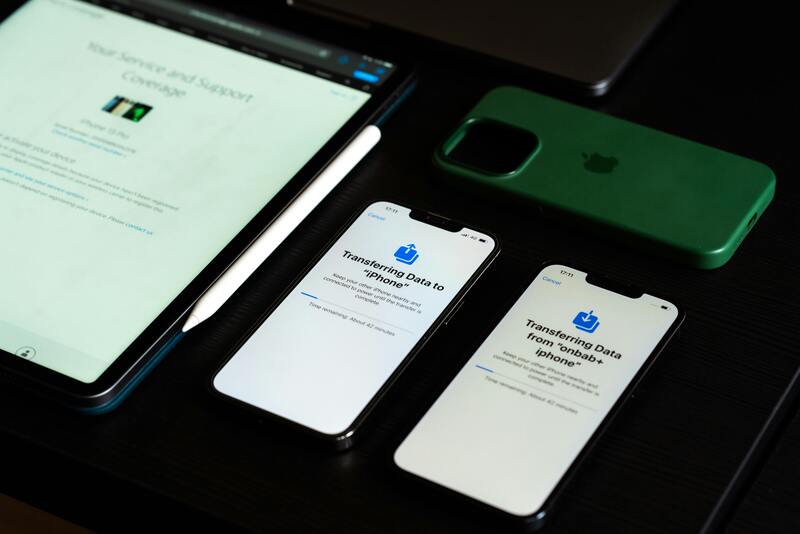
- Direct transfer from another device
- Online account setup
Your phone number and service plan can often keep the same. Only the way your line is stored changes.
1. eSIM vs Physical SIM – A Practical Comparison
Before deciding should I convert to eSIM, it helps to compare both options in real-world use.
| Feature | eSIM | Physical SIM |
|---|---|---|
| Setup Method | Digital activation | Insert SIM card |
| Switching Lines | Often easier on supported phones | Requires swapping cards |
| Dual SIM Use | Common on newer phones | Depends on slot design |
| Travel Use | Easy with digital plans | Buy local SIM card |
| Device Transfer | May require reactivation | Move SIM manually |
| Damage / Loss Risk | No removable card to lose | Card can be lost or damaged |
| Compatibility | Newer devices only | Broad device support |
In daily use, eSIM is often more convenient for supported phones. Physical SIM still remains practical for older devices or users who regularly move service between phones.
That is why should I convert to eSIM depends more on your habits than on one option being universally better.
2. Should I Convert to eSIM?
For many modern smartphone users, the answer can be yes, especially if your phone already supports eSIM and you want simpler digital setup.
Is It Advisable to Convert to eSIM?
In many situations, yes. eSIM can be a smart move when you want:
- Faster activation without waiting for a SIM card
- Cleaner device setup with no tray changes
- Easier access to dual-line features
- Simpler travel plan activation
- Less chance of losing or damaging a SIM card
However, it may not be the best time to convert if you frequently switch your number between multiple older phones or if your current device does not fully support eSIM.
A practical way to answer “should I convert to eSIM” is to ask whether convenience on your current phone matters more than the flexibility of moving a physical SIM card.
When Converting Makes Sense
Converting is often a strong option if:
- You use a newer iPhone or Android flagship
- You plan to keep the same phone for a while
- You want to add a second line
- You prefer digital account management
When Waiting May Be Better
Staying with a physical SIM may still be smarter if:
- Your device is older
- You regularly swap phones
- Your carrier support is limited
- You prefer simple removable hardware
Final Thoughts
So, should I convert to eSIM? If you use a modern phone, value convenience, and want easier digital setup, converting can be a practical upgrade. eSIM is already mainstream across many current iPhones and Android devices, and more carriers continue expanding support.
If you rely on older devices or frequently move your line between phones, remaining with a physical SIM may still fit your needs better.
The smartest answer is not what is newest, it is what works best for how you actually use your phone.