
On This Page
The way people buy phones has changed dramatically over the last few years. Instead of signing long-term carrier contracts or paying expensive monthly installments, many consumers are now seeking a SIM free smartphone for flexibility and control.
This guide explains everything you need to know about buying a SIM free smartphone, and common mistakes to avoid.
1. SIM Free Smartphone Explained
A SIM free smartphone gives users the freedom to decide how they want to use their mobile device instead of being locked into a carrier’s ecosystem from day one.
This approach has become increasingly popular as consumers grow tired of rigid contracts and rising monthly bills. With many SIM free smartphones, users can switch carriers more easily, explore prepaid plans, or even use local SIM cards while traveling internationally.
The rise of eSIM technology has also accelerated interest in the smartphone SIM free market. Many modern devices now allow users to activate wireless plans digitally, making it simpler than ever to move between providers without visiting a physical store or replacing a SIM card manually.
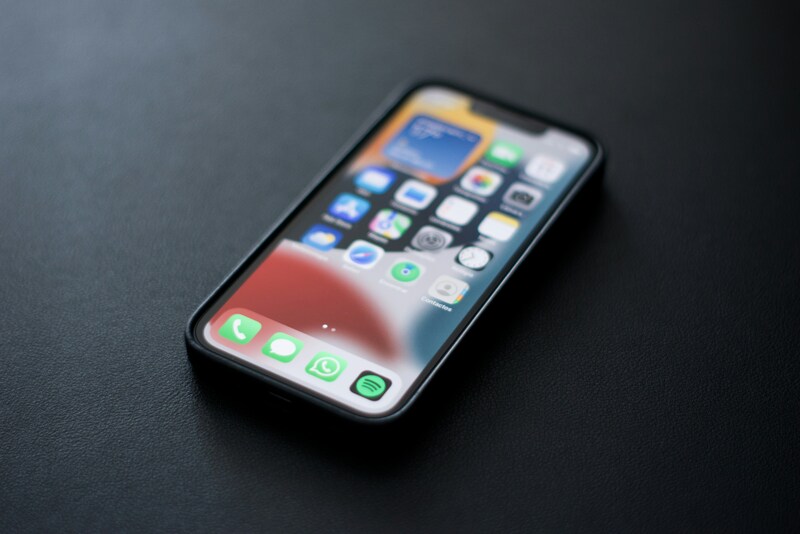
SIM free smartphone explained (Image by Unsplash)
Unlocked phones can be particularly useful for travelers and consumers who want greater freedom in choosing mobile service providers.
Still, buyers should not assume every low-cost phone works the same way. Some smartphones sold through discount programs or wireless providers may appear similar to sim free smartphones, but are actually locked to a specific network for a certain period of time.
2. Who Should (and Shouldn’t) Buy a SIM Free Smartphone?
For travelers, freelancers, students, and people who frequently change locations, a SIM free smartphone often makes excellent sense.
International travelers especially appreciate the ability to use local SIM cards abroad instead of paying expensive roaming charges. Remote workers and digital nomads also benefit from carrier flexibility because they can adapt their plans as needed.
Consumers looking for lower monthly costs also tend to prefer SIM free smartphones. Because the device is purchased separately from the service plan, users can often choose cheaper prepaid providers or smaller carriers that better fit their budget.
Tech-savvy consumers who like upgrading devices regularly also benefit from owning a SIM free smartphone. They can sell or replace devices more easily without dealing with contract restrictions or financing obligations.
However, not everyone needs a fully unlocked phone.
People who are not comfortable comparing network compatibility or managing prepaid plans may also prefer traditional carrier-supported options. While a SIM free smartphone offers freedom, it also requires buyers to research compatibility and service plans carefully.
Ultimately, the best choice depends on personal priorities, financial goals, and how much flexibility matters in daily life.
3. Getting a Free Smartphone Paired With Free Monthly Data
Many people searching for a SIM free smartphone are mainly trying to avoid high upfront costs. What they often do not realize is that there are programs designed specifically to help eligible consumers stay connected without having to spend hundreds of dollars on a new device.
Qualifying users may receive a heavily discounted or free smartphone along with monthly talk, text, and data benefits at little to no cost.
Eligibility is usually based on income level at or below 135% of the Federal Poverty Guidelines or participation in assistance programs such as Medicaid, SNAP, SSI, Veterans Pension benefits, or other qualifying federal programs.
However, for many users, affordability matters more than carrier-switching flexibility. Someone primarily using their phone for calls, messaging, school access, job applications, navigation, or social media may care more about reducing monthly costs immediately.
4. Mistakes People Make When Buying SIM Free Smartphones
Although a SIM free smartphone offers flexibility and freedom, many consumers still make costly mistakes during the buying process.
Assuming all phones work on all networks
In reality, phones support different wireless bands and technologies. A device purchased internationally may not fully support all U.S. network frequencies. This can lead to weaker coverage, slower speeds, or complete incompatibility.
Before purchasing SIM free smartphones, buyers should always verify compatibility with their preferred carrier.
Buying “cheap” but incompatible devices
Many shoppers focus only on price when searching for a SIM free smartphone. While saving money matters, extremely cheap devices sometimes create bigger problems later.
Some low-cost phones lack software support, have poor battery performance, or use outdated hardware that struggles with modern apps. Others may not support important network bands in certain regions.
A slightly more expensive but reliable SIM free smartphone often delivers much better long-term value.
Overpaying when free options exist
Another major mistake is assuming everyone must purchase expensive unlocked devices outright.
5. Quick Answers (FAQs People Actually Search)
What is a SIM free smartphone?
A SIM free smartphone is a device sold without being tied to a specific mobile carrier contract. Users can usually choose their own compatible SIM card and service provider.
Are SIM free smartphones better than locked phones?
It depends on your priorities. SIM free smartphones offer greater flexibility and carrier freedom, while locked phones may provide lower upfront costs through wireless programs or financing deals.
Can I use any SIM with a smartphone SIM free?
In many cases, yes. A smartphone SIM free is typically compatible with multiple carriers if the network bands are supported. However, compatibility should always be verified before purchasing.
Are SIM free smartphones cheaper?
Not always upfront. Some SIM free smartphones cost more initially because users purchase the device outright. However, they may reduce long-term monthly expenses by allowing access to cheaper prepaid plans.
Final Take: Is a SIM Free Smartphone Worth It?
For many modern consumers, a SIM free smartphone offers greater flexibility, freedom, and long-term financial control than traditional carrier contracts. Users can switch providers more easily, compare wireless plans, and avoid restrictive financing agreements.