
On This Page
Navigating housing options can be challenging for individuals with disabilities, and social security disability housing assistance plays a key role in providing safe, affordable living solutions. This program helps eligible recipients access housing support, including rental subsidies and specialized accommodations, ensuring stability and independence. Understanding how to qualify and apply can make a significant difference in securing suitable housing.
1. Does Social Security Provide Housing Assistance?
No, the Social Security Administration (SSA) does not offer direct housing assistance. While SSA provides financial support through programs like Social Security Disability Insurance (SSDI) or Supplemental Security Income (SSI), recipients must use these funds to cover housing and other living expenses independently.
However, these benefits can help individuals qualify for federal, state, or local housing programs that offer rental subsidies, affordable housing, or specialized accommodations. Understanding this distinction is essential for planning and accessing the appropriate social security disability housing assistance.
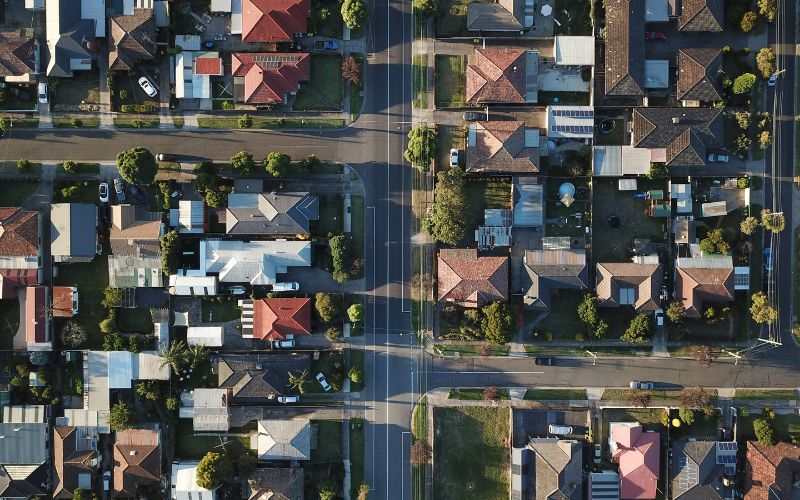
Is there Social Security Disability housing assistance? (Image by Unsplash)
*»> Also read: *Free Government Phone for Homeless: Get One at $0
2. Social Security Disability Housing Assistance Programs for SSI and SSDI Recipients
Individuals receiving SSI or SSDI may struggle to afford housing, but several programs provide support to help cover rent and offer stable living options. These initiatives are part of broader housing assistance for social security disability.
Section 8 Housing Choice Voucher (HCV) Program
The Section 8 Housing Choice Voucher Program helps eligible individuals pay for rent in private housing, making it one of the most flexible forms of social security disability housing assistance NC. Participants typically pay around 30% of their income toward rent, while the voucher covers the remainder. This program allows recipients to choose their own home in the private market, giving them more control over location and living environment.
To qualify, applicants must meet income limits and apply through their local Public Housing Agency, and due to high demand, waitlists are often long. Section 8 vouchers provide a reliable way for SSI and SSDI recipients to access safe, affordable housing.
HUD’s Public Housing Program
HUD’s Public Housing program provides government-owned units with rent based on income, giving individuals with disabilities an affordable alternative to the private rental market. Applicants pay a portion of their monthly income, usually about 30%, toward rent, while the local housing authority manages the property and maintains the units.
Public housing is ideal for those who prefer a set residence and often includes priority placement for individuals with disabilities or families in high-need situations. While it may limit housing choices compared to Section 8, it ensures predictable rent and long-term stability for SSI and SSDI recipients seeking secure living arrangements.
Section 811 Supportive Housing for Disabilities
The Section 811 Supportive Housing program offers dedicated housing for very low-income adults with disabilities, combining affordable rent with access to voluntary supportive services. Residents pay rent based on income, typically not exceeding 30%, while developers receive funding to build or subsidize units specifically designed for people with disabilities.
Supportive services may include case management, healthcare coordination, and assistance with daily living, helping recipients live independently within the community. This program is especially valuable for SSI and SSDI recipients who require additional support to maintain stable housing, making it a critical part of the social security disability housing assistance in the NC landscape.
3. How Long Does It Take to Get Housing Assistance?
Securing housing assistance, such as Section 8 or public housing, can be a lengthy process due to high demand and limited availability. Waiting lists often stretch for several years, with many applicants experiencing wait times of two to five years or more before receiving assistance. This also depends on location and availability.
Factors such as local housing authority policies, funding levels, and the applicant’s priority status can influence how quickly a placement becomes available. For individuals receiving SSI or SSDI, understanding these timelines is important for planning, and exploring alternative resources can help while waiting for social security disability housing assistance to become available.
4. Staying Connected While Navigating Housing Assistance
Staying connected is essential for individuals navigating housing assistance, and the Lifeline Program helps ensure access to affordable communication services. Lifeline is a federal assistance program that supports eligible low-income households with discounted phone and internet service, which is especially important when coordinating with housing authorities or support agencies.
- Check your eligibility based on FPHA, SSI, or income guidelines, and prepare supporting documents
- Choose a plan and device (if eligible) that fits your needs, including SIM card or eSIM options
- Complete the online application with your personal and eligibility information
- Upload documents if required to verify your qualification
- Review and submit your application to avoid delays
- Wait for approval and delivery, then receive your device and SIM/eSIM (typically within 7-10 business days)
- Activate your service and start using your plan to stay connected with essential services
Final Words
Accessing affordable and supportive housing can be challenging for individuals receiving SSI or SSDI, but programs like Section 8, public housing, and Section 811 offer crucial help. Understanding eligibility and planning ahead can make the wait for social security disability housing assistance more manageable.