
On This Page
Healthcare coverage can be difficult to access for individuals and families with limited income. Medicaid helps fill this gap by providing government-supported health insurance for people who meet certain financial and residency requirements. In South Dakota, recent policy changes expanded access to coverage for more adults who previously did not qualify.
Understanding South Dakota Medicaid eligibility helps residents determine whether they may qualify for healthcare assistance under the state’s expansion rules. The following guide explains who can qualify, the income thresholds used for eligibility decisions, the key Medicaid programs available in South Dakota, and the steps required to apply for coverage.
1. Who Qualifies Under South Dakota Medicaid Eligibility Rules?
Several groups of residents may qualify for Medicaid coverage depending on their income, household situation, age, and health needs. Understanding these categories can help applicants determine whether they meet the requirements for South Dakota Medicaid eligibility and qualify for healthcare coverage in the state.

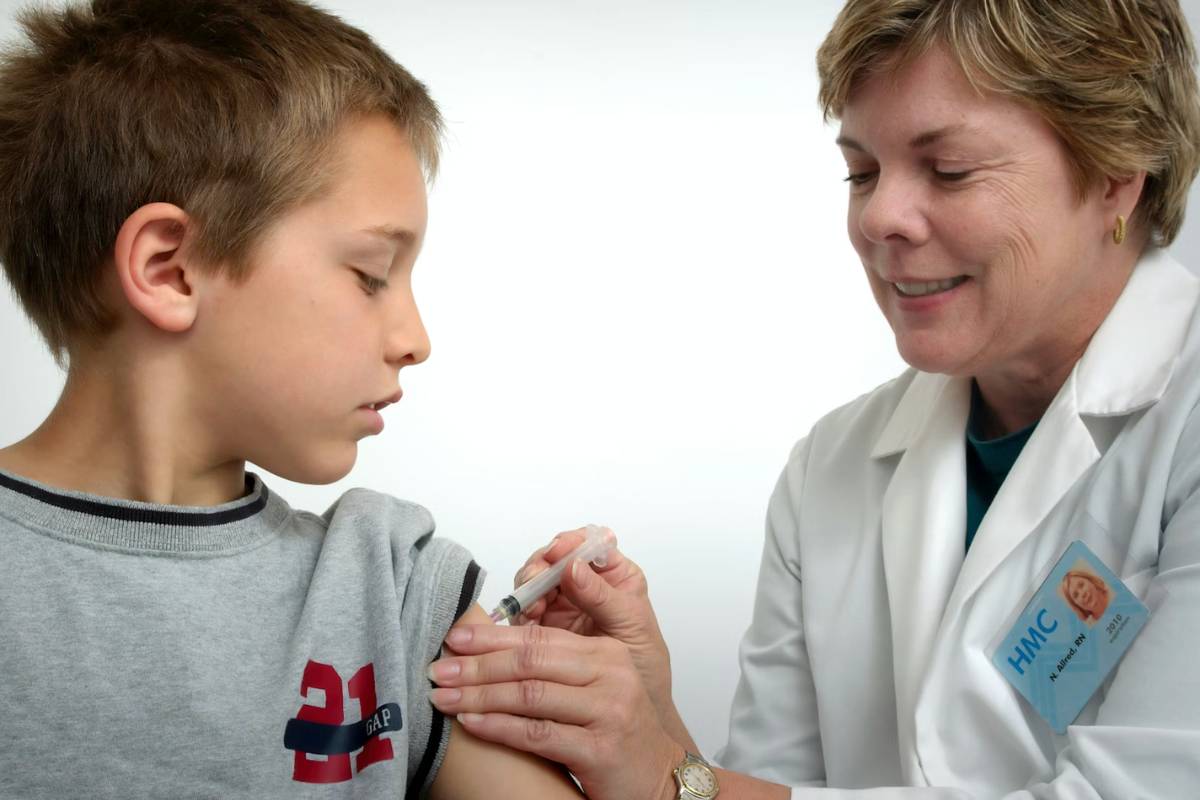
South Dakota Medicaid eligibility covers low-income adults, including those under expansion rules, based on income, age, residency, and household situation. (Image by Unsplash)
Adults With Limited Income (Medicaid Expansion)
South Dakota expanded Medicaid coverage in 2023, allowing more adults to qualify for healthcare assistance based primarily on income. Under this expansion, adults ages 19 through 64 may qualify if their income falls within the allowed limits and they meet basic residency and citizenship requirements.
Unlike earlier eligibility rules, adults without dependent children can now qualify if their income is low enough. This change significantly increased access to healthcare coverage for working adults who previously did not qualify for traditional Medicaid categories.
Children and Families
Children may qualify for Medicaid coverage if their household income falls within the state’s limits for family-based programs. Medicaid coverage for children typically includes doctor visits, hospital care, vaccinations, and preventive services.
Parents or caregivers living with eligible children may also qualify, depending on the family’s income level.
Pregnant Women
Pregnant women may qualify for Medicaid if their income meets the state’s eligibility guidelines. Coverage usually includes prenatal care, doctor visits, lab tests, hospital delivery services, and postpartum care.
These benefits are designed to support both maternal health and early childhood health.
Older Adults and Individuals With Disabilities
Medicaid also serves residents who are age 65 or older, as well as individuals living with disabilities who meet financial eligibility requirements. These programs may provide coverage for long-term care services, nursing facility care, or in-home support services.
For these categories, eligibility may depend on both income and asset limits, as well as medical need.
General Requirements
Regardless of the category, applicants generally must meet several basic conditions:
- Be a resident of South Dakota
- Be a U.S. citizen or qualified non-citizen
- Meet the income limits set by the state
- Belong to an eligible coverage group such as children, pregnant women, low-income adults, seniors, or individuals with disabilities
Meeting these conditions helps determine whether an applicant can receive Medicaid healthcare coverage in South Dakota.
2. Income Limits for South Dakota Medicaid Eligibility
Income is one of the most important factors used to determine whether a person qualifies for Medicaid coverage. South Dakota uses income guidelines based on the Federal Poverty Level (FPL) to decide who may receive benefits.
Adults Under Medicaid Expansion
Under the state’s Medicaid expansion rules, most adults between ages 19 and 64 may qualify if their income is at or below 138% of the Federal Poverty Level.
The exact income limit depends on household size because Medicaid considers the total income of the people living in the household.
Approximate monthly income limits for expansion Medicaid may include:
- 1-person household: about $1,835 per month
- 2-person household: about $2,488 per month
- 3-person household: about $3,142 per month
- 4-person household: about $3,795 per month
These limits are adjusted periodically when federal poverty guidelines are updated.
Children and Family Programs
Children may qualify under higher income limits compared with adults. Medicaid and related programs often allow coverage for children in households earning well above the adult expansion threshold.
This helps ensure that children in moderate-income families can still access healthcare services.
Programs for Seniors and Individuals With Disabilities
Certain Medicaid programs serving seniors or people with disabilities may apply both income and asset limits. These programs support long-term care services such as nursing facility care or in-home assistance.
For some long-term care programs, applicants must demonstrate financial need as well as medical eligibility.
No Asset Test for Expansion Adults
Adults qualifying through Medicaid expansion are typically evaluated based on income only. Unlike some other Medicaid categories, these applicants are not required to meet asset limits, which simplifies the eligibility process for many working adults.
Understanding these income thresholds helps applicants determine whether they may qualify for Medicaid coverage in South Dakota before beginning the application process.
»> Also read: South Dakota EBT Application 2025 – Apply Online, Income Guidelines & Monthly SNAP Benefits
3. Specific South Dakota Medicaid Programs
In addition to standard healthcare coverage, several specialized services are available for individuals who meet South Dakota Medicaid eligibility requirements. These programs are designed to support residents who need long-term care or assistance with daily living while allowing them to remain in their homes or communities whenever possible.
Personal Care Services
Personal Care Services provide support for individuals who need help with everyday activities due to age, illness, or disability. Instead of requiring full-time institutional care, this program allows eligible participants to receive assistance while continuing to live at home.
Services may include help with:
- Bathing and personal hygiene
- Dressing and grooming
- Meal preparation
- Mobility and transferring assistance
- Basic household tasks related to personal care
These services are typically provided by trained caregivers and are designed to support individuals who need regular assistance but do not require full nursing home care.
HOPE (Home and Community-Based Options and Person-Centered Excellence) Waiver
The HOPE Waiver is a Home and Community-Based Services (HCBS) program that helps eligible residents receive long-term care services outside of institutional settings.
This program supports individuals who might otherwise require nursing facility care but prefer to remain in their homes or communities.
Services available through the HOPE Waiver may include:
- In-home personal care services
- Home health assistance
- Adult day care programs
- Care coordination and case management
- Support for independent living
The goal of this program is to provide person-centered care that allows individuals to maintain independence while receiving necessary support.
Money Follows the Person (MFP)
The Money Follows the Person (MFP) program helps individuals transition from institutional care settings back into community living.
This program is designed for people who have been living in places such as nursing homes or long-term care facilities and want to move back into their homes or community-based housing.
Support provided through the program may include:
- Assistance transitioning from a nursing facility
- Housing support and relocation services
- Community living services
- Coordination of healthcare and long-term care services
By helping people move back into community settings, the MFP program aims to improve independence and quality of life.
4. How to Apply for Medicaid in South Dakota
Residents who believe they may qualify for healthcare assistance can begin the application process once they understand the requirements for South Dakota Medicaid eligibility. The state allows applicants to apply through several methods, and each application requires providing personal information, financial details, and documentation that confirms eligibility.
Apply Online
The most common way to apply is through the South Dakota Department of Social Services online application system.
Online applications allow residents to:
- Complete the application electronically
- Upload required documents
- Track the status of their application
Applying online is often the fastest and most convenient method.
Apply in Person
Applicants may also apply in person by visiting a local Department of Social Services office. Staff members can help answer questions, review eligibility requirements, and assist with completing the application.
This option may be helpful for individuals who need assistance understanding the process or gathering documentation.
Documents Needed
Applicants usually need to provide several documents during the application process, including:
- Proof of identity (driver’s license or state ID)
- Social Security numbers for household members
- Proof of South Dakota residency
- Proof of income, such as pay stubs, benefit letters, or tax documents
- Information about household members and expenses
Providing complete and accurate documentation can help prevent delays in the eligibility review process.
Processing Timeline
After submitting an application, the state reviews the information to determine eligibility. Processing times may vary depending on the program and the completeness of the application.
In many cases, applicants may receive a decision within several weeks, though applications requiring additional verification or documentation may take longer to review.
5. Common Reasons Applications Are Denied in South Dakota
Even when applicants believe they qualify, some Medicaid applications may still be denied if certain eligibility conditions are not met or if the information provided is incomplete. Understanding the most common reasons applications are denied can help residents better prepare and improve their chances of meeting South Dakota Medicaid eligibility requirements.
One frequent reason for denial is income exceeding the program limits. Medicaid programs use income thresholds based on household size and federal poverty guidelines. If reported income is above the allowed limit, the application may not qualify under the state’s eligibility rules.
Another common issue is missing or incomplete documentation. During the application process, applicants must provide verification for identity, residency, and income. If required documents such as pay stubs, identification, or Social Security information are not submitted, the application review may be delayed or denied.
Applications may also be denied when residency requirements are not met. Medicaid programs are administered at the state level, which means applicants must prove they live in South Dakota to receive coverage through the state program.
For certain categories, asset limits or medical eligibility requirements may also affect the decision. Programs designed for seniors or individuals requiring long-term care may evaluate both financial resources and medical needs before approval.
If an application is denied, applicants can often appeal the decision or reapply after correcting the issues identified during the review process.
6. Additional Benefits That Medicaid Eligibility May Unlock
Meeting South Dakota Medicaid eligibility requirements can sometimes open the door to other assistance programs that support communication, healthcare access, and everyday services for low-income households.
One example is theLifeline program, a federal assistance program designed to help eligible individuals reduce the cost of phone or internet service. Participation in Medicaid is one of the qualifying conditions that can make households eligible for Lifeline benefits.
- Monthly talk, text, and data service
- Access to free or discounted devices such as tablets, smartphones, smartwatches, etc.
- International calling features that help users stay connected with friends or family abroad
- Call management features such as Caller ID, Call Waiting, and Voicemail
For individuals who rely on Medicaid for healthcare coverage, having access to reliable mobile communication can be especially important. Mobile service makes it easier to schedule medical appointments, receive healthcare reminders, communicate with caregivers, and stay connected during emergencies.
Conclusion
Understanding South Dakota Medicaid eligibility can help residents determine whether they qualify for healthcare assistance under the state’s expanded Medicaid rules.
By reviewing the qualifying groups, income limits, and available programs, applicants can better evaluate their eligibility before beginning the application process. Taking the time to prepare the required documents and understand the approval requirements can make applying for coverage in South Dakota more straightforward.
Related SenGov Guides
- Medicaid SC Explained 2026: Eligibility and How South Carolina Residents Get Covered
- Do Dialysis Patients Qualify for Medicaid? Eligibility and Benefits Explained
- Does Medicaid Cover Birth Control in 2026? Covered Methods, Rules, and Eligibility Explained
- Idaho Medicaid Expansion 2026: Why Thousands of Adults Now Qualify for Coverage