

On This Page
School meal programs may not always be available during summer break, which can create additional food costs for households with children. Summer EBT helps eligible families receive extra grocery benefits during the summer months so children can continue accessing nutritious meals outside the school year.
1. Overview of Summer EBT? Who May Qualify for
Summer EBT is a seasonal food assistance program that helps eligible families buy groceries for school-age children during summer vacation when regular school meals may not be available.
Benefits are typically provided through an EBT card that can be used at approved grocery stores and participating retailers for eligible food purchases.
Families searching for when does Summer EBT start are often trying to prepare for benefit distribution schedules before summer break begins, although timing may vary depending on the state.
Summer grocery assistance may help households manage additional food costs while children are home from school. Eligibility is commonly connected to participation in qualifying assistance programs or household income requirements.
Children who may commonly qualify for Summer EBT include:
- Children living in households receiving SNAP benefits
- Children connected to TANF assistance programs
- Children participating in FDPIR programs
- Children in households receiving qualifying Medicaid benefits in participating states
- Families who apply and meet Summer EBT income guidelines
- Households earning below 185% of the federal poverty limit
- Eligible children identified through participating school meal programs
2. Why Summer EBT Matters for Many Families?
Summer break can sometimes increase grocery expenses for households that normally rely on school meal programs during the academic year. Additional food assistance during these months may help families maintain more stable meal planning and reduce financial pressure connected to daily grocery costs.
Key reasons why Summer EBT is important for many families include:
- Helps cover extra grocery costs while children are home from school
- Supports access to healthier meals and nutritious food options during the summer months
- Reduces financial pressure caused by rising food and household expenses
- Helps families continue purchasing important grocery essentials more consistently
- Provides additional support for households already participating in SNAP or other assistance programs
3. When Will Summer EBT Benefits Be Available 2026?
Benefit schedules for Summer EBT can vary depending on the state, application status, and how benefits are distributed to eligible households. Families searching for information about when will Summer EBT be issued are often trying to prepare for summer grocery expenses before school meal programs pause for the season.
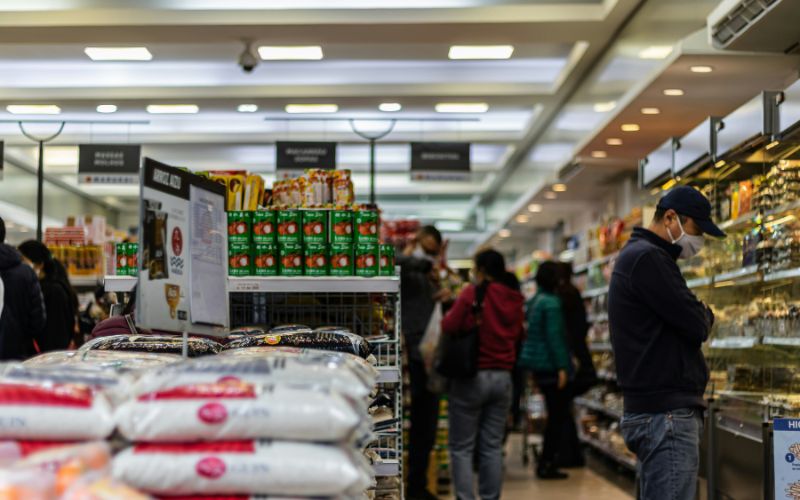
The estimated timeline of Summer EBT for each state. (Image by Unsplash)
| State | Expected 2026 Summer EBT Timeline |
|---|---|
| Alabama | June 2026 |
| Arizona | Early June 2026 |
| Arkansas | May 2026 |
| California | May/June 2026 |
| Colorado | May 2026 |
| Connecticut | Late June 2026 |
| Delaware | Late May 2026 |
| District of Columbia | June 11, 2026 |
| Hawaii | May 2026 |
| Illinois | May 19, 2026 |
| Iowa | Not yet announced |
| Kansas | Not yet announced |
| Kentucky | May 19, 2026 |
| Louisiana | Mid May 2026 |
| Maine | June 15, 2026 |
| Maryland | June 2026 |
| Massachusetts | Early June 2026 |
| Michigan | June 2026 |
| Minnesota | May/June 2026 |
| Missouri | Not yet announced |
| Montana | Not yet announced |
| Nebraska | Not yet announced |
| Nevada | Not yet announced |
| New Hampshire | Not yet announced |
| New Jersey | June/July 2026 |
| New Mexico | June 15, 2026 |
| New York | On or after June 16, 2026 |
| Ohio | May/June 2026 |
| Oregon | May/June 2026 |
| Pennsylvania | May/June 2026 |
| Rhode Island | May/June 2026 |
| Utah | May/June 2026 |
| Vermont | May/June 2026 |
| Virginia | May/June 2026 |
| West Virginia | May/June 2026 |
4. How Much Is Summer EBT?
Summer EBT, also called SUN Bucks in some states, generally provides a one-time grocery benefit of $120 for each eligible school-aged child.
Benefits are usually added to an Electronic Benefits Transfer (EBT) card that families can use at approved grocery stores, supermarkets, farmers’ markets, and participating food retailers during the summer months.
The program is designed to help households manage additional grocery expenses while children are home from school and regular school meal access may be limited.
Eligible families may use Summer EBT benefits to purchase approved food items such as fruits, vegetables, dairy products, bread, cereal, meat, frozen foods, and other everyday grocery essentials needed for household meals.
5. Frequently Asked Questions About Summer EBT
Summer grocery assistance programs can sometimes create questions about where benefits work, how accounts are managed, and how long funds remain available. Knowing the basic rules ahead of time may help families use Summer EBT benefits more confidently throughout the school break period.
Where can Summer EBT benefits be used?
Summer EBT benefits are generally accepted at approved grocery stores, supermarkets, convenience stores, farmers’ markets, and select online retailers that process EBT payments.
Eligible households may use benefits to purchase approved grocery products such as fruits, vegetables, dairy items, bread, cereal, meat, frozen foods, and other qualifying food products.
Why do many Summer EBT households manage benefits digitally?
Digital account tools may help families check balances, monitor transactions, review deposits, and track grocery spending more conveniently. Mobile apps and online EBT portals can also make it easier for households to manage account security, review benefit activity, and receive account notifications without contacting customer service.
Can Summer EBT benefits expire?
Summer EBT benefits may expire if funds remain unused for extended periods of time, although expiration timelines can vary depending on state program rules. Families are generally encouraged to use benefits regularly and monitor account notices carefully to avoid losing unused grocery assistance funds.
6. Final Words
Extra grocery assistance during school vacation periods can help families manage rising food costs while children remain at home throughout the summer months. Summer EBT may support eligible households with additional grocery purchasing power, helping improve access to nutritious meals and everyday food essentials outside the regular school year.